
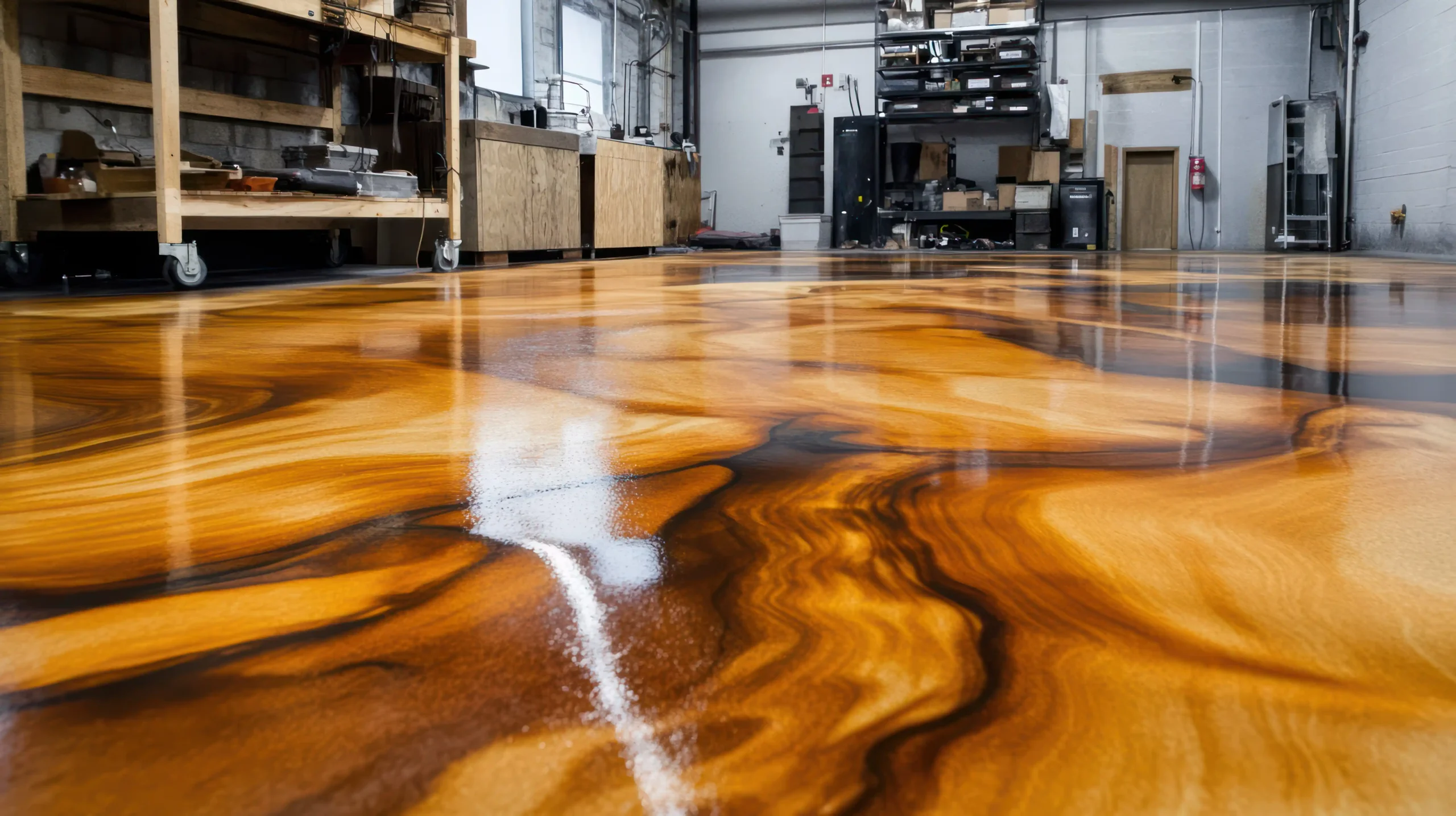
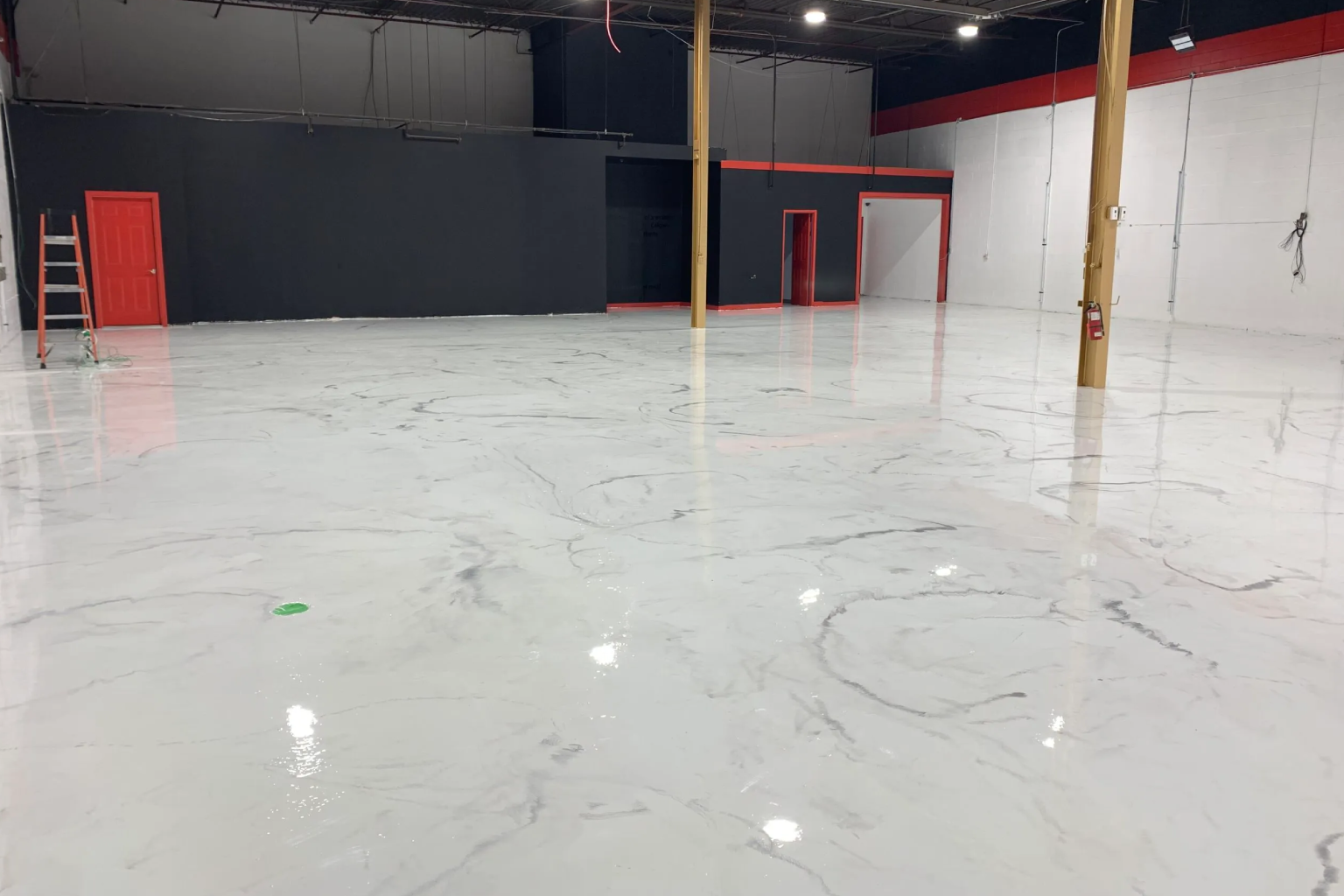

A plain concrete floor can be made to look less dull. When stained properly, it can turn out to be very fashionable and attract a lot of attention. For this reason, more and more homeowners have started to stain instead of covering their floors.
Durable and long-lasting stained concrete floors are being used by a large number of homeowners today instead of being covered up. The process of staining does not hide the original color of the floor; it only adds color and depth to it. Even a plain floor can appear contemporary and neat if it is stained.
However, the cost is not always simple. Two homes with the same-sized floor can be billed differently. Concrete condition, design, and finish are some of the factors that affect the final price. This is the reason many people get confused when they ask about the cost of stained concrete floors.
This guide helps you understand how much cost to stain a concrete floor without confusion. It tells you where the money goes and why the price changes. By the time you finish this, you will be able to know what you are paying for and how to plan your budget and be confident.
The Basic Cost for Staining Concrete Floors
The base price layer serves as the foundation for your concrete staining project. The minimum price for a contractor to do a simple and functional stain job is the base price. It does not cover decorative upgrades or additional surface work. Cleansing this layer gives you a better view of the pricing starting point and prevents any later surprises.
Starting Cost for Concrete Floor Staining
The main aim of the entry-level staining is to provide a basic transformation, not to add beauty. This process usually consists of the application of just one stain color smoothly all over the floor. The finish is quite simple but still smooth. No patterns, borders, or layered effects.
In most cases, the average price ranges from $2 to $4 per square foot. This option would be suitable for basements, garages, or low-traffic rooms. It gives a clean and fresh appearance without a big raise in the budget.
What contractors include in the starting quote
A basic estimate usually includes a light surface cleaning. This will get rid of dust, dirt, and tiny particles. The contractor also puts on one coat of stain plus a standard sealer for protection. Labor and the usual drying time are included in the price as well.
On average, this basic package falls between $300 and $800 for small rooms, depending on size and location. Repairs, grinding, and moisture treatments are not included.
Understanding the Cost of Stained Concrete Floors
The base layer reveals the minimum possible cost for a stained concrete floor. It indicates a simple and uncomplicated job with minimal preparation. After you have the baseline price, you can more accurately determine how much the enhancements will increase your total.
If you are aware of the cost of stained concrete floors at this level, you will find it easier to budget and make the right choices that suit your needs.
Why Floor Condition Changes the Price
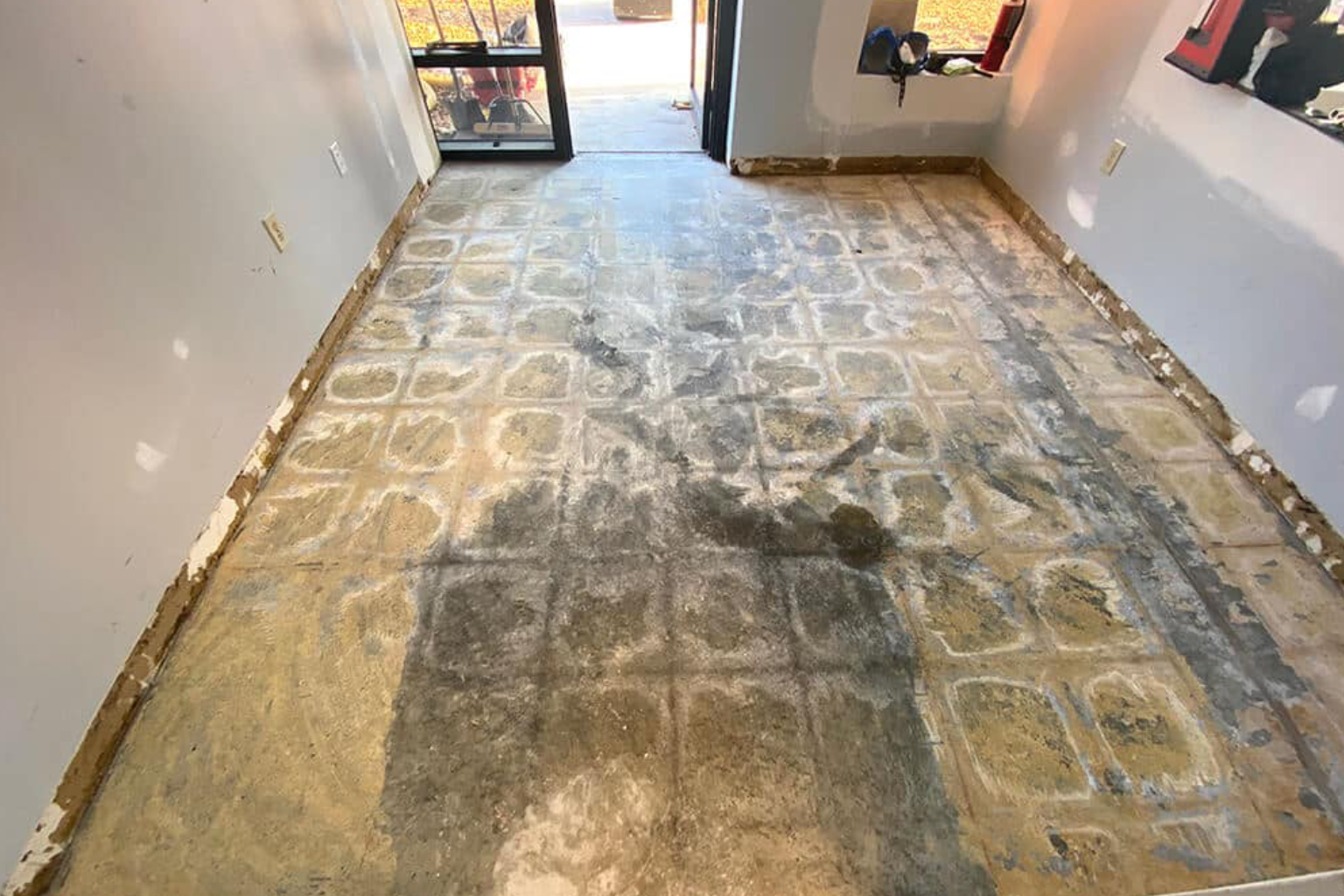
The concrete slab underlies the whole project. If the slab is healthy, the process will be quicker and less expensive. However, if it is not in the best condition, the cost will be higher. Staining is not a solution for imperfections; on the contrary, it may even make them more noticeable. This is the reason why the condition of the slab is so critical.
New Concrete vs Old Concrete
Newly poured concrete is generally smooth and clean. Typically, it displays fewer cracks and is free from old coatings. Consequently, staining becomes a quicker and easier job. Conversely, old concrete is likely to have stains from paint, glue, or grease. Besides, there might be minor cracks or uneven spots. They all have to be repaired or removed first. This will require more time and will have an impact on the labor costs.
Absorption, Age, and Moisture Issues
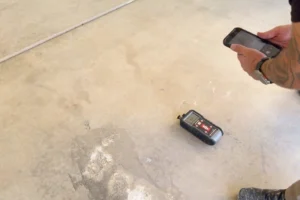
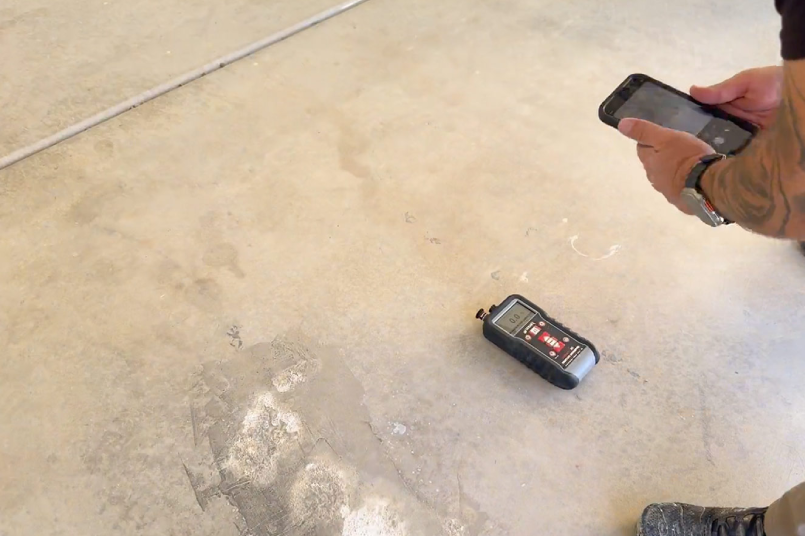
Different types of concrete take in stain at different rates. Some slabs absorb it evenly, while others take it in patches. Extremely hard concrete might be ground to open up the surface. Softer concrete needs careful staining to prevent areas from being too dark. Moisture is also a concern. If water rises from below the slab, the stain may not adhere. Moisture testing and treatment will thus elevate the cost.
Floor Condition Affects
A slab that is not in good condition will require a lot of preparation. Repairs, grinding, or moisture control may be the steps involved. Each step requires additional labor and materials.
Even before anything like the selection of colors or finishes is done, these problems can noticeably increase the cost of the stained concrete floor.
How Design Details Increase the Cost
Visual depth is the factor that differentiates a stained concrete floor from others. The basic floors might look neat and clean, but the deep designs are luxurious and eye-catching. More depth indicates more steps, more skill, and more time, which is why the price increases.
Flat color vs layered Color Depth
A flat color applies one stain tone over the entire surface of the floor. It is a very quick process and also easy to control. Layered color depth consists of two or more colors. Each layer is very carefully added. This results in a more profound and artistic look. Layered designs are pricier as they take longer.
Natural movement and variation pricing
Some homeowners prefer a natural stone-like appearance. Light and dark areas that merge are a part of it. The creation of this movement is not arbitrary. It requires skilled and experienced workers and also a good amount of planning. Contractors may opt to stain in stages. The extra skill required drives the price up.
Design Choices and Stain Cost
Basic designs are inexpensive and keep the cost low. Elaborate drawings bring about a price hike. The longer the process, the more the cost, more colors, more layers, and more detail add up to labor time. Consequently, the concrete floor stain cost escalates as visual depth does, even when the area of the floor remains the same.
Acid Stain Concrete Floor Cost
Acid staining is a very distinct procedure that turns a concrete floor into something very much like a living piece of art. The penetration of acid stains into the concrete is the main difference from water-based stains, and the excellent interaction with the minerals.
The reaction between the acid and the minerals produces one-of-a-kind color tones and patterns that are indelible. Because of the difficulty and the skill required, the cost of acid stained concrete floors is more than standard stains.
On average, the acid stained concrete floor cost ranges from $4 to $8 per square foot, depending on the floor size, condition, and design complexity.
- For example, a 300 sq ft living room may cost around $1,200 to $2,400.
- While a larger area of 800 sq ft could reach $3,200 to $6,400.
- It is often treated as a separate pricing category in most flooring projects.
Reasons for the Different Pricing of Acid Stains
Acid stains are not merely superficial colors; they bring about a chemical change in the concrete. Different-aged and porous slabs with varying mineral content would react in different ways, thus the unpredictability that demands skill for consistent results. Mistakes may happen, but they are not that easy to correct, and the cost of redoing an acid stained concrete floor is high.
The main factors making acid stains expensive:
- The whole chemical procedure requires precision in handling and timing
- Safety measures must be taken to ensure that the workers and the surfaces are protected
- Application, neutralization, and cleanup processes take extra labor
- Sometimes several layers need to be applied to get the required depth
All these reasons usually lead to the acid stain concrete floor cost being significantly more than that of water-based stains or simple color applications.
Chemical Reaction, Time, and Skill Costs
The application of acid stain is not simply pouring a liquid onto the floor. The contractor needs to carefully monitor the reaction of the stain with the concrete to get the same color all over. The stain, when applied, will react with the minerals in the concrete for a certain amount of time. The reaction will create beautiful and random patterns that will give every floor a unique character.
The steps include:
- Cleaning and preparing the surface thoroughly.
- Applying the acid stain with proper safety precautions and evenly.
- Waiting for the reaction time for the full discoloration.
- The acid is neutralized to end the process.
The floor is rinsed and dried before sealing.
All these steps require time and skilled labor. The manpower that is required plays a large part in the cost of a stained concrete floor and that of acid-staining concrete floors.
Factors Affecting Acid-Stained Concrete Floors Cost
The overall cost may differ based on:
- Condition of the concrete slab: Damaged floor, stains, or rough surface may require repair
- Size of the floor: The cost per square foot may be lower in large areas, but the total labor cost may increase
- Complexity of the design: Use of multiple colors, layering, or creating patterns adds to the cost of stained concrete floors
- Sealing and finishing: The cost of acid-stained concrete floors increases due to using high-quality sealers that would protect and make the floor shinier.
Why Choose Acid-Stained Floors?
Acid-stained floors, although expensive, are a beautiful, durable, and lasting feature. They are also the toughest and do not fade as quickly as some stains applied at the surface level.
For the homeowners who want to achieve a natural look with color variation and a premium finish, the price of staining the concrete flooring with acid can be considered well worth it.
Labor Work That Contributes to Acid-Stained Concrete Floors Cost
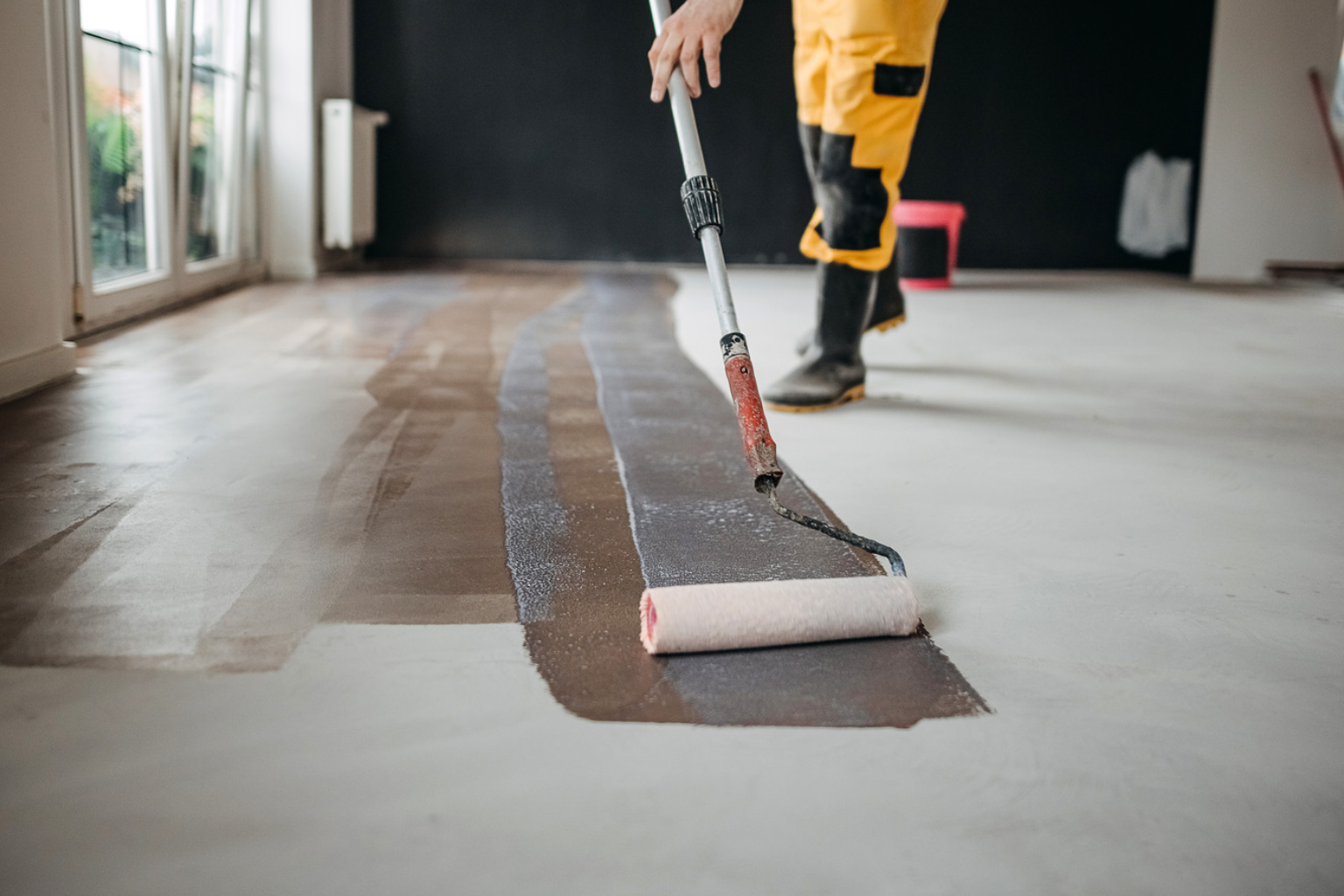
One of the biggest factors in pricing acid-stained concrete floors is labor. The entire process consists of many time-consuming and meticulous steps. Some of them can easily be overlooked, but they have a huge impact on the final bill. The whole thing is at a snail’s pace, where no rush is allowed.
Masking of walls, doors, and fixtures
Staining is done, and workers have protected the areas around. Walls, doors, cabinets, drains, and fixtures are covered. This is to prevent acid from splashing on them. Masking has to be done so that it is not only clean but also complete.
In the case of rooms with a lot of items, this step takes longer before the next one can be started. The cost of masking alone can be around $0.50 to $1.00 per square foot.
Cleanup and neutralization time
At the conclusion of stain interaction with the concrete, it is time to neutralize the floor. This action prevents the acid from penetrating deeper into the concrete. Finally, the floor gets several washes and rinses. Residue must be removed entirely.
If this procedure is omitted or hurried through, the finish may not last. Cleanup and neutralization usually add $1 to $2 per square foot in labor costs.
How Labor Affects Acid-Stained Floor Pricing
Acid staining requires only trained personnel. They have to monitor the color change and perform the operation at the correct time. The drying process also accounts for extra labor hours. Even a slight delay can add up to more time.
Labor is the main reason that acid stained concrete floors cost is so high. In total, labor alone can range from $2 to $4 per square foot, depending on room size and complexity.
This is how acid-stained floors become more expensive even if the design appears to be simple.
Square Foot Cost vs Total Project Cost
When you plan to stain concrete floors, the square foot cost and total project cost difference is an aspect you should not neglect. The price per square foot only gives you a rough estimate of the cost. The total project cost is dependent on the size and complexity of your floor. Both small and large areas have different challenges that affect pricing.
Why Large Areas Cost Less Per Square Foot
Large open areas generally cost less per square foot. The main reason is that the costs of setup, labor, and materials are disbursed over a larger area. The contractors are working better in the open space as there are fewer limits. They are spending less time moving furniture, masking walls, or protecting fixtures. At the same time, materials like stains and sealers are used with less waste.
On average, staining a large area can cost between $4 and $5 per square foot, depending on the type of stain and the condition of the floor. For example, a 500 sq ft living room may cost approximately $2,000 to $2,500 in total, although the per-square-foot rate is lower than that of smaller rooms.
Why Small Rooms Cost More Per Foot
Small rooms usually have a higher per-square-foot cost. This is mainly because every single area still requires setup, masking, and cleanup. The limited space makes it difficult for the workers to move around conveniently, which in turn prolongs the process. There are corners, steps, and fixtures that can easily lead to mistakes, so they have to be given special care. All these factors contribute to more labor time and, consequently, a higher price per square foot.
On average, small rooms may cost about $5.50 to $6 per square foot. For instance, a 100 sq ft bathroom can cost around $550 to $600 in total. Even though the total cost is less than that of a large room, the per-square-foot price is still higher.
How Project Size Affects Overall Cost
The total project cost is impacted positively or negatively by floor size and complexity. The larger the rooms, the more the savings per square foot, but this may result in a higher total cost because of the larger area. Smaller rooms have higher rates per square foot but may be cheaper when viewed overall.
Careful planning guides you through your budget and helps you make a decision on whether the upgrades, decorative stains, or premium sealers are worth the investment. The factors that determine the combination of floor size, stain type, and design details depend on.
| Room Size (sq ft) | Avg Cost per Sq Ft | Total Cost Estimate | Considerations |
| 100 sq ft (small) | $5.50 – $6 | $550 – $600 | Small room with tight corners and fixtures |
| 300 sq ft (medium) | $5 – $5.50 | $1,500 – $1,650 | Standard room with open space |
| 500 sq ft (large) | $4 – $5 | $2,000 – $2,500 | Large open area, easier application |
| 800 sq ft (extra-large) | $4 – $4.50 | $3,200 – $3,600 | Very large open space, lower per-square-foot cost |
Sealing Your Floor: Cost Considerations
Sealing a stained concrete floor is important. A good sealer protects it from scratches, stains, and wear. It also makes the color and shine more vibrant. Without sealing, the stain can fade or wear out, which may require redoing the floor and add extra costs.
The sealing price varies depending on the sealer type that you have picked. The basic ones are cheaper than the others, but they still offer standard protection. The premium sealers are very durable, and they give the advantage of a glossy or matte finish that lasts even longer.
On average, the cost for sealing a floor is $1.50 to $3 per square foot for standard sealers and $3 to $5 per square foot for top-notch options.
The overall price is also dependent on the size of the area. Big floors get the advantage of lower per-square-foot rates, while small ones may experience slightly higher costs due to setup and preparation time.
For instance, the cost for sealing a 300 sq ft room with a standard sealer would be around $450 to $900, and if premum sealer is chosen, then the cost would be $900 to $1,500.
The porosity of the floor, its condition, and the number of coats that will be required are the other issues that are going to influence the price of the sealer. There are times when the floors require additional work, like grinding or filling cracks, before they can be sealed. Each of those things increases the overall cost of labor and materials.
Selecting the appropriate sealer is all about finding the right price point and durability. While it certainly drives up the initial outlay, a quality sealer will take care of your maintenance costs and keep your floor looking good for years to come. Proper sealing guarantees that your cost of stained concrete floors is an investment that lasts longer and also preserves its attractive quality.
When You Stain Matters
The timing of your staining project can have a direct impact on the cost of acid staining a concrete floor. In high-demand seasons such as spring and summer, contractors might raise their prices due to the increased demand. Moreover, if a rush job is scheduled or a faster completion is required, it would definitely increase the cost of labor.
On the other hand, if the project is carried out during a period when demand is low, then in some cases, the price may be lowered, hence, it becomes an option to save money without any compromise on quality.
Long-Term Cost Reality
- Expected resealing cycle: Stained concrete floors usually require resealing every 2–5 years to keep the color and protection. When you skip resealing, you might end up with damage and higher costs down the road.
- Spot repairs vs full refresh: Spot repairs, which cost less, are sometimes enough to fix minor scratches or stains. However, larger damage may necessitate a full floor refresh, hence increasing the total expense.
- How upkeep changes cost of acid stained concrete floors: Regular cleaning, proper care, and timely resealing contribute to keeping maintenance costs low. By neglecting upkeep, you can significantly increase the cost of acid stained concrete floors over time.
Long-Term Value of Stained Concrete Floors
Concrete floors are strong and long-lasting, but it helps to compare them with other flooring types over several years.
- Stained concrete vs tile: On Tile there is some beauty, but the dirt between the tiles can make them look unpleasant, and they may sometimes need replacing or repairing. Tile maintenance for 5 to 10 years may cost around $6 to $8 per sq ft for cleaning and repairs. Stained concrete can be cleaned and maintained easily, and the average cost is $4 to $8 per sq ft. So, it is more often than not the cheaper option in the long run.
- Stained concrete vs epoxy: Epoxy floorings can give a very modern and shiny look, but if not properly installed, they might chip or peel off. Repairing or recoating the epoxy floor can cost around $5-$9 per sq ft. Stained concrete resists wear and needs fewer major repairs, which helps save money over time.
- The real value behind the cost of a stained concrete floor: Although the initial cost of the stained concrete floor ranges from $4 to $8 per sq ft. Its durability, low maintenance, and long-lasting beauty are the reasons why it is considered a smart investment. Over 5 to 10 years, stained concrete usually costs less than tile or epoxy.
While comparing long-term flooring options, you may also want to check the costs to polish concrete floors, to see how polished concrete compares in price, durability, and maintenance.
Conclusion
Staining of concrete floors is not only a matter of decoration but also a long-term investment. The cost of the final stained concrete floor depends on several factors, including the condition of the floor, the type of stain, labor, and sealing. Acid-stained floors are more costly, since they are the result of skill and chemicals, but at the same time, they give unique colors and are very beautiful over the years.
In addition, proper preparation, timely sealing, and maintenance can bring forth tremendous savings over time. Stained concrete, when judged against tile or epoxy, is usually more durable and cost-effective over a period of 5 to 10 years. Homeowners who have a grasp of these factors will be able to plan their budgets wisely and make the right choice for their space.
Transform your floors with Epoxy Shine today! Get durable, stylish, and easy-to-maintain stained concrete floors that last for years. Contact us now for a free quote!