
In environments such as manufacturing plants, laboratories, data centers, and technology facilities, protecting sensitive equipment is critical. Even small amounts of static electricity can cause serious problems, including damage to electronic components, system failures, and safety hazards for workers.
This is where ESD epoxy flooring plays an important role. ESD stands for electrostatic discharge. An ESD epoxy floor is specially designed to control static electricity by safely directing electrical charges through the floor and into a grounding system.
Unlike standard epoxy coatings, ESD floor coatings include conductive or static-dissipative materials. These materials help prevent sudden static discharge, making them ideal for areas where electronics, medical equipment, or precision machinery are used.
In this guide, we will explain what ESD flooring is, how it works, where it is commonly used, how it differs from regular epoxy flooring, and what to consider before installing an ESD floor system.
Key Takeaways
- ESD epoxy flooring helps control static electricity in sensitive commercial and industrial spaces.
- ESD floor coatings differ from regular epoxy coatings because they include conductive or static-dissipative materials.
- These systems are commonly used in electronics manufacturing, data centers, laboratories, cleanrooms, medical equipment areas, and industrial facilities.
- A proper ESD floor system may include surface preparation, conductive primer, grounding strips, topcoats, curing, and conductivity testing.
- Industrial ESD epoxy flooring should be selected based on equipment sensitivity, traffic level, concrete condition, grounding needs, and maintenance requirements.
- ESD coatings work best when part of a comprehensive static-control plan, which may also include footwear, cleaning methods, and regular testing.
What Is ESD Flooring?
ESD flooring is a static-control flooring system designed to reduce electrostatic discharge in sensitive environments. Electrostatic discharge happens when static electricity moves suddenly from one surface or object to another. In many everyday spaces, this may only cause a small shock. In a technical environment, it can damage equipment, cause product defects, interrupt operations, or create safety concerns.
ESD epoxy flooring is one type of ESD flooring. It uses epoxy resin combined with conductive or static-dissipative materials to help control electrical charge movement. Instead of allowing static electricity to build up on the surface, the flooring system helps guide the charge toward a grounding path.
This makes ESD epoxy useful for facilities that handle circuit boards, servers, testing equipment, medical devices, robotics, packaging systems, or other sensitive components. It is not just a decorative coating. It is a specialty flooring system designed for performance, safety, and long-term facility protection.
What Is ESD Epoxy Flooring?
ESD epoxy flooring is more advanced than an ordinary epoxy floor. A standard epoxy floor protects concrete, improves durability, and creates a smooth finished surface. ESD epoxy does those things too, but it also helps manage static electricity.
ESD epoxy flooring includes conductive or dissipative additives that allow static charges to move through the coating system in a controlled way. This helps reduce static buildup and lowers the risk of sudden discharge near sensitive equipment.
This type of flooring is commonly used in areas where regular epoxy may not be enough. Electronics manufacturing floors, server rooms, cleanrooms, laboratories, testing areas, and medical equipment spaces often need a floor system that supports static control.
ESD epoxy floors can also provide many of the practical benefits of regular epoxy. They are durable, smooth, easy to clean, chemical-resistant, and suitable for many commercial or industrial spaces. For businesses that need both surface protection and static-control performance, ESD epoxy can be a smart long-term investment.
How Does ESD Flooring Work?
ESD flooring works by creating a controlled path for electrical charges to move from the floor surface to the ground. When people walk, carts roll, machines operate, or materials move across the floor, static electricity can build up. An ESD flooring system helps prevent that charge from staying trapped on the surface.
In an epoxy system, the coating may include conductive fillers, static-dissipative additives, conductive primer, copper grounding strips, or grounding points. These parts work together to create a pathway that allows charge to move safely toward ground.
The ESD Association explains that floor and footwear systems can work together to provide a safe ground path for electrostatic charge and reduce charge buildup on personnel. This is why ESD flooring is often only one part of a larger static-control program.
A properly installed ESD epoxy floor should provide consistent static-control performance across the surface. If the coating is uneven, the grounding is poor, or the wrong system is selected, the floor may not perform as expected. That is why ESD epoxy installation requires careful planning, correct material selection, and post-installation testing.
ESD Floor Coatings vs Regular Epoxy Coatings
Regular epoxy coatings are mainly used to protect concrete from wear, stains, chemicals, and daily traffic. They are common in garages, basements, warehouses, showrooms, and commercial spaces. However, regular epoxy coatings are not automatically designed to control static electricity.
ESD floor coatings are different because they are made for static-control environments. They are designed to reduce the risk of electrostatic discharge by helping electrical charges move through the flooring system and toward ground.
The main difference is purpose. Regular epoxy focuses on strength, appearance, and surface protection. ESD epoxy focuses on those benefits plus static-control performance. Because of this, ESD coatings usually require more planning, grounding components, specific resistance targets, and testing after installation.
For businesses with sensitive equipment, regular epoxy may look good but still leave the facility exposed to static-related risks. An ESD epoxy system is the better choice when static discharge can affect equipment, products, safety, or operations.
Anti Static Floor Coating vs ESD Epoxy Flooring
The phrase anti static floor coating is often used broadly, but it is not always the same as ESD epoxy flooring. Some anti-static coatings are designed to reduce static buildup on the surface, while ESD flooring is usually part of a more controlled system with resistance ranges, grounding, and testing.
For a basic space, an anti-static coating may be enough to reduce nuisance static. For a facility with sensitive electronics, medical devices, data systems, or compliance needs, ESD epoxy flooring is usually the stronger option because it is designed around measurable static-control performance.
This distinction matters when choosing a floor. A product called “anti-static” may not always meet the requirements of an electronics manufacturing space, cleanroom, or data center. Facility owners should look at the system’s resistance range, grounding design, testing method, and maintenance requirements before making a decision.
Conductive vs Static-Dissipative ESD Coatings
Not all ESD coatings perform the same way. Some are conductive, while others are static-dissipative. The right choice depends on the facility, equipment sensitivity, traffic, safety needs, and required standards.
| Flooring Type | General Resistance Range | Best Used For |
|---|---|---|
| Conductive ESD Flooring | Often at or below 1.0 × 10⁶ ohms | Higher-risk static-control areas where faster charge movement may be needed |
| Static-Dissipative Flooring | Greater than 1.0 × 10⁶ ohms and less than 1.0 × 10⁹ ohms | Electronics areas, laboratories, data centers, cleanrooms, and controlled production spaces |
The ESD Association describes dissipative flooring as having resistance to ground greater than 1.0 × 10⁶ ohms and less than 1.0 × 10⁹ ohms. Sika also explains that ESD dissipative resinous floors commonly fall between 1.0 × 10⁶ and 1.0 × 10⁹ ohms, while conductive resinous floors generally fall below that range.
The goal is not always to choose the most conductive floor. The goal is to choose the right electrostatic floor system for the type of work being done in the facility.
Specialty ESD Floor Coatings for Sensitive Facilities
Specialty ESD floor coatings are used when a basic floor coating cannot provide enough protection. These systems are designed for controlled spaces where static discharge may damage equipment, affect product quality, or create operational problems.
A specialty ESD epoxy system may include multiple layers, such as concrete primer, conductive primer, copper grounding strips, ESD epoxy body coat, and protective topcoat. The exact system depends on the facility and the level of protection required.
These coatings are often used in electronics manufacturing, pharmaceutical spaces, cleanrooms, testing labs, server rooms, medical equipment areas, and industrial production spaces. In these environments, the floor must do more than look finished. It must support safety, equipment protection, cleaning needs, and long-term performance.
Key Features of ESD Epoxy Flooring
ESD epoxy is designed to combine durability, static control, and practical surface performance. This makes it useful in sensitive facilities where a regular coating may not be enough.
Key features include:
Electrostatic Dissipation
ESD epoxy floor coating products contain conductive or dissipative materials that help move static electricity safely toward ground.
Durability and Strength
ESD epoxy can resist foot traffic, equipment movement, abrasion, and daily industrial use when properly installed.
Seamless Surface
ESD coatings create a continuous, non-porous surface that helps reduce places where dust, dirt, and liquids can collect.
Chemical Resistance
Many ESD epoxy systems are designed to resist common chemicals, spills, and cleaning products used in industrial or laboratory environments.
Low Maintenance
ESD epoxy floors are easier to clean than many traditional flooring materials, helping reduce maintenance time.
Custom Appearance
ESD epoxy can be installed in different colors or finishes while still supporting the required static-control function.
Static-Control Support
When installed and tested correctly, ESD flooring can help support a facility’s electrostatic discharge control needs.
Long-Term Value
A properly selected ESD epoxy system can help reduce equipment damage, downtime, product loss, and repair costs.
Applications of ESD Epoxy Flooring
ESD epoxy flooring is designed for spaces where electrostatic discharge must be controlled. It provides a durable surface while helping reduce static-related risk. Below are the main areas where ESD epoxy is commonly used.
1. Electronics Manufacturing Facilities
Electronics manufacturing facilities often handle circuit boards, microchips, sensors, and other sensitive parts. A small static discharge can damage these components or create hidden defects that may not appear until later.
Industrial ESD epoxy flooring helps reduce static buildup in assembly, packaging, testing, and production areas. It also provides a durable surface for foot traffic, carts, and equipment.
2. Data Centers and Server Rooms
Data centers and server rooms need stable, clean, and controlled environments. Static discharge can affect servers, racks, wiring, and data systems. ESD epoxy flooring can help reduce this risk while providing a surface that is easy to clean and maintain.
For these spaces, the flooring system should be selected carefully based on equipment sensitivity, grounding needs, traffic, and maintenance practices.
3. Laboratories and Research Facilities
Laboratories often include testing instruments, electronic equipment, chemicals, and sensitive materials. ESD epoxy floor coatings help control static electricity while providing a smooth and cleanable surface.
This makes them useful in research labs, testing labs, medical labs, and technical workspaces where safety and accuracy matter.
4. Cleanrooms and Semiconductor Manufacturing
Cleanrooms and semiconductor facilities require control over dust, contamination, static electricity, and surface performance. ESD epoxy flooring can support these needs when installed as part of a complete static-control system.
The seamless surface also helps reduce cracks and joints where particles may collect, making epoxy suitable for controlled environments.
5. Hospitals and Medical Equipment Areas
Medical equipment areas may contain sensitive devices, monitoring systems, imaging equipment, and electronic instruments. ESD flooring can help reduce static-related risks while also giving the space a durable and easy-to-clean surface.
The flooring system should be selected based on cleaning needs, equipment sensitivity, traffic level, and safety requirements.
6. Industrial Workshops and Warehouses
Some workshops and warehouses use electronic controls, robotics, packaging systems, sensitive machinery, or materials that can be affected by static discharge. ESD coatings can help reduce static buildup near work areas and equipment.
Epoxy flooring is also strong enough to handle heavy traffic, rolling loads, abrasion, and spills when the right system is installed.
7. Electronics Testing and Assembly Areas
Testing and assembly areas need consistent conditions. Static discharge can affect product quality, testing accuracy, and equipment performance.
ESD epoxy flooring helps create a controlled surface that supports safer and more consistent work in electronics testing, repair, assembly, and quality-control areas.
Installation Process of ESD Epoxy Flooring
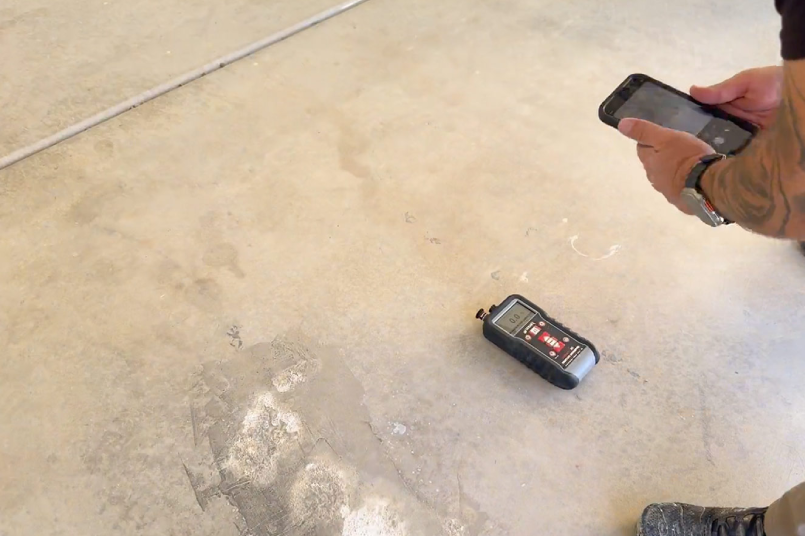
Proper installation is one of the most important parts of ESD epoxy flooring. The process usually starts with concrete surface preparation. The floor must be cleaned, repaired, profiled, and checked for cracks, contamination, weak areas, or moisture concerns.
After the surface is prepared, the installer applies the selected primer or base layer. Depending on the system, conductive primer, copper grounding strips, or grounding points may be installed to create a path for electrical charges to move toward ground.
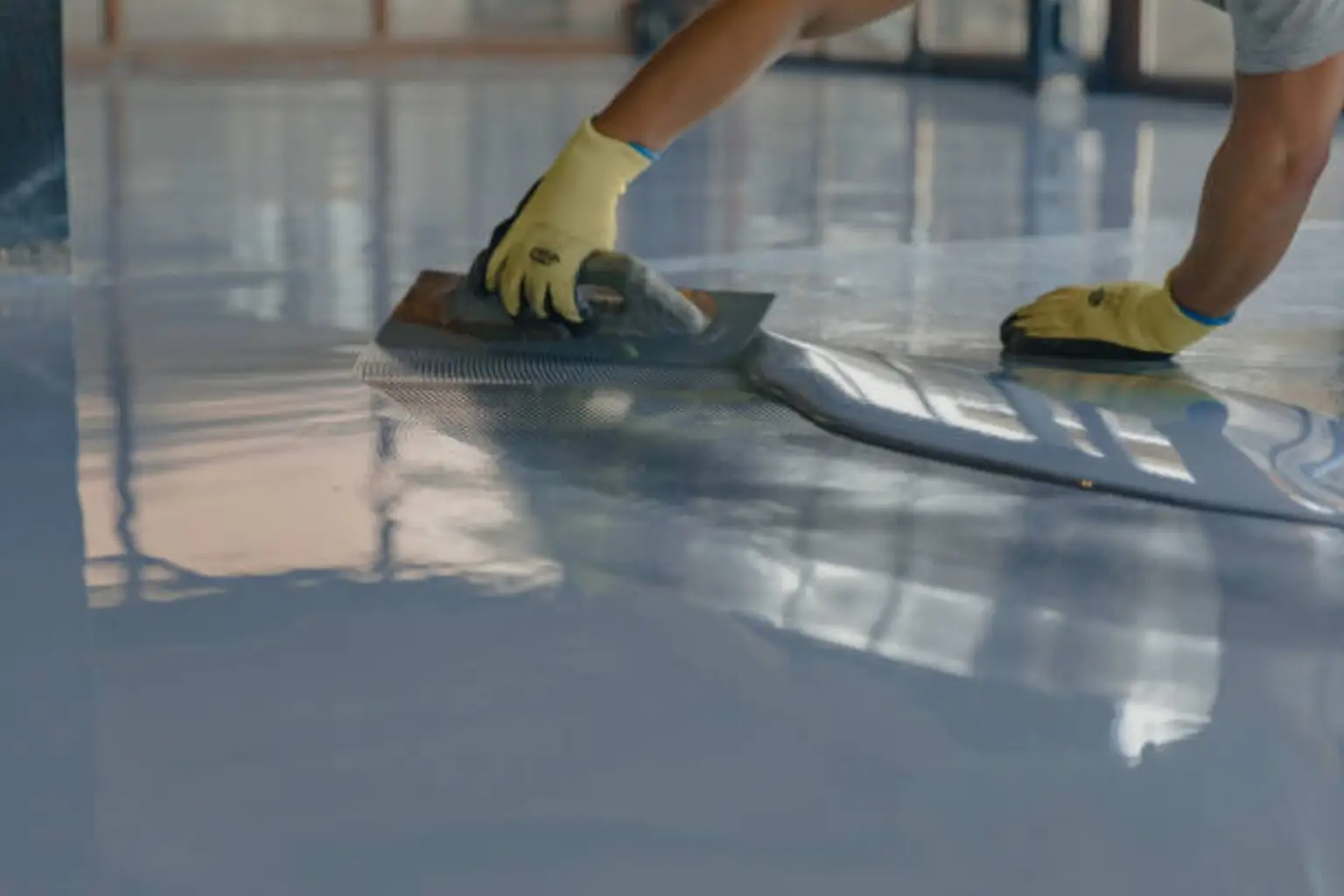
Next, the ESD epoxy coating is applied in controlled layers. These layers may include conductive or static-dissipative materials that help create consistent electrical performance across the floor. Mixing, thickness, temperature, humidity, and timing all affect the final result.
After application, the floor must cure properly before full use or testing. Curing time depends on the product, temperature, humidity, and jobsite conditions. Once cured, conductivity testing should be performed to confirm that the floor meets the required performance range.
Sika’s electrostatic flooring guide notes that resistance-to-ground and point-to-point resistance should be measured under ANSI/ESD STM7.1 guidance, with testing performed across the installed area.
ESD Flooring Testing and Standards
An ESD epoxy floor should not be judged only by appearance. A floor can look smooth and professional but still fail to provide proper static-control performance if it is not tested.
Common testing may include:
- Surface resistance testing
- Point-to-point resistance testing
- Resistance-to-ground testing
- Flooring and footwear system testing
- Walking body voltage testing in certain environments
Testing matters because ESD flooring often works as part of a full system. The floor, footwear, humidity, grounding points, cleaning products, and equipment can all affect performance. For sensitive facilities, post-installation testing and periodic inspections help confirm that the floor continues to work as intended.
ESD Epoxy Flooring Cost Factors
ESD epoxy flooring cost can vary because every facility has different needs. A small server room will not cost the same as a large electronics manufacturing floor, cleanroom, or industrial production space.
Common cost factors include:
| Cost Factor | Why It Matters |
| Floor size | Larger spaces require more material, labor, preparation, and testing. |
| Concrete condition | Cracks, moisture issues, contamination, or uneven areas may require repair. |
| Surface preparation | Grinding, cleaning, profiling, and repair work affect labor and performance. |
| Grounding system | Copper strips, grounding points, and conductive primers can increase complexity. |
| Coating type | Conductive and static-dissipative systems may have different material costs. |
| Traffic level | Heavy equipment, carts, forklifts, or chemicals may require a stronger system. |
| Testing requirements | Compliance-sensitive facilities may need detailed testing and documentation. |
| Finish selection | Slip resistance, texture, color, and topcoat options may affect the final price. |
For most businesses, the best choice is not simply the cheapest floor coating. The right ESD epoxy system should match the facility’s risk level, equipment sensitivity, safety needs, and long-term maintenance expectations.
Maintenance and Care of ESD Flooring
Cleaning and maintaining ESD epoxy flooring is important for both appearance and performance. Because ESD epoxy floors create a smooth and non-porous surface, routine cleaning is usually simple.
Daily maintenance may include sweeping, dust mopping, or using a soft cleaning tool to remove dirt and debris. Periodic wet cleaning with non-abrasive cleaners can help keep the floor clean and hygienic.
Avoid harsh solvents, waxes, oily cleaners, abrasive pads, and cleaning products that leave residue. These materials may affect the floor’s static-control performance. Maintenance teams should use cleaning methods that are suitable for ESD coatings.
Periodic inspections are also important. Facility managers should check for worn areas, scratches, damaged coating, loose grounding connections, or areas affected by chemicals or equipment. Small damaged sections should be repaired quickly to support long-term performance.
In sensitive environments, the floor should also be tested from time to time. Regular testing helps confirm that the system still performs within the required range and that cleaning practices are not reducing its effectiveness.
Common Mistakes to Avoid With ESD Epoxy Flooring
One common mistake is treating ESD epoxy like regular epoxy paint. ESD flooring is a technical system, not just a decorative coating. It must be planned around static-control needs, equipment sensitivity, grounding requirements, and concrete condition.
Another mistake is skipping conductivity testing after installation. Without testing, there is no clear proof that the floor is performing as expected. For facilities with sensitive electronics or compliance requirements, testing documentation can be important.
Using the wrong cleaning products is also a common issue. Some cleaners leave residue that may reduce static-control performance. Maintenance teams should follow cleaning practices that are suitable for ESD flooring.
Choosing a system based only on price is another risk. A low-cost coating may not provide the right resistance range, durability, chemical resistance, or long-term performance. ESD epoxy should be selected based on the environment, not only the upfront cost.
Choosing the Right ESD Epoxy Flooring Contractor
Selecting the right contractor is important because ESD epoxy flooring requires more than basic coating experience. The installer must understand concrete preparation, grounding, conductive materials, coating thickness, curing conditions, and testing requirements.
A professional contractor should evaluate the existing concrete, review how the space is used, explain coating options, and recommend a system based on the facility’s static-control needs. They should also explain how the floor will be maintained and whether periodic testing may be needed.
For New Jersey businesses, industrial ESD epoxy flooring may be useful in laboratories, data centers, warehouses, electronics areas, production spaces, medical equipment rooms, and commercial facilities. Epoxy Shine helps facility owners choose epoxy flooring solutions based on durability, safety, surface performance, and project requirements.
Conclusion
ESD epoxy flooring is an important flooring solution for facilities that handle sensitive electronics, laboratory equipment, cleanroom operations, server systems, medical devices, or industrial machinery. By using conductive or static-dissipative materials, ESD epoxy floor coatings help reduce static buildup, protect equipment, and support safer working conditions.
These flooring systems also provide the practical benefits of epoxy, including durability, seamless surfaces, chemical resistance, easy cleaning, and long-term performance. When properly installed and maintained, ESD coatings can help reduce downtime, limit repair costs, and protect valuable equipment.
If your facility needs ESD epoxy flooring in New Jersey, Epoxy Shine can help you evaluate your space and recommend the right epoxy flooring solution for your needs. Contact Epoxy Shine today to schedule a consultation for your commercial or industrial facility.
FAQs
What is ESD flooring?
ESD flooring is a static-control flooring system designed to reduce electrostatic discharge. It helps move electrical charges safely toward ground instead of allowing static to build up on the floor surface.
What is ESD epoxy flooring?
ESD epoxy flooring is an epoxy coating system that contains conductive or static-dissipative materials. It protects the concrete surface while helping control static electricity in sensitive environments.
How does ESD flooring work?
ESD flooring works by creating a controlled path for static electricity to move from the floor surface to a grounding point. The system may include conductive materials, grounding strips, primer, and ESD topcoats.
What are ESD floor coatings used for?
ESD floor coatings are used in spaces where static discharge can damage equipment, products, or data systems. Common uses include electronics manufacturing, laboratories, cleanrooms, data centers, and medical equipment areas.
Is anti static floor coating the same as ESD epoxy flooring?
Not always. Anti static floor coating is a broad term, while ESD epoxy flooring is usually a more controlled system designed with resistance ranges, grounding, and testing requirements.
Where is industrial ESD epoxy flooring commonly installed?
Industrial ESD epoxy flooring is commonly installed in electronics facilities, production areas, warehouses, testing labs, cleanrooms, server rooms, and facilities with sensitive machinery or components.
Does ESD epoxy flooring need grounding?
Yes, most ESD epoxy flooring systems require grounding components. Grounding helps create a path for electrical charges to move safely away from the floor surface.
How is ESD epoxy flooring tested?
ESD epoxy flooring may be tested for surface resistance, point-to-point resistance, resistance to ground, and flooring/footwear system performance. Testing helps confirm whether the floor meets the required static-control range.
How much does ESD epoxy flooring cost?
The cost depends on floor size, concrete condition, surface preparation, grounding needs, coating type, traffic level, finish requirements, and testing needs. A professional inspection is the best way to determine an accurate price.
How long does ESD epoxy flooring last?
With proper installation and maintenance, ESD epoxy flooring can last for many years in commercial and industrial environments. Lifespan depends on traffic, cleaning practices, chemical exposure, and how well the floor is maintained.