


Do you want to change old tiles, cracked tiles, or uneven bathroom floors that look run down? If your answer is yes, then it is time to go for epoxy flooring, a tough and very nice looking option for modern homes.
When applied as bathroom epoxy flooring the epoxy provides the best, easiest, and safest surface. It’s fully waterproof, non-slip, and easy to clean. Besides that, it gives a modern and fresh look to any bathroom.
Before arriving at a final decision, it is crucial to have a clear understanding of the cost. The cost of bathroom epoxy flooring depends on your bathroom size, floor condition, and chosen design.
Some designs may involve the use of more materials and labor, which eventually will raise the total cost.
With the help of this very simple guide, you will be able to define your budget in a clear way, thus avoiding unexpected costs during the process.
Average Cost of Bathroom Epoxy Flooring
The average cost of flooring made of epoxy for a bathroom typically varies from $3 to $12 per square foot. Basic epoxy designs are cheaper, whereas the decorative or high-grade finishes are pricier. The ultimate price is dependent upon the kind of epoxy being used and the state of your bathroom floor.
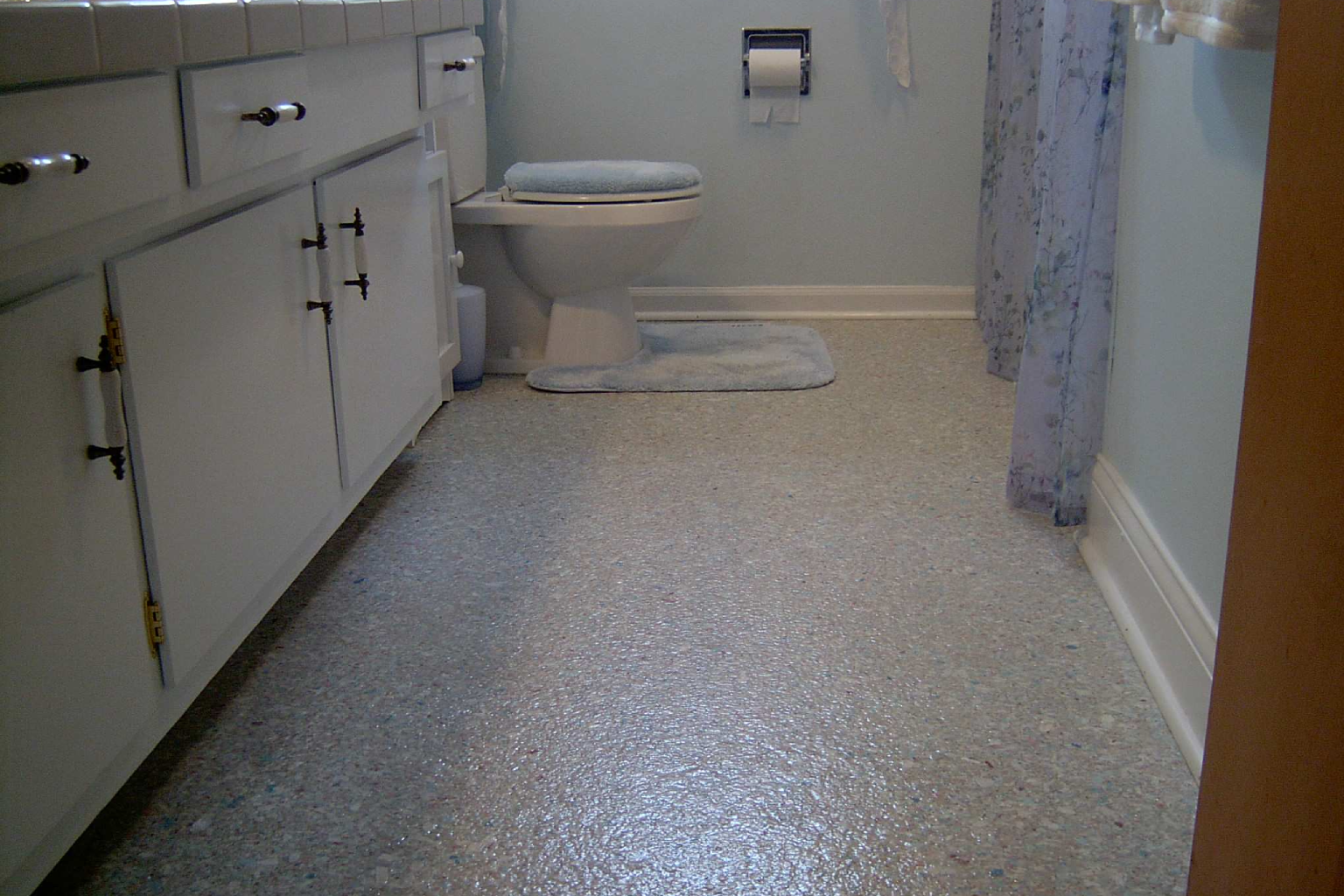
The price for small bathrooms is often higher per square foot compared to big ones. This happens because setup, floor prep, and labor take nearly the same amount of time, no matter how small the space is. Bigger bathrooms may have a lower price per square foot, but the total cost will be higher because of the larger area.
The shower-floor epoxy cost usually consists of floor surface cleaning, minor fixing, epoxy material, and expert installation. However, when it comes to quotes, some of them may also include a topcoat that protects. If extra repairs or special designs are required, the final price will be higher.
Factors That Affect the Pricing.
There are a number of factors that can make the final price of bathroom epoxy flooring go up or down. The bathroom size, floor condition, and the type of design you pick are among the most important factors affecting the price. Knowing these factors helps you to be more aware of where your money is going and helps you to set your budget more accurately.
Bathroom Size and Layout
The bathroom area and its design are the two most important factors for the price of epoxy flooring. Of course, the more the bathroom is, the more epoxy there will be, and hence the higher the cost. On top of that, the plumbing and flooring in the bigger rooms take longer to prepare, install, and cure, which is reflected in the labor costs.
The size of the bathroom is also a significant factor in the cost. If the bathroom is rectangular or square, the installation will be easy and quick, thus costs will be lower.
However, if the bathroom has tight corners or odd angles and has many fixtures, the quantity of work and time required will increase, resulting in a higher installation cost. Even small details like shower benches or raised platforms can add up to the labor and material expenses.
Floor Condition and Required Preparation
The current state of your floor has a significant influence on the cost of bathroom epoxy flooring. Cracked, stained, moisture-damaged and uneven floors will all require special treatment before the epoxy can be applied. Depending on the condition of the floor, the preparation could involve thorough cleaning, grinding or sanding, filling in cracks, applying primers, and leveling the surface to create a smooth base.
On average, floor preparation can add $1 to $4 per square foot to the total cost, depending on the severity of the damage. However, the proper preparation makes sure that the epoxy binds well and thus has a greater lifetime. Missing or hastening this stage can cause such problems as peeling, bubbles, or early wearing out of the floor, which, in most cases, leads to expensive repairs later on.
Epoxy Type and Quality
Firstly, that kind of epoxy, with its quality, determines both the cost and performance of the project. The smooth and tough surface that solid basic color epoxy gives is the cheapest way and is suitable for ordinary bathroom usage.
On the other hand, premium epoxy choices like metallic or high-performance industrial-grade epoxy are expensive but they give the best in strength, durability, and beauty. More expensive materials last longer, resist stains and moisture better, and need less maintenance, which can justify the higher upfront cost.
Selection of Design
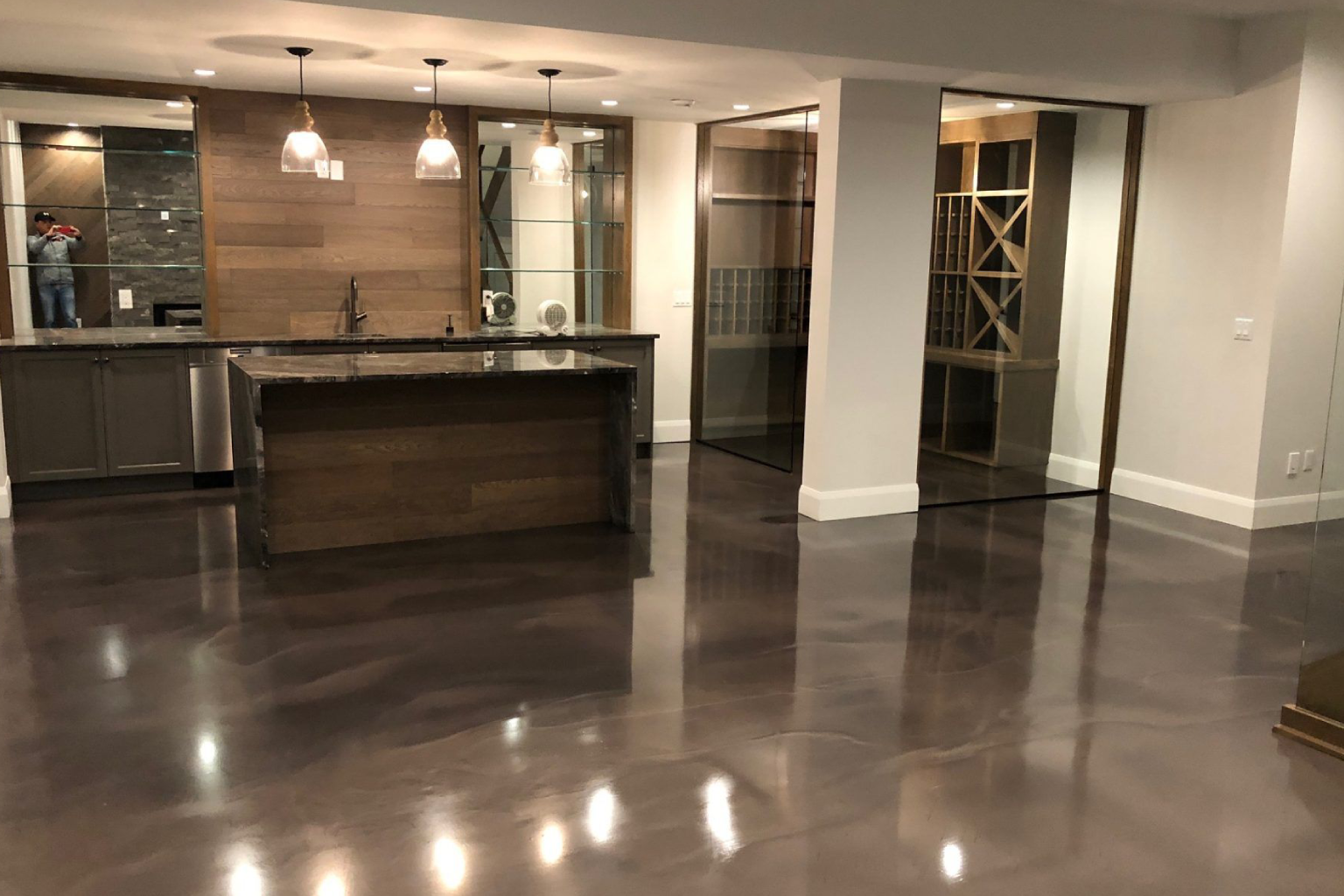
The aesthetic of your epoxy floor also has an impact on the overall cost. Basic, single-color epoxy is the cheapest option and still provides a shiny, modern appearance. Flake epoxy costs more because it uses extra materials and requires more labor. The highest-quality epoxy floors are the ones that imitate the look of a liquid and have a good, shiny effect that requires the use of skilled labor and high-class epoxy.
Custom designs or several colors might also lead to longer labor times and more materials used, thus, lifting the total price. The choice of a design should be a combination of your style preference and budget.
Labor and Location’s Effect
The cost of labor can vary dramatically from one locality to another. A professional installer in a big city or in a place where the cost of living is high, is generally more expensive. In a rural area, the labor costs can be less; however, the installers may charge for travel.
Skilled installers may demand a higher fee, but they are usually the ones who will produce a better job, thus eliminating mistakes and future repairs. The labor charges are normally determined by the area, difficulty, and state of the floo,r so it is wise to seek several quotes to guarantee that you are getting a good deal.
Epoxy Finish Types and Their Cost Influence
Epoxy floors come in various finishes; the one you select can influence the price. Every finish presents a different appearance and a certain degree of durability, so it is necessary to choose one that matches your taste and financial plan.
Solid Color Epoxy
This is the simplest and least expensive option. Solid colors present a pristine, smooth appearance and is not difficult to keep up with. The average cost is between $3 and $7 per square foot.
It is suitable for homeowners looking for a neat and modern appearance without incurring extra costs for the designer. One of the advantages of solid color epoxy is that it can be laid down in a short time, and in case of small damages, it can be easily repaired.
Flake Epoxy Floors
Flake epoxy incorporates tiny decorative fragments into the floor for feeling and fashion. It costs a little more because of the additional materials used and the labor involved. On average, you can expect to pay between $6 and $10 for every square foot of flooring.
People like this choice in washrooms because it makes the floor less slippery, and dirt or flaws can be disguised better than with solid colors.
Metallic Epoxy Floors
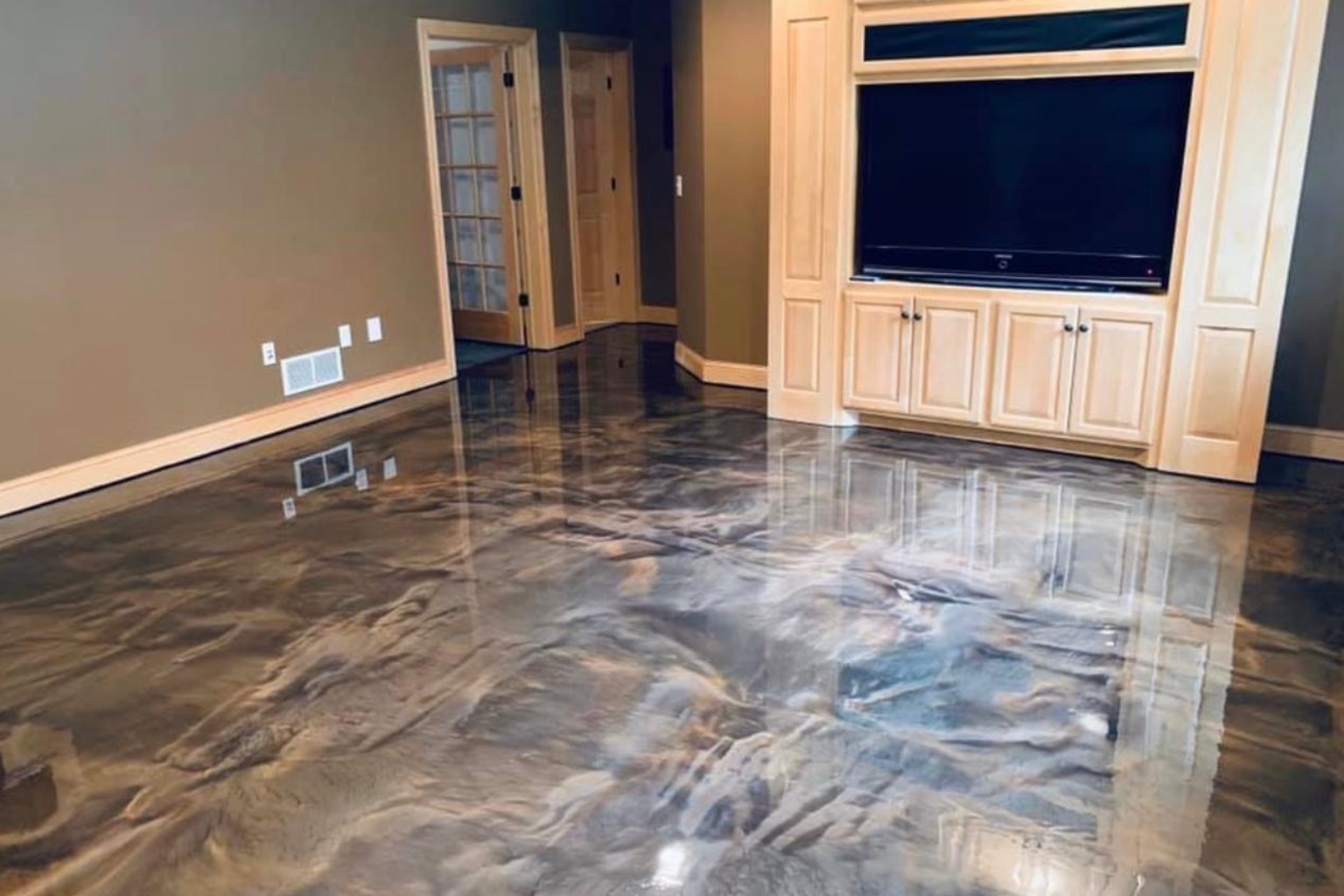
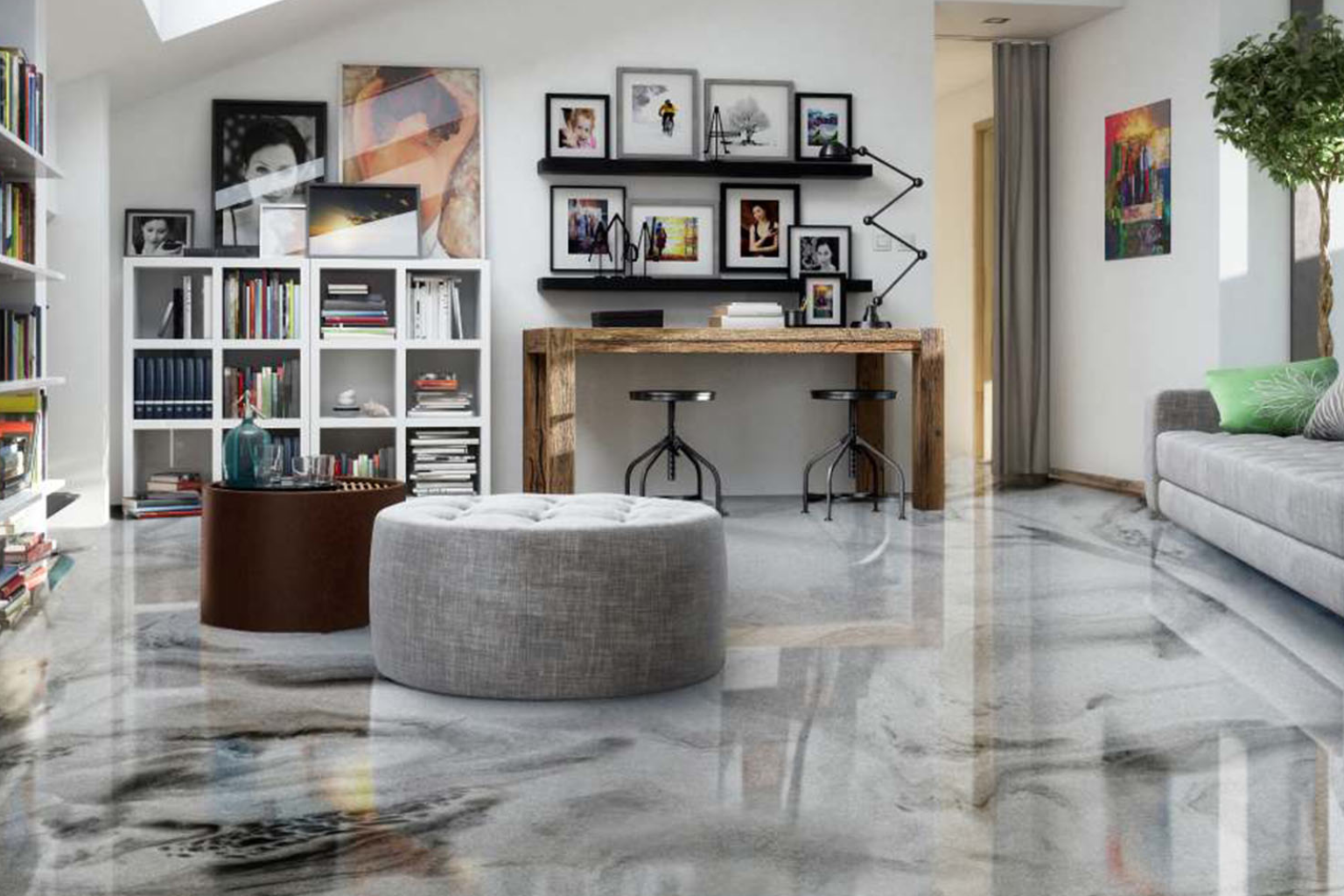
The application of metallic epoxy floors gives a glossy, flowing appearance that not only beautifies but also gives the impression of luxury in bathrooms. The finish’s light reflection and depth contribute to the illusion of spaciousness in small bathrooms. Special pigments are mixed with premium materials to create this type of epoxy.
Due to the complicated application procedure, it is necessary to hire a professional for installing metallic epoxy. The layering and moving of pigments must be done with precision to prevent uneven patterns from forming. The average cost for this type of flooring is around $8 to $12 per square foot, depending on how difficult the design is and the condition of the floor.
Shower Area and Wet Zone Epoxy Costs
The shower and wet zones have a very high humidity, and thus, they require a very careful treatment of epoxy. The slopes of the surface should be done correctly so the water can drain easily. Moreover, no fissure or gap should be left unopened before the installation of epoxy. This shutdown is a meticulous and time-consuming process, thus increasing the total cost of the project.
Shower rooms also need extra waterproofing; hence, the above-mentioned measures work on top of one another just to keep the water from getting to the subfloor. After that, a slip-resistant additive or topcoat is usually applied for safety. The movement that exacerbates durability and lessens the chance of accidents is costl;y however, it also adds some price.
Epoxy flooring in the shower area is usually more expensive than regular bathroom epoxy due to the increased work and materials used. One might need to compromise on the design options as they are restricted to the ones that will provide proper grip and water flow. Even though the initial outlay is higher, the long-term benefit is a robust, seamless, and water-tight surface that will last for years and require only minimal maintenance.
Slip-Resistant Topcoats
Slip-resistant topcoats are important for bathroom safety, especially in wet areas. Adding these coatings to the epoxy surface creates no visual effect because of their subtlety. They help prevent slips and falls.
The addition of a slip-resistant topcoat to the floor usually increases the cost by $1 to $3 per square foot. Although it is an added expense at the outset, it ensures safety, and the floor can be used comfortably for everyday living.
Comparison of DIY and Professional Installation Costs
The choice of between laying the epoxy by yourself or getting a professional to do it can significantly determine the cost for your bathroom floor. In the very beginning, DIY looks less costly, but still, the professional installation usually offers better value for the long term. Knowing both the DIY and professional installation options will certainly assist you in making a wise and assured decision.
DIY Installation Cost Comparison
The cost of DIY flooring is mainly composed of the cost of the materials used. Generally, epoxy kits cost around $2 to $6 per square foot, depending on the type and quality of the epoxy selected. Besides, you might also have to buy some extra tools such as rollers, mixers, safety equipment, and surface cleaners, so the total cost may increase.
If the surface is poorly prepared or the epoxy layers are uneven, peeling, bubbles, or cracks can appear. Usually, the only solution is to remove the epoxy and start over. This costs more and takes extra time. Bathrooms, especially wet areas, are not forgiving for DIY epoxy projects.
Professional Bathroom Epoxy Installation Costs
Getting a professional’s help for the installation is usually priced around $6 to $12 per square foot. This cost usually includes surface cleaning, crack repairs, moisture testing, epoxy application, and protective topcoats. The use of a professional enables you to have a great- and long-lasting finish because they apply top-grade materials and employ specialized tools.
Another important aspect is trustworthiness. Professional installers take care of the job and in the right way as far as curing times and safety are concerned. Moreover, they generally include warranties, which are your protection from future expenses related to repairs. So, even though the initial cost is high, still, through preventing the early failures, the professional installation tends to be less costly in the long run.
Which Option Is Better for Your Bathroom?
If you have experience, a DIY epoxy might be enough for very small or low-moisture areas. However, bathrooms and shower areas require careful installation and moisture management. For most homeowners, professional installation lasts longer, improves safety, and offers better value over time, even with a higher upfront cost.
| Installation Type | Average Cost (per sq. ft.) | Pros | Cons |
| DIY | $2 – $6 | Lower upfront cost, personal satisfaction | The risk of mistakes may reduce durability |
| Professional Installation | $6 – $12 | Smooth finish, long-lasting, and a warranty | Higher upfront cost |
Long-Term Value and Maintenance Costs
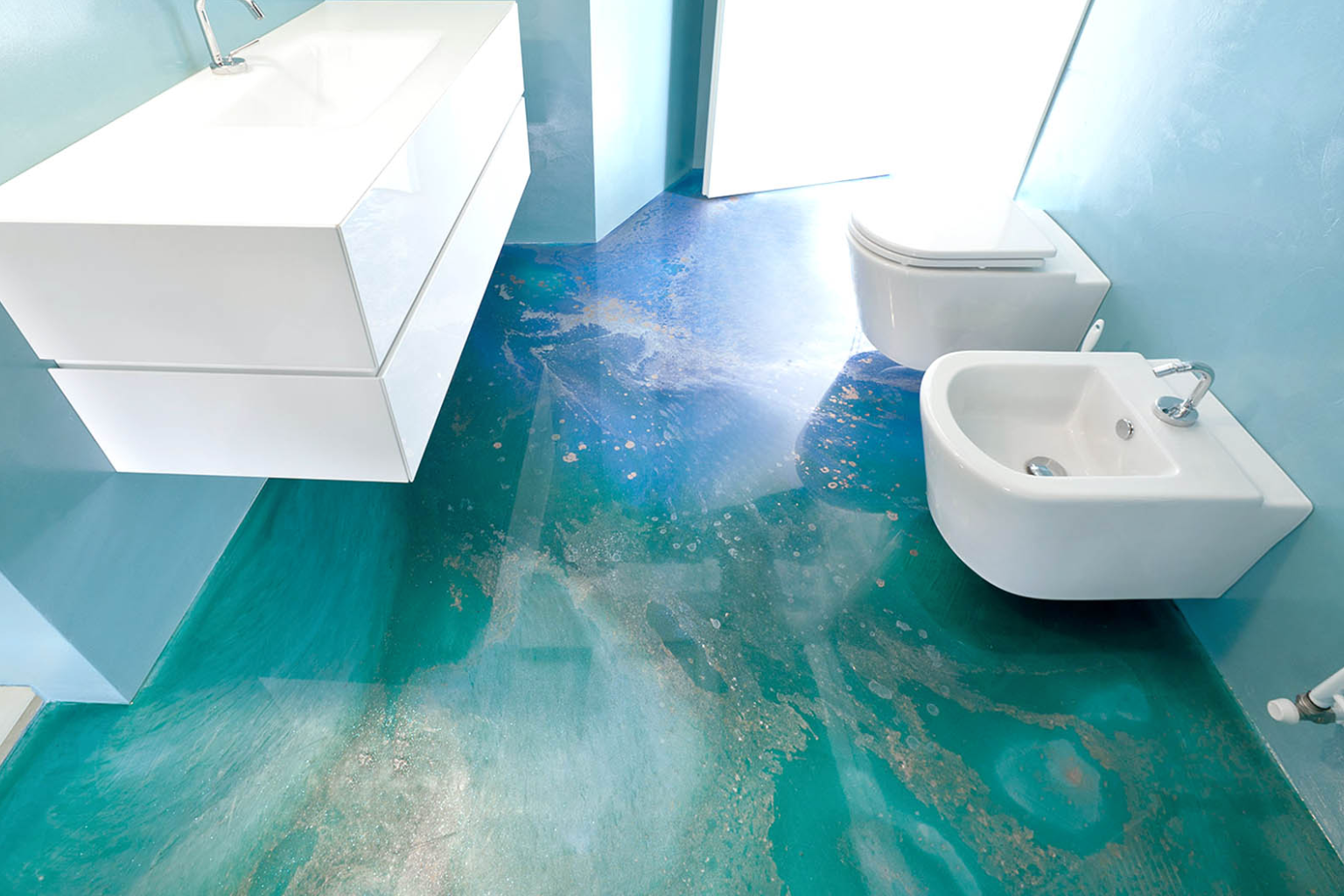
Epoxy flooring is considered to be a long-term investment and not merely an initial outlay of cash. Its extensive lifespan and minimal upkeep make it suitable for numerous bathrooms. The assessment of long-term value gives an idea of how much one could possibly save in the future.
Durability and Lifespan
The characteristics of epoxy flooring are strength and the ability to resist constant moisture, which makes it perfect for a bathroom. It will not only stand the test of time but also bring proper installation; it will be a hard and seamless surface, and water will not be absorbed. This will, in turn help prevent the occurrence of cracking, swelling, and mold growth, etc., over a long period of time. With just simple maintenance, the appearance of the epoxy floor can last for many years and still look as good as new.
In most residential situations, the lifespan of epoxy flooring in a bathroom is between 10 and 20 years. It withstands the daily use, water, and cleaning products all around it. Traditional flooring options do not perform the same way. Epoxy resists stains and surface damage, making it a reliable long-term investment.
Epoxy’s durability is granted by the following main benefits:
- A surface that is strong and resistant to impact
- Water and moisture barriers that are excellent
- Invulnerability to stains, cracks, and peeling
- A long-lasting, gleaming appearance
Cleaning and upkeep expenses
One of the most significant benefits of epoxy flooring is that the cleaning process is so simple. The common routine includes sweeping and mopping with lukewarm water that has mild soap added to it. The reason for this is that the floor is very smooth and non-porous, so dirt and moisture will not get absorbed because they will remain on top.
Moreover, the absence of grout lines has been a major contributor to this easy cleaning. There are no gaps for mold, mildew, or dirt to build up, making cleaning easier and less frequent. Eventually, this leads to lower cleaning expenses and less hassle compared to tile floors.
Reasons why epoxy maintenance is so cheap:
- Washing with soap and water is the only cleaning required
- No grout lines that need scrubbing or sealing
- Fewer repairs during the lifespan of the floor
- Extremely low long-term maintenance costs. In the long run, the maintenance costs are very low.
Epoxy vs Tile and Vinyl
Generally, epoxy flooring has better value than tile and vinyl in bathrooms in the long run. A tile floor constantly demands resealing and grout cleaning for maintenance, which will lead to high costs. Moreover, sometimes, the floor will have to be taken apart for the damaged grout or cracked tile to be replaced, which will result in additional water issues under the floor.
Vinyl flooring is cheaper initially, but this type of flooring is susceptible to damage in damp areas, thus requiring replacement sooner than expected. Eventually, moisture will make nature’s turn with vinyl, causing it to rise or crack. Where epoxy repels water, it lasts longer and is less costly, providing ventilation in wet areas, thus increasing durability.
The list of benefits of epoxy flooring over tile and vinyl is as follows:
- Maintenance that costs less than tile with grout
- More years than vinyl in wet conditions bathrooms
- Protection against moisture that is better
- Durability that lasts longer
Is Bathroom Epoxy Flooring a Smart Investment?
Epoxy flooring is the most economical option considering all of its qualities. Being resistant to water, very durable, and easy to maintain, it helps to lessen the overall costs in the long run. The main disadvantage is that, in comparison to vinyl or basic tile, its initial cost is higher.
Epoxy can be used in bathrooms where the application of a seamless and moisture-proof floor is necessary or where the performance of the floor is related to longevity. For extremely small bathrooms or very short-term renovations, vinyl or ceramic tile may also be less costly in the beginning and a better choice.
Cost-Saving Tips for Bathroom Epoxy Flooring
- Opt for a simple, solid color rather than going for decorative designs.
- Repair small cracks or damage early to lower prep costs.
- Seek multiple estimates from professional installers.
- Apply epoxy in off-peak seasons when prices might be lower.
- Select long-lasting materials so that you do not incur repair costs later.
Conclusion
Bathroom epoxy flooring is a durable and trendy option if one is aware of the expenses. The price varies according to the area, the preparation of the surface, and the pattern, but epoxy gives a significant lifetime value and less maintenance. Having a good plan, you would be able to make a choice that is affordable and suitable for your bathroom at the same time.
Ready to upgrade your bathroom with a smooth, long-lasting epoxy floor? Epoxy Shine delivers expert installation, quality materials, and results you can trust. Contact Epoxy Shine today to get a clear quote and bring a fresh, modern look to your bathroom.