

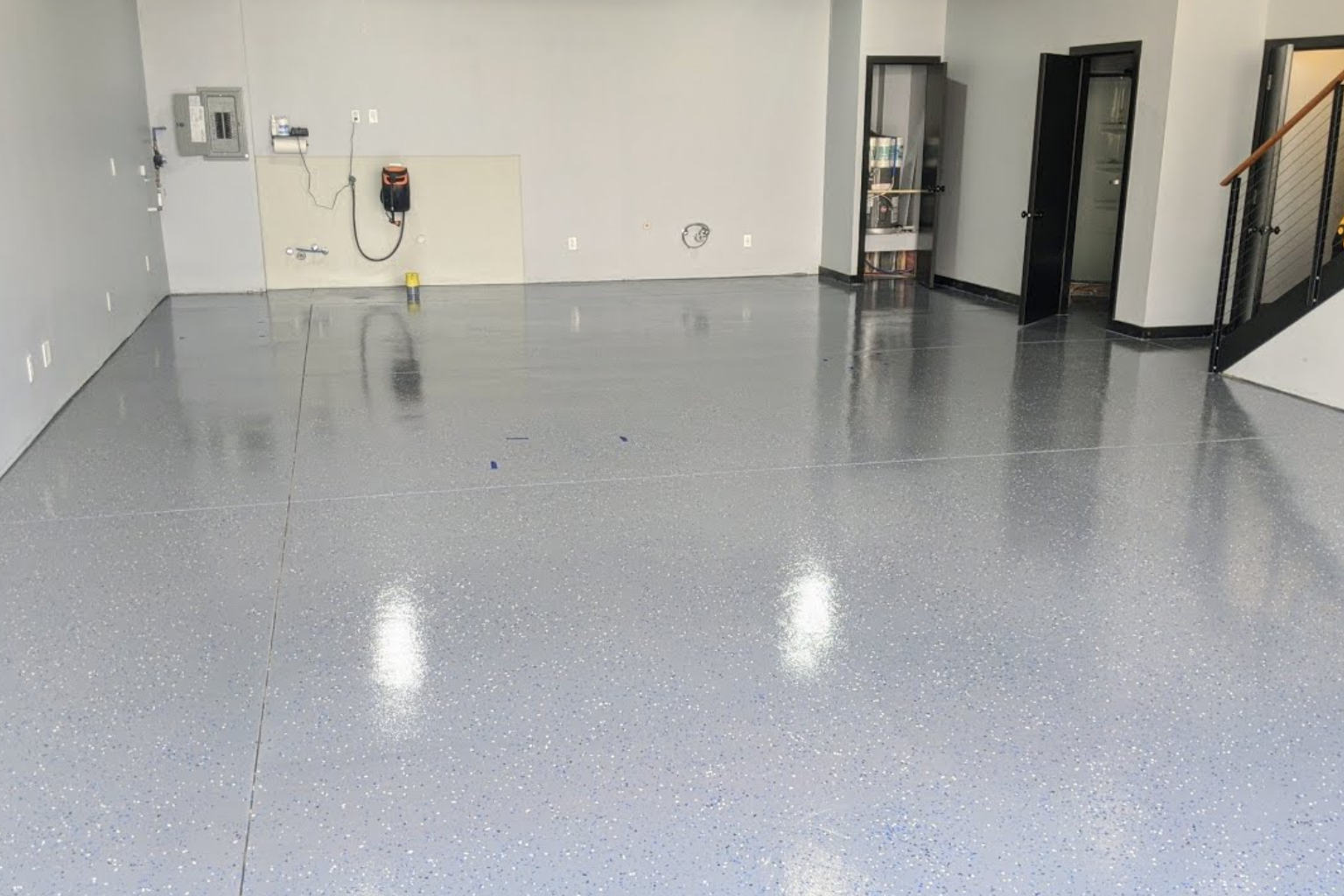
Among the floors in the house, the garage floor withstands the most wear and tear. Cars come and go. Dropping tools is a common thing. The surface remains covered with oil, dirt, and water. Eventually, the unprotected concrete gets cracks, stains, and an old look.
This is the reason why garage floor coatings are significant. A high-quality coating provides a shield to the concrete surface and makes the cleaning of the floor less troublesome. It also adds safety and provides a clean, finished look to the garage. Homeowners prefer the floors to be durable, require less care, and look beautiful every day.
There are various options available for garage floor coating, such as epoxy, polyurea, and concrete sealers, which are considered among the top coating options. Each of them provides different advantages in terms of strength, cost, and appearance. One by one, we will go through the options, and after that, we will find out which garage floor coating is appropriate for you.
Understanding Garage Floor Coatings
The garage floor coating can be thought of as a protective layer that is applied over the concrete floor. This coat helps to seal the surface and make the floor more durable. Coatings also work as a barrier against dust, stains, and moisture that can be absorbed by the concrete. They, however, beautify the garage and make cleaning very easy.
Some coatings are applied to the surface of the concrete, whereas others penetrate it. The surface-level coatings provide only basic protection, but their application can be wiped off over time. The bonded coatings, like epoxy, penetrate the concrete and become a part of it. This results in a stronger floor that lasts longer and can handle heavy use better.
Epoxy Garage Floor Coatings
Epoxy is considered one of the most reliable garage floor coatings that can be found in modern homes. It is characterized by its high resistance, longevity, and hygienic finish. The main reason behind the high popularity of epoxy is that it not only seals off the concrete but also enhances the general aesthetic of the garage.
What Separates Epoxy from Others
Epoxy is produced by combining two components that become a uniform solid when cured. The result is a coating of considerable thickness that is far superior in strength when compared to paints or sealers. Upon application, epoxy creates a hard and durable layer that is able to cope with everyday activities in the garage.
The Way Epoxy Connects with Concrete
Epoxy is not only a floor coating that simply stays on top. During application, it seeps into the tiny cracks and voids in the concrete. When it hardens, it gets deeply entrenched in the surface. This very strong connection not only helps avoid peeling, flaking, and premature wear but also increases the lifetime of the coating.
Key Advantages of Epoxy Flooring
Epoxy flooring has an excellent combination of durability, beauty, and maintenance-free. It is specially made for busy garages and doing heavy duty.
Long-Lasting Strength
Epoxy floors can be extremely heavy to bear, including cars, tools, and equipment. They remain sturdy and strong with constant foot traffic and daily activity.
Resistance to Stains, Oil, and Chemicals
Oil spills, grease, salt, and chemicals can’t penetrate through the surface. This prevents the underlying concrete from getting stained and, at the same time, gives the floor a neat look.
Smooth, Polished Appearance
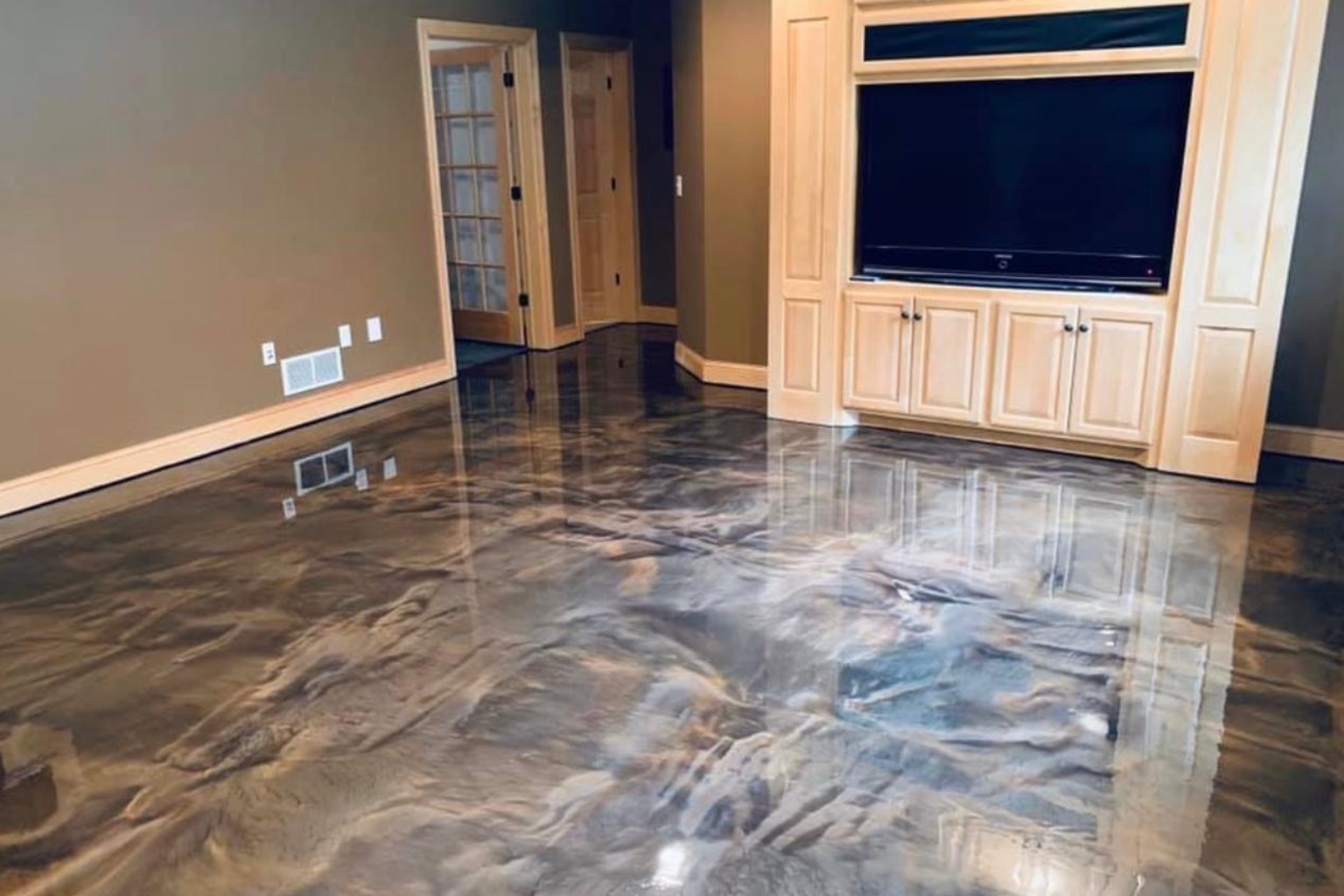
Epoxy makes the garage not only bright but also polished. It comes in a wide range of colors and finishes, the decorative flakes being one of them.
Easy Cleaning and Low Upkeep
The epoxy floors do not allow dirt and dust to get attached to them. Usually, a swift sweep or light mop is enough to keep them clean.
You can learn more about the benefits of epoxy flooring
Drawbacks
Despite the high durability of epoxy, there are still a few things that need to be taken into account before opting for it.
- Surface Prep Requirements: The concrete surface and the area to be treated also need to be cleaned. Excellent preparation extends the life of the epoxy and enhances its performance.
- Sensitivity to UV Exposure Without a Topcoat: In case there is a significant amount of sunshine in the garage, the epoxy may lose color or turn yellow. A topcoat that is resistant to UV rays aids in the protection of the finish.
Best Fit For
Epoxy is the perfect solution for garages where strong protection is a must and where a nice look is required.
- Residential Garages: Epoxy is suitable for home garages, even if they are used daily. It provides the floor with strength and does not require much effort regarding maintenance.
- Workshops and Storage Areas: It becomes a preferred choice for areas with tools, equipment, and heavy usage.
Polyurea and Polyaspartic Garage Floor Coatings
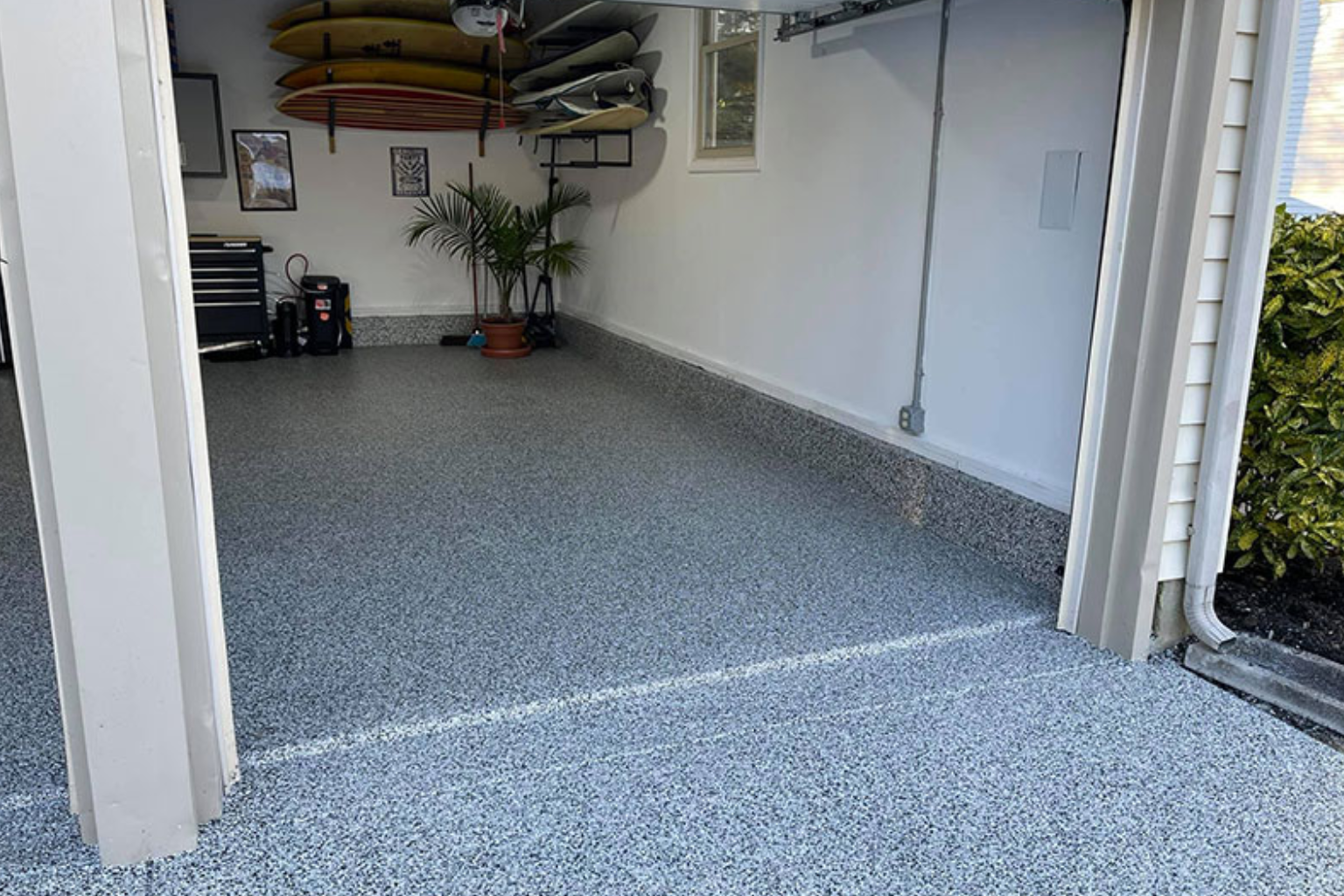
Polyurea and polyaspartic coatings are the new generation of garage floor coverings. They are famed for being fast-cured, very efficient, and producing long-lasting results. The professionals usually apply these coatings for their ability of quick and durable installations.
Overview
Polyurea and polyaspartic coatings are very sophisticated materials meant to perform at the highest level. Among their many purposes is the creation of a strong protective layer that will make concrete last longer.
Fast-Curing, Professional-Grade Coatings
These coatings are significantly quicker to cure than epoxy. Depending on the situation, it is possible that the garage will be available for use on the same day. The fact that they cure so fast also means that only skilled installers can do the application correctly.
Key Advantages of Polyurea and Polyaspartic Coatings
Polyurea and polyaspartic coatings offer many benefits for busy homeowners.
Quick Installation
The coatings are very fast in drying. Consequently, homeowners can use their garage after hours rather than days.
High Flexibility
The coatings’ elasticity helps inhibit cracks. They easily cope with the movement of concrete and changes in temperature.
UV and Moisture Resistance
Polyurea and polyaspartic coatings are sunlight and moisture-resistant. This means no fading, peeling, or water damage will occur.
Drawbacks
The coatings have some drawbacks as well, which might not be suitable for every budget or project.
- Higher Upfront Cost: The coatings are pricier than epoxy and standard sealers. The higher price reflects their performance and quick curing time.
- Professional Installation Needed: The fast curing of these coatings eliminates the possibility of DIY installation. That’s why professional equipment and skills are needed.
Best Fit For
The coatings are the most suitable for the garages where quickness and strength are the main priorities.
- Homeowners Needing Fast Turnaround: They are the perfect solution for homeowners who want little downtime and instant results.
- Garages Exposed to Temperature Changes: These coatings are great for areas with extremely hot summers and cold winters.
Concrete Paint and Acrylic Sealers for Garage Flooring
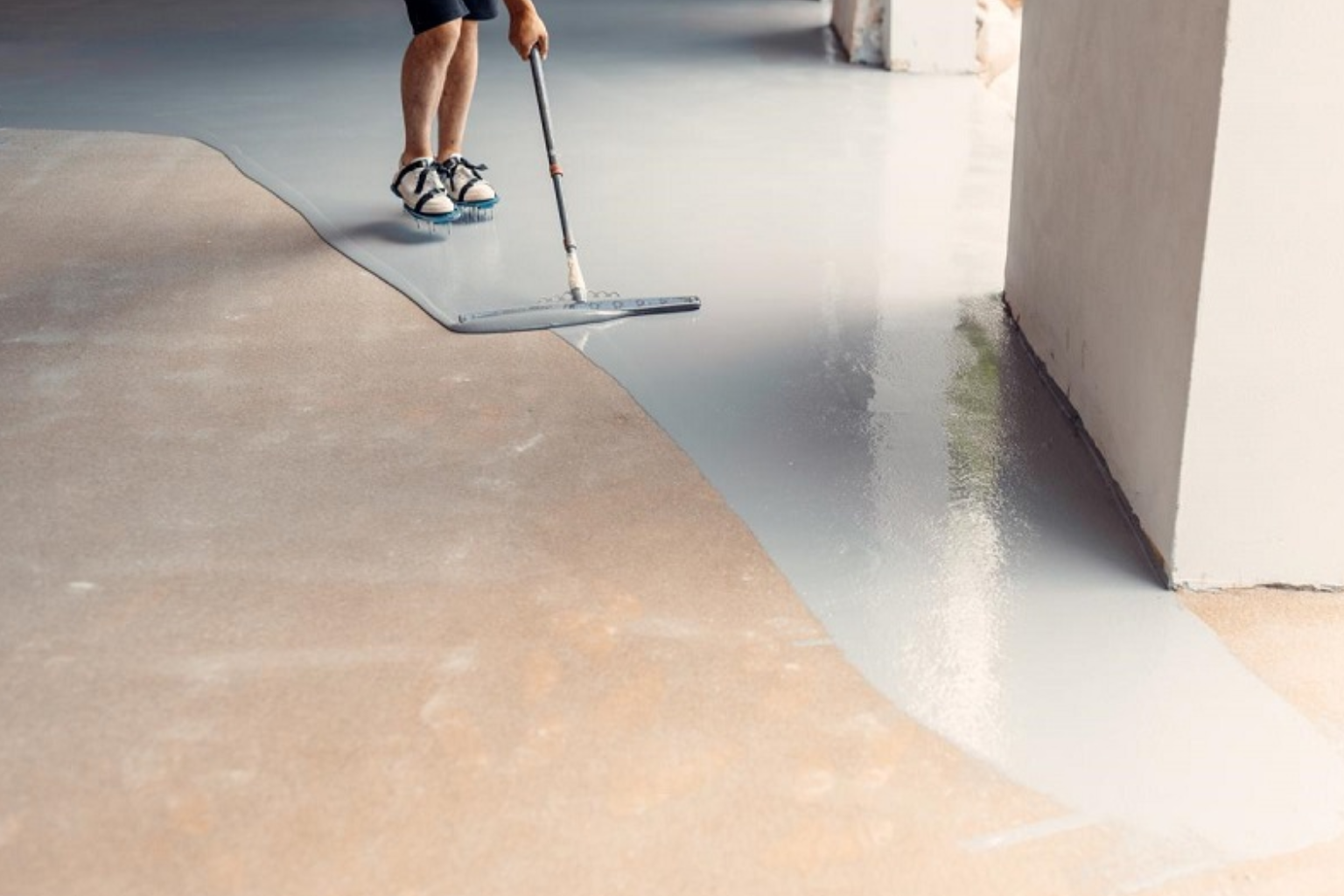
The use of concrete paint and acrylic sealers as coatings for garage floors is quite common because they are the most basic options that are also economical and easy to apply. Besides, the floor’s appearance is enhanced, but still, the protection offered is very limited.
Overview
Concrete paint and acrylic sealers are very superficial and just cover the concrete surface. They do add colored surface protection, but are very far from bonding with the floor.
Entry-Level Garage Floor Solutions
This type of coating is a perfect solution for those users who prefer a speedy and hassle-free upgrade. In fact, they are not meant for heavy-duty use or long-lasting durability.
Key Advantages of Concrete Paint and Acrylic Sealers
There are a few pros for applying concrete paint and acrylic mm sealers when it comes to simple projects.
Budget-Friendly
These alternatives are not only cheaper but also akin to plus two and three coatings. A very decent combination for the maintenance of a house on a budget.
Simple DIY Application
The majority of the concrete paints and sealers are user-friendly. Besides, it is almost every homeowner’s delight to have it done without the hassle of calling in the professionals.
Drawback
These coatings also come with some drawbacks.
- Short Lifespan: Paint and sealers lose their luster faster, giving the impression of a ready-to-be-recolor process after a relatively short time.
- Prone to Peeling and Wear: Heavy foot traffic and vehicle movement can damage floors. Moisture and heat from tires add more stress. Over time, this causes peeling, chipping, and early wear.
Best Fit For
Out of all the coatings, these come out on top only in low-demand cases.
- Light-Use Garages: They can still be found in garages where storage is the main function, or just light foot traffic is expected.
- Temporary Visual Upgrades: Concrete paint and sealers are perfect for those short-term appearance improvements.
Interlocking Garage Floor Tiles
Interlocking garage floor tiles present a demountable flooring solution. They connect to hide the cement floor. A lot of people pick them for the fast renovation and the variety of designs.
Overview
These tiles have been designed to be locked together without the use of glue or coatings. They are placed over the concrete and form a new surface.
Modular Flooring System
Interlocking tiles are available as individual units. This allows for an easy installation, replacement, or rearrangement of sections whenever necessary.
Key Advantages of Garage Floor Tiles
Garage floor tiles provide practical benefits. Like:
Easy Installation
The installation of tiles is a simple and quick method. It is not necessary to use any special tools or wait for the drying time.
Design Flexibility
Various colors and designs of tiles are available. Thus, the homeowners have the option to come up with their unique tile design.
Drawbacks
These tiles possess some drawbacks that need to be thought about.
- Moisture Trapping: The water and dirt can be trapped beneath the tiles. Eventually, this could lead to odors or concrete being damaged.
- Uneven Surface Over Time: Heavy usage can cause the tiles to move or get loose. Consequently, unevenness in the floor can result.
Best Fit For
Interlocking tiles are ideal for garages that are mainly for aesthetics, rather than heavy use.
- Decorative Garages: They can be considered the best options for garages that are either for display or light activities.
- Showroom-Style Spaces: The tiles can be placed in car showrooms or hobby areas where appearance is the top priority.
Epoxy vs Other Garage Floor Coatings: Comparison
When choosing a garage floor coating, it’s important to compare epoxy with other options. Factors like durability, cost, installation, appearance, and maintenance can help you decide which coating works best for your garage.
Cost
Epoxy may be a bit pricier upfront, but it provides long-term value as it is durable and requires less frequent repairs. Other coatings, when compared to the cost of epoxy garage flooring, may be cheaper initially, but the costs can pile up due to the need for frequent touch-ups.
Installation Time
The time taken to cure and installation of epoxy flooring is longer when compared to some other methods. Polyurea and polyaspartic coatings are fast-drying, while paint and tiles can be quickly installed.
Appearance
Epoxy achieves a sleek, shiny, and very professional-looking finish. Other coatings may look good at first. Over time and with use, they can lose their color and finish.
| Feature | Epoxy Coating | Polyurea/Polyaspartic Coatings | Acrylic Sealers | Concrete Paint | Interlocking Floor Tiles |
| Durability | Very high, resists heavy use | High, flexible, and strong | Medium, wears faster | Low, peels easily | Medium, tiles can shift |
| Cost | Moderate, long-term value | High, more expensive upfront | Low, budget-friendly | Very low, cheap DIY | Moderate, depends on style |
| Installation Time | Moderate to long, requires curing | Very fast; quick curing | Fast; easy to apply | Fast, simple DIY | Very fast, no adhesive needed |
| Appearance | Smooth, glossy, professional | Smooth, can be glossy | Basic finish | Can look nice, but it fades | Decorative, less seamless |
| Maintenance | Easy to clean, low maintenance | Easy, low maintenance | Needs reapplication | Needs frequent touch-ups | Easy, remove tiles for cleaning |
Why Epoxy Is a Popular Choice for Garage Floor
Epoxy is among the top selections due to its amazing properties like strength, durability, and longevity. It is not affected by stains, water, or extreme conditions. Moreover, it contributes a neat and shiny appearance to the floor. A lot of homeowners decide to use epoxy for its easy upkeep and aesthetic appeal. It is suitable for residential as well as industrial garages.
Conclusion
Coatings for garage epoxy floors combine the best characteristics of durability, aesthetics, and upkeep. Although different coatings have their respective merits, the epoxy coating is the one that has the longest life, best performance, and value. By selecting a suitable coating, you will have a garage that is both protected and beautiful for a long time.
Ready to upgrade your garage floor? Contact Epoxy Shine today for a professional epoxy installation that lasts.
FAQs
What is epoxy garage floor coating?
Epoxy garage floor coating is a mix of resin and hardener that forms a strong, durable surface over concrete. It protects the floor from stains, moisture, and heavy use.
How long does epoxy flooring last?
With proper installation and care, epoxy floors can last 10–20 years. Their durability makes them ideal for home and commercial garages.
Can I apply epoxy myself, or should I hire a professional?
DIY epoxy kits are available, but professional installation ensures a smooth, long-lasting finish and avoids peeling or bubbles.
How do epoxy floors compare to other coatings?
Epoxy is more durable, easier to maintain, and offers a polished look compared to paint, acrylic sealers, or floor tiles. Other coatings may be cheaper but wear out faster.
How do I clean and maintain a garage epoxy floor?
Epoxy floors are easy to clean. Sweep or vacuum regularly and wipe spills with water or a mild cleaner. Avoid harsh chemicals that can damage the surface.