

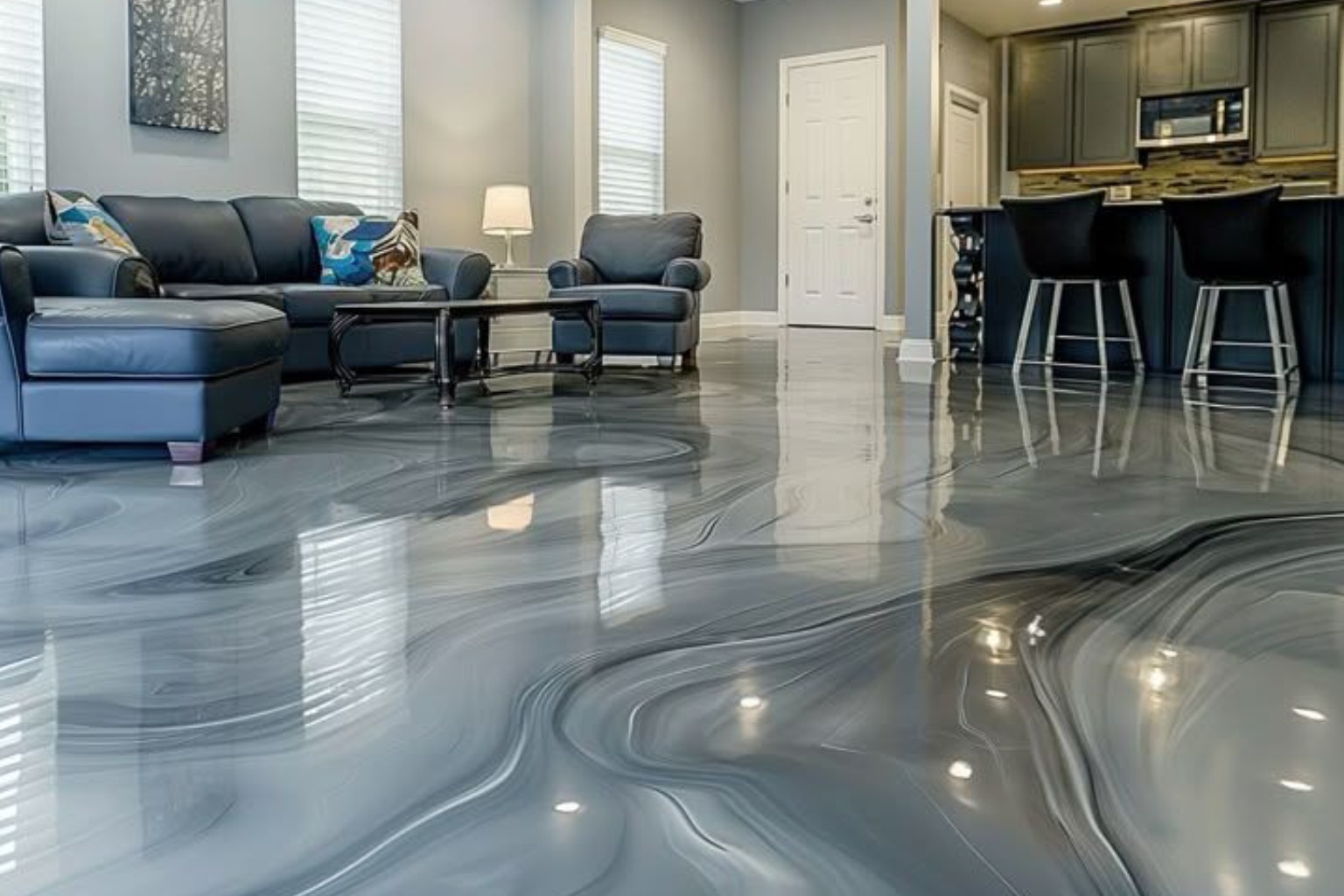
People now choose epoxy flooring as their preferred flooring option for their residential spaces. The material provides three main benefits, which include its durability, its shiny appearance, and its simple maintenance. The product appeals to many customers because it provides long-lasting performance and a fashionable design.
Homeowners select epoxy flooring for living rooms because it represents their most preferred flooring option. The product creates a contemporary aesthetic that enhances the brightness of your living space. You can pick many colors and designs to match your style. Epoxy floors provide three essential benefits, which include safety, smoothness, and protection against spills and scratches.
This guide will explain what epoxy flooring is and its effectiveness as a flooring option for living rooms. The study will examine its advantages, design possibilities, and installation procedures. You will also get tips on keeping it clean and looking new. By the end, you will understand everything about epoxy living room floors and how they can transform your home.
What is Epoxy Living Room Flooring?
Epoxy flooring is a coating applied to living room floors to make them strong, smooth, and shiny. The product combines two essential materials, which are resin and hardener. The two substances create a chemical reaction that transforms the liquid into a solid, durable material. Your living room floor exhibits a long-lasting performance that endures multiple years without any signs of cracking, chipping, or fading.
Homeowners choose epoxy for their residential floors because the floors require minimal upkeep while providing their living rooms with a contemporary, fashionable appearance.
Epoxy can be applied over many types of floors, but it works best on concrete surfaces. The application process creates a protective layer that stops water and stains while handling heavy foot traffic. Homeowners choose epoxy for living rooms because it offers them practical benefits and aesthetic appeal.
Composition of Epoxy Flooring
Epoxy flooring has two main parts:
- The floor base is constructed using resin, which serves as the primary component.
- The hardener establishes strong and solid growth through its reaction with resin.
- The material becomes durable and permanent after the mixing process. The material maintains its polished appearance even under intense usage.
- Certain epoxy floors display design elements through their use of colors, patterns, and textured surfaces.
Types of Living Room Epoxy Floors
There are different types of epoxy floors you can choose for your living room. From these types, you can select the most suitable option for your living room because each variety presents distinct visual and sensory characteristics:
Solid Epoxy Flooring
Solid epoxy flooring uses a single, uniform color to create a smooth and polished surface. This type of epoxy floor is ideal for living rooms that need a clean, modern, and minimal appearance. Solid epoxy floors are easy to maintain and work well in both small and large living rooms.
Metallic Epoxy Flooring
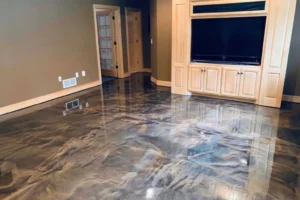
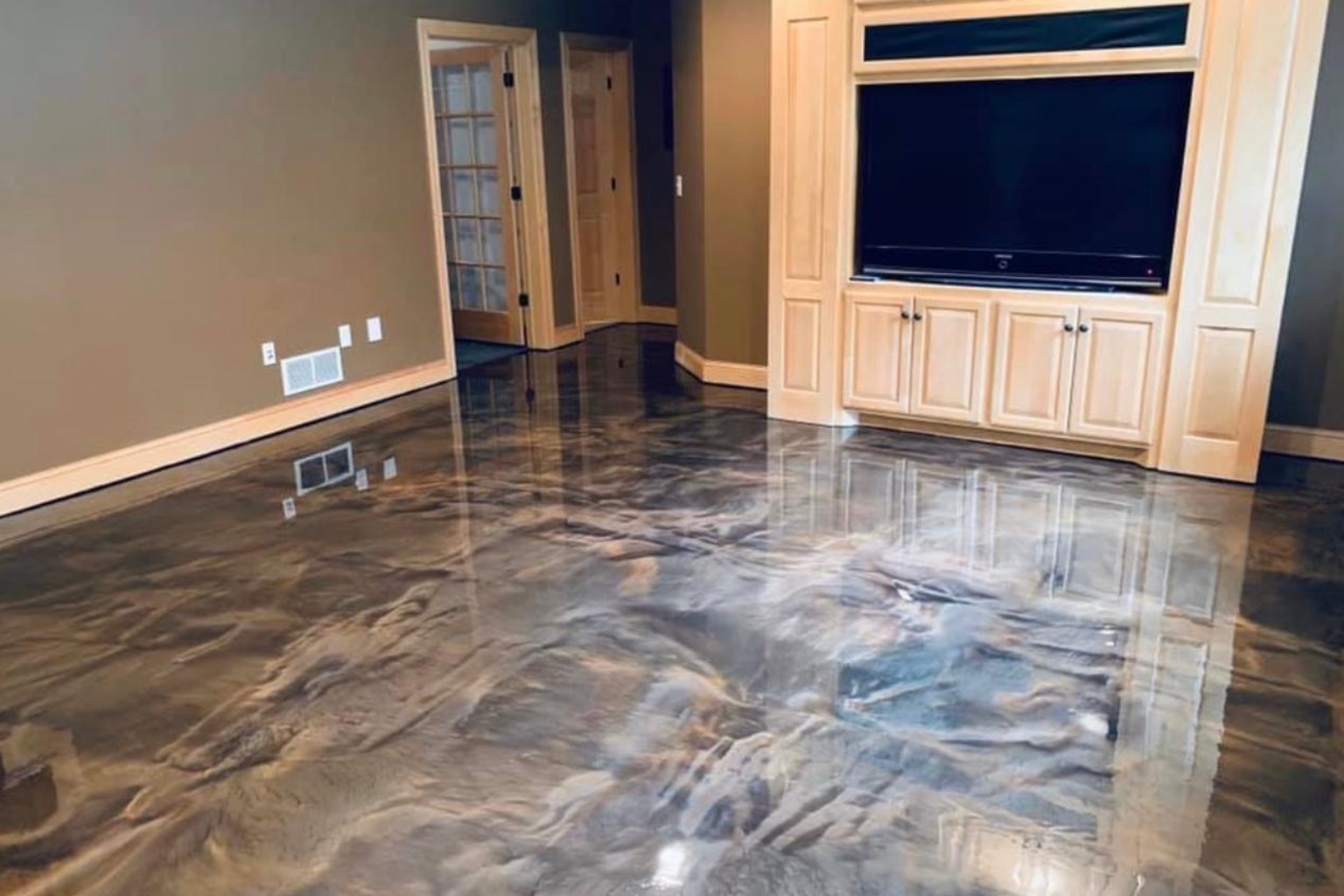
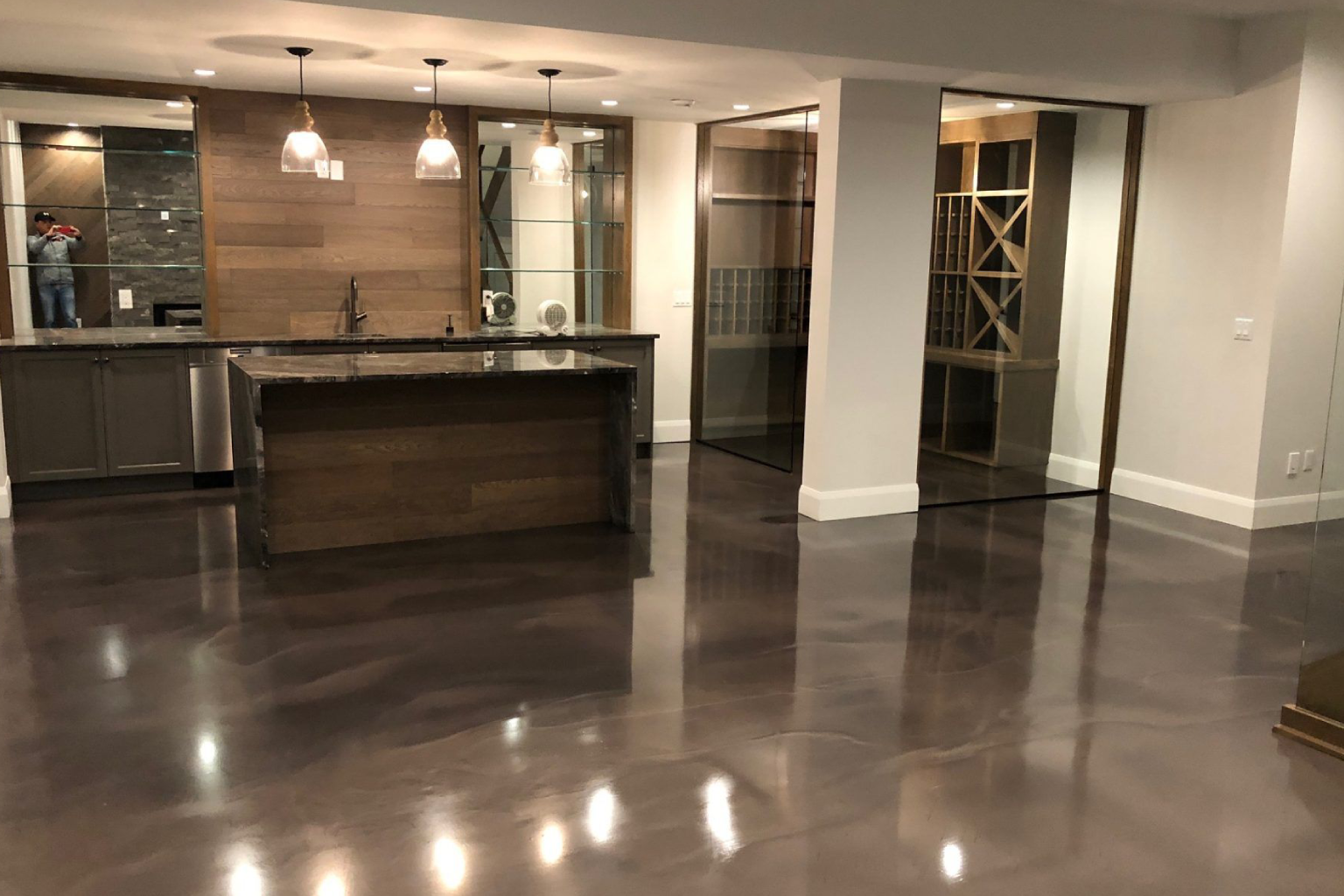
Metallic epoxy flooring features reflective pigments that create flowing, marble-like patterns. These epoxy floors add depth and movement, making them a popular choice for modern and luxury living room designs. Metallic epoxy floors perform best in areas with good natural or artificial lighting.
Decorative Epoxy Flooring
Decorative epoxy flooring allows custom designs, patterns, or logos to be embedded into the floor. This type of epoxy floor is perfect for homeowners who want a personalized living room floor that stands out. Decorative epoxy floors combine visual appeal with long-lasting performance.
Self-Leveling Epoxy Flooring
Self-leveling epoxy flooring is applied in layers to create a perfectly flat, glossy surface. This epoxy floor type delivers a seamless and elegant finish that looks consistent across every corner of the living room. It is especially useful for correcting uneven concrete surfaces.
Flake Epoxy Flooring
Flake epoxy flooring includes decorative vinyl flakes broadcast into the epoxy coating. These flakes add texture, color variation, and slip resistance, making flake epoxy floors both stylish and practical for living rooms. This option works well in homes that want durability with a slightly textured look.
Quartz Epoxy Flooring
Quartz epoxy flooring combines colored quartz grains with epoxy resin to create a textured, visually rich surface. Quartz epoxy floors offer excellent grip, durability, and a natural stone-like appearance, making them a strong choice for high-traffic living rooms that still need an elegant finish.
Benefits of Epoxy for Living Room Over Traditional Floors
There are several benefits of epoxy flooring for living rooms, when compared to wood, tile, or carpet. That’s why epoxy is an intelligent option for living room flooring spaces. The system provides attractive design elements that function effectively in environments with families and children, and pets:
- The material maintains its integrity over multiple years of use without showing any cracks or peeling.
- The surface enables users to clean the area quickly because they can remove all types of debris with little effort.
- The product offers numerous color and pattern options, which enable users to create designs that fit their home.
Why Choose Epoxy for Your Living Room?
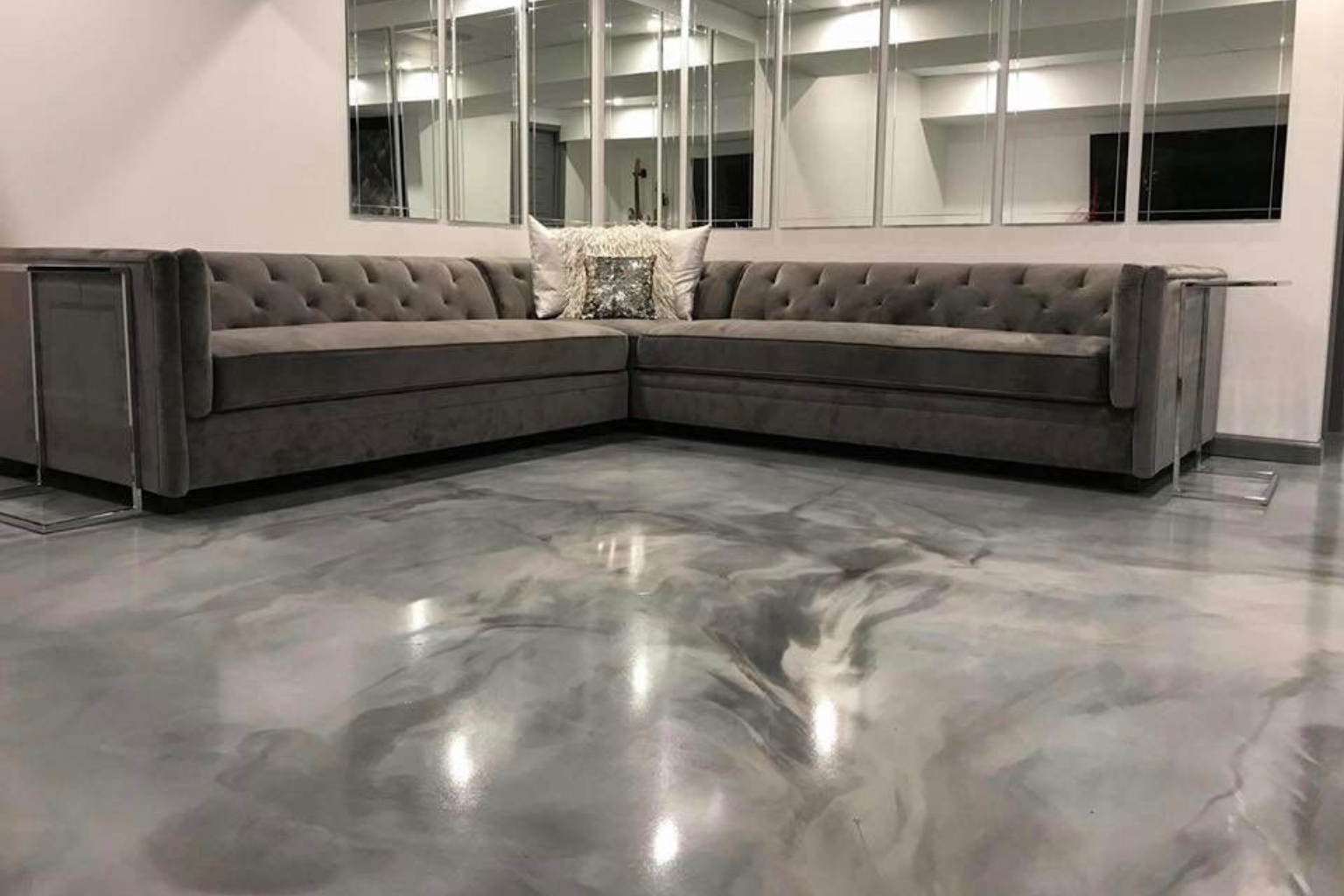
Epoxy flooring serves as a durable flooring solution that suits contemporary home designs. The material has been developed to withstand everyday usage. The material protects against scratches, stains, and cracks. The material functions as an ideal solution for areas with high foot traffic. The material shows high resistance against damage from furniture movement and foot traffic. A living room epoxy floor lasts for many years with proper care.
Epoxy floors provide exceptional ease of maintenance. The surface prevents dust and dirt from penetrating its deeper layers. A simple sweep or mop keeps the floor clean. The process requires no powerful cleaning products or polishing activities. It makes daily cleaning quick and easy.
Epoxy also adds great visual appeal. The surface displays a smooth, glossy texture. The design creates a contemporary living room space that appears bright. The system provides a wide selection of colors and patterns. Custom designs can match your home style. The system includes metallic and marble effects, which create a distinctive appearance.
Safety is another big benefit. Epoxy floors can be made slip-resistant. This helps reduce the risk of falls. The surface functions as a hypoallergenic material. It resists dust, pollen, and pet hair buildup. This creates a healthier indoor space for families.
Design Options for Epoxy Living Room Floors
Epoxy flooring gives modern homes many design options. The first option allows you to pick between solid colors, which create a basic and elegant appearance. People use neutral colors because they produce a tranquil environment. The use of bright colors demonstrates which elements people want to display in their work. Metal finishes have emerged as a widely embraced trend.
The metallic effects generate a bright, flowing appearance that exudes luxury and fashion. The addition of patterns enables the floor to achieve distinctiveness through its unique design.
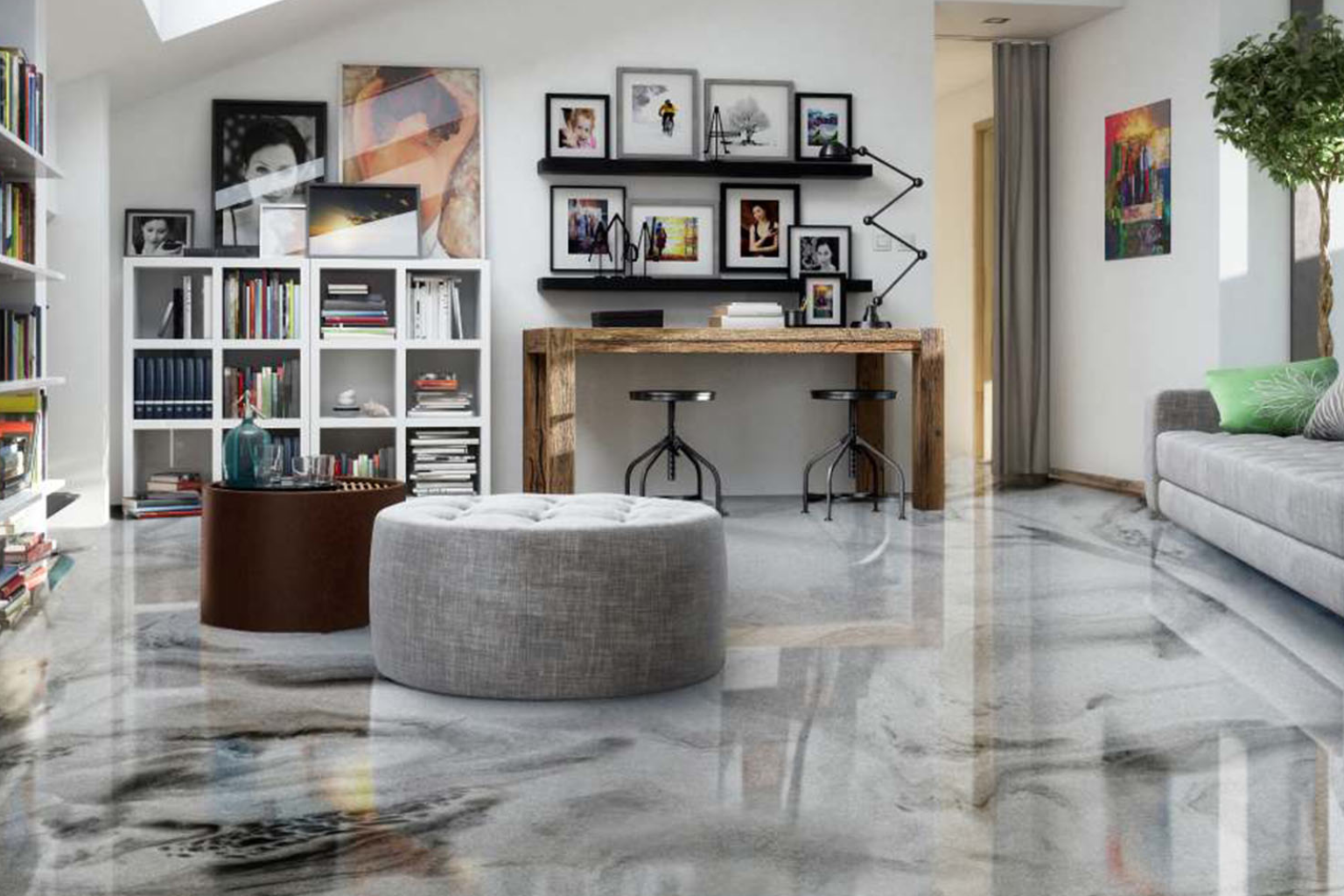
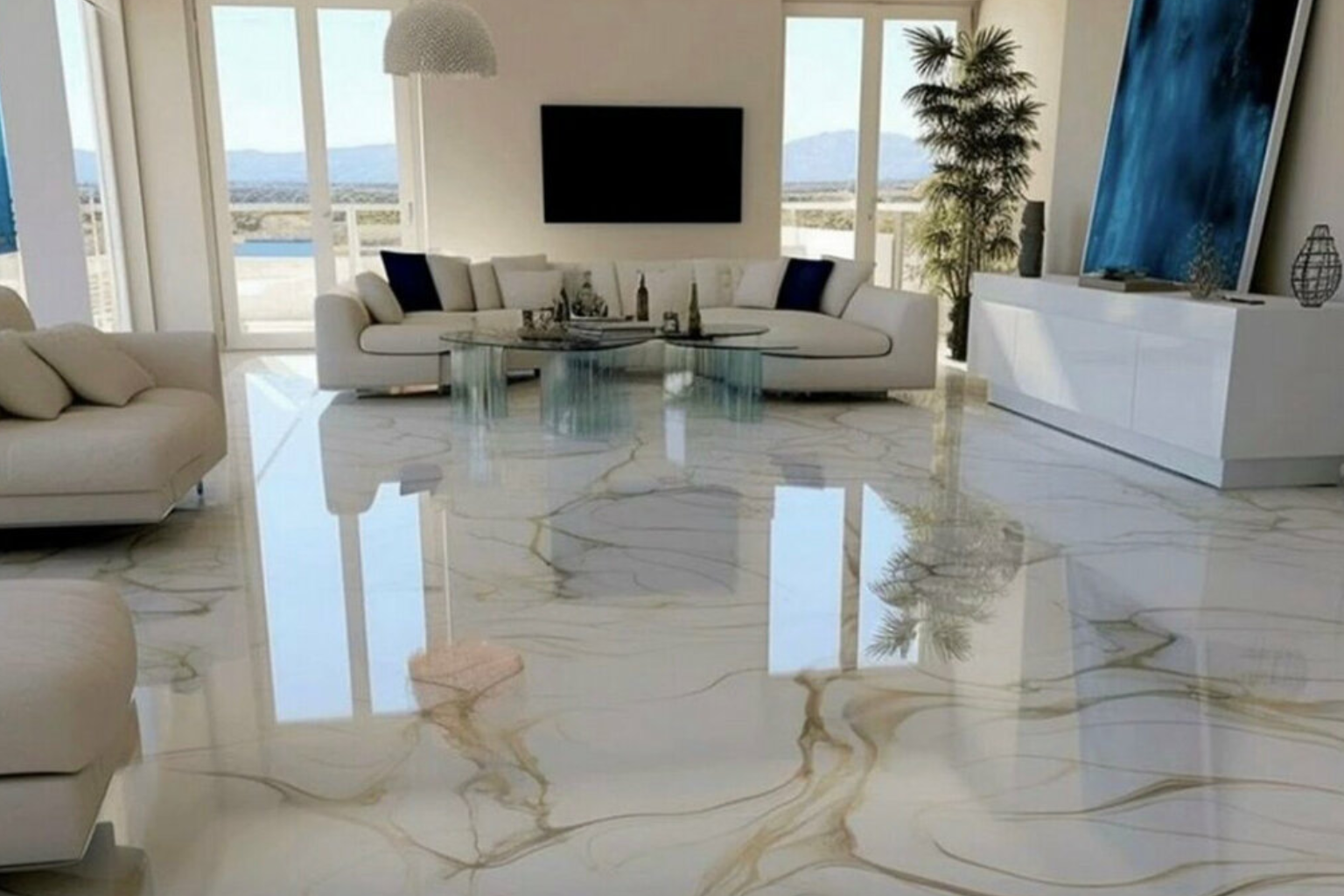
The epoxy living room floor system enables users to create floors that mimic the appearance of natural materials. The material can be transformed to resemble marble, stone, and concrete. The designs create a luxurious appearance that remains affordable for customers. The surface maintains its smoothness while creating an unbroken appearance. The material needs minimal maintenance compared to genuine stone or marble.
People who use epoxy flooring in their living room can display their unique personal style while creating a surface that is both practical and visually striking. With Epoxy Flooring Good for a Living Room, homeowners have the freedom to incorporate custom designs, patterns, and decorative themes that reflect their personality. Some prefer clean, basic textures for a modern and minimal look, while others choose elaborate artistic finishes such as metallic effects or decorative flake blends. Epoxy flooring allows you to select colors, gloss levels, and visual effects that complement your furniture, wall décor, and lighting. This design flexibility helps the living room achieve a cohesive, stylish appearance while maintaining durability and easy maintenance. Ultimately, epoxy flooring allows you to create a space that truly reflects your personal style.
Maintenance Guide for Epoxy Flooring in Living Room Areas
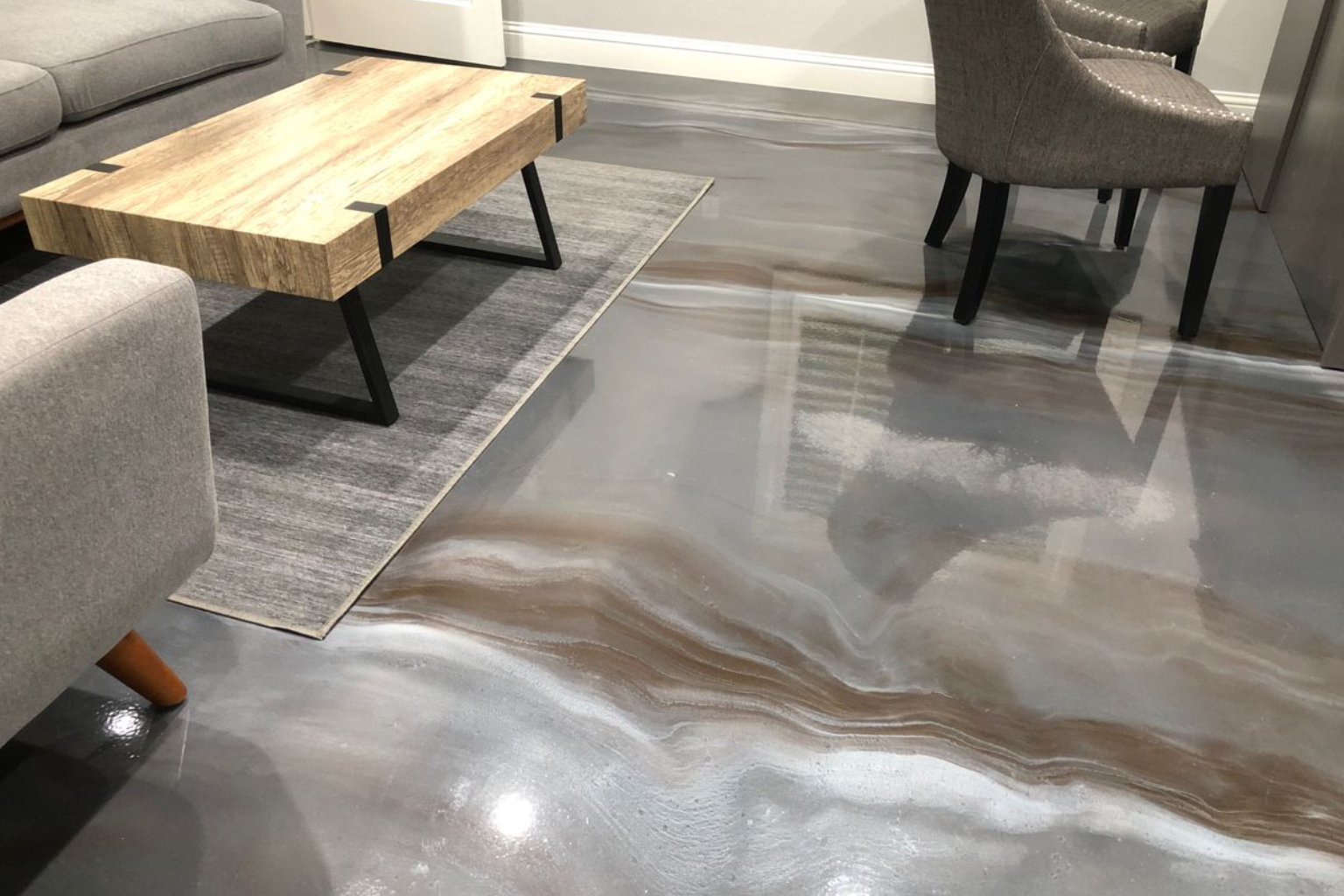
Epoxy floors require proper maintenance to maintain their aesthetic appeal and structural integrity for multiple decades. Your living room floor will maintain its clean appearance and its shiny glow, and its connection will remain intact through your daily cleaning activities.
Daily Cleaning Procedures
The process of daily cleaning requires only a short amount of time and minimal effort. A soft broom provides an effective method for sweeping the floor for dust and dirt removal. The microfiber mop provides superior cleaning results compared to other methods. The floor requires mopping with warm water and mild floor cleaner for thorough cleaning. The use of harsh chemicals should be avoided because they cause surface dullness. Your regular cleaning schedule maintains the fresh appearance of your living room epoxy flooring while keeping its smooth texture.
Dealing With Stains, Scratches, and Minor Damage
You must immediately clean up spills because they create permanent marks on surfaces. The best method for removing stains requires a soft cloth combined with a gentle cleaning agent. Epoxy surfaces repel most spills because of their non-porous nature. The best method to fix small scratches on epoxy floors involves using a specialised polishing product. The use of furniture pads under chairs and tables helps to decrease the risk of scratches. Professionals can use touch-up work to fix most cases of minor damage.
Long-Term Care to Maintain Shine and Durability
The floor maintains its protective strength because of long-term care, which also keeps its glossy finish. The surface should not experience furniture dragging, which involves moving heavy items across it. Entry points should have rugs installed because they interfere with dirt and grit movement. The application of professional polishing services results in a restoration of surface shine, which allows the floor to maintain its original brightness. Your living room epoxy flooring maintains its strength and visual appeal, and comfort through proper maintenance activities.
Your floor will maintain its fresh appearance for many years when you follow these protective maintenance tips.
Pros and Cons of Epoxy Flooring in Living Rooms
Epoxy flooring provides multiple advantages for residential areas. The material requires evaluation of its benefits and drawbacks. Understanding the pros and cons of living room epoxy allows you to make an informed decision.
Advantages of Epoxy Flooring
Epoxy flooring offers a smart and stylish solution for modern living spaces. It combines strength, beauty, and easy care in one seamless surface. Many homeowners choose it for its long life and clean, polished look.
Long-Lasting Strength
Epoxy floors demonstrate exceptional durability. The material protects against cracks and stains, and normal foot traffic. The product can remain intact for extended periods when users apply appropriate maintenance.
Design Flexibility
Epoxy materials provide designers with multiple design options. Customers have the ability to select from solid color options, metallic appearances, and custom design patterns. The glossy finish creates a contemporary and tidy appearance, which enhances living room spaces.
Easy Cleaning and Care
The process of cleaning surfaces proves to be straightforward. The surface continues to hold all dust and spills. The floor maintenance requires only standard sweeping and minimal mopping to maintain its clean and shiny appearance.
Drawbacks of Epoxy Flooring
Epoxy flooring may not suit every home. The upfront cost can be higher than that of other flooring options. Installation can take several days to complete. Professional installation is often needed for the best finish.
Epoxy flooring offers many benefits, but it may not be right for everyone. Some homeowners find the upfront cost higher than that of other flooring options. Installation can also take time and often needs professional help for the best results.
Higher Initial Cost
The upfront expense of epoxy flooring exceeds that of various alternative flooring solutions. The expense rises because both materials and installation work require additional funds.
Professional Installation Needed
The success of the installation depends on the expertise of the installers. The installation process leads to bubbles and uneven surfaces when technicians execute their work poorly.
Tips to Reduce the Drawbacks
Select professionals who have established experience because they guarantee complete work success. The method protects against typical installation problems. The initial expense requires your budget planning before you start the project. Your investment should concentrate on enduring worth rather than temporary advantages. The correct maintenance procedures increase floor longevity, which makes the expenditure beneficial.
The evaluation of both advantages and disadvantages enables you to determine whether epoxy flooring suits your living room requirements.
Cost Considerations for Epoxy Flooring in Living Rooms
Epoxy flooring can fit different budgets. The ultimate expense for this project depends on multiple elements. Understanding the cost of epoxy living room floors enables you to establish better plans that protect you from unexpected situations.
Average Price Range
The average cost of living room epoxy flooring usually ranges from $4 to $12 per square foot. Basic solid-color epoxy is more affordable. Decorative styles like metallic or patterned epoxy cost more. Larger living rooms may reduce the price per square foot.
Factors That Affect the Cost
Several key factors influence the total cost of epoxy flooring. These include the quality of materials, the size of the space, the design you choose, and the condition of the existing floor. Understanding these factors helps you plan your budget better and avoid unexpected expenses.
Material Quality
The quality of epoxy plays a big role in both appearance and lifespan. High-quality epoxy lasts longer and keeps its shine for years. It also resists scratches, stains, and fading. Cheaper materials may wear out quickly and lose their finish. Premium epoxy often includes UV protection and added strength, which helps the floor stay fresh and attractive over time.
Room Size
The size of the living room directly affects the total cost. Larger rooms need more epoxy material and take longer to install. More surface area also means more preparation and labor time. Smaller living rooms usually cost less because they require fewer materials and less work.
Design Complexity
Design choices can change the final price a lot. Simple, solid-color designs are more affordable. Decorative options like metallic finishes, flakes, or custom patterns cost more. These designs need extra layers, careful application, and more time. The higher the level of detail, the more expensive labor costs.
Surface Preparation
Good surface preparation is essential for long-lasting results. Floors with cracks, uneven areas, or damage need extra repairs. This may include leveling, filling cracks, or grinding the surface. These steps increase the overall cost but help the epoxy bond properly. Proper preparation ensures the floor looks better and lasts longer.
The Installation Process of the Living Room Epoxy Floor
The procedure for installing epoxy flooring in living rooms requires both detailed planning and exact execution of its necessary steps.
DIY vs Professional Installation
You can choose to install epoxy flooring yourself or hire a professional. DIY saves money at the beginning, but needs people to have special abilities and pay attention to details. The higher expenses of professional installation provide customers with an enduring and seamless appearance. Your choice between options depends on your available funds, your skill level, and your desired appearance for your living room.
DIY Installation
DIY epoxy kits are cheaper upfront. When the design is very detailed, the cost of labor shall be proportional to that. The price may go up to the range of $2 to $5 per square foot. The installation process can create peeling or bubbles when mistakes happen. The cost of repairs will increase your expenses for the entire time.
Professional Installation
A professional epoxy flooring installer ensures smooth and durable results. The costs for their services range between $6 and $12 for each square foot. They handle preparation, application, and curing. This option saves time and reduces risk.
Step-by-Step Installation Process of Epoxy Living Room Floor
The different stages of the project work together to create a durable floor that remains intact for many years.
1. Preparing the Subfloor
The process starts with preparing the subfloor. The surface must be clean and dry. All dust and grease, together with old coatings, must be removed completely. The process starts with repairing all cracks and holes to establish an even base. The flooring team uses its equipment to create a level surface, which prevents any future bumps or uneven areas. A primer is applied as the next step of the process. The primer enables proper epoxy adhesion while enhancing the product’s durability.
2. Applying the Epoxy Layers
The application of epoxy layers begins after the surface achieves its required condition. The base coat goes on first and is spread evenly across the floor. The current phase allows for the application of decorative elements, which include colors, flakes, and metallic effects. The second coat follows the base layer setting to provide additional strength to the structure. The application of a transparent topcoat enhances surface shine while safeguarding the surface against damage.
3. Curing Time and Finishing Touches
Curing time is very important. The floor needs time to harden and settle properly. Light foot traffic becomes possible after 24 hours. The process of complete curing requires multiple days to complete. The finishing touches occur after the material has cured. The finishing touches may include slip-resistant additives or a final seal that provides extra protection and gloss.
| Option | Average Cost per Sq. Ft. | Pros | Cons |
| DIY Epoxy Flooring | $2 – $5 | Lower upfront cost, flexible timing | Risk of errors, less durable |
| Professional Installation | $6 – $12 | Long-lasting, smooth finish, expert work | Higher initial cost |
| Basic Solid Epoxy | $4 – $7 | Affordable, clean look | Limited design options |
| Decorative / Metallic Epoxy | $8 – $12 | Premium look, custom designs | Higher material and labor cost |
Conclusion
The modern living room space benefits from epoxy flooring because it combines strength and durability with an attractive, clean, and smooth design. The flooring system requires minimal effort to keep clean while providing suitable performance for households with high foot traffic. The design of an epoxy floor system provides a complete transformation of your home space. The product provides long-term benefits when it is installed through correct procedures in all service areas.
Ready to upgrade your living room with a sleek epoxy finish? Choose Epoxy Shine for expert installation, premium materials, and stunning results.