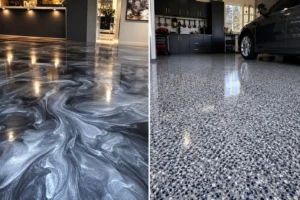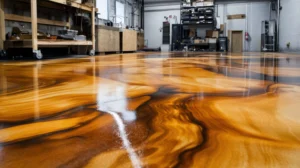

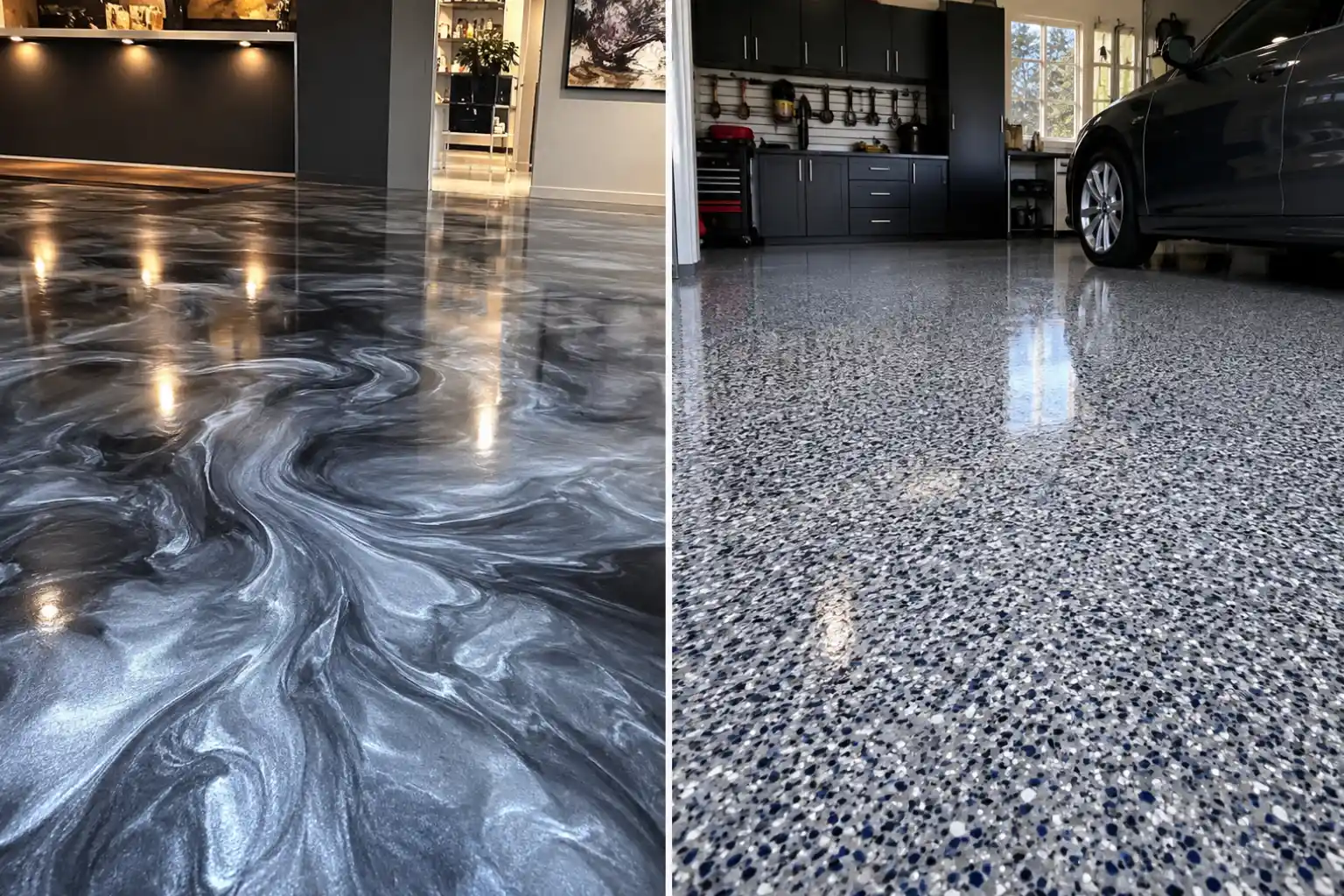
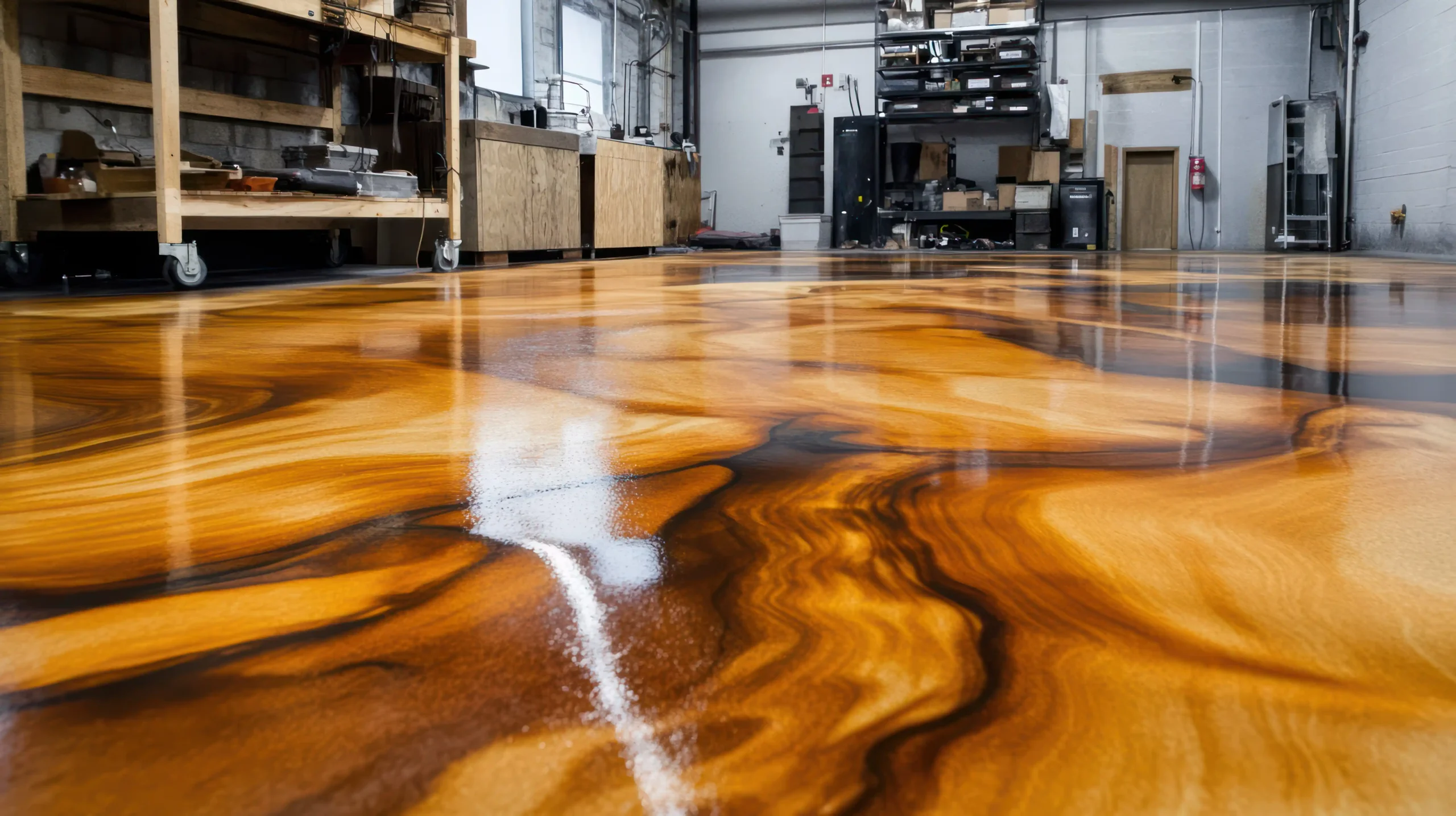
Most homeowners and businesses considering a floor upgrade select quartz epoxy for its combination of durability, elegance, and simple maintenance. This informative guide covers everything you require to know regarding how much quartz epoxy flooring costs and aids you in planning your budget confidently.
The quartz epoxy flooring price differs depending on surface preparation, epoxy base, quartz blend, and protective topcoat. On average, quartz epoxy flooring costs $8 to $12 per square foot installed. For instance, a two-car garage of 400 sq. ft. generally ranges from $3,200 to $4,800. This comprises primer, epoxy base, quartz broadcast, and topcoat. Quartz epoxy offers a smooth surface that is robust than basic epoxy and more budget-friendly than superior metallic finishes.
Let’s find out the factors that influence quartz epoxy floor cost, common mistakes to avoid, maintenance tips, and ways to get the best value for your investment.
What is Quartz Epoxy Flooring?
Quartz epoxy flooring is a smooth system that combines high-performance epoxy resin with colored quartz granules. The quartz particles create a surface that is long-lasting and captivating. Available in different colors and sizes, these floors can be personalized to match the design and practical requirements of residential, commercial, or industrial spaces.
There are a couple of versions for quartz epoxy. Screed flooring generally features a 4–5mm trowelled finish, making it appropriate for high-traffic areas. Layered systems consist of one or more epoxy layers with quartz scattered throughout. This enhances durability and offers slip resistance. Both versions, when installed adequately, deliver lasting strength and efficient performance.
Applications of Quartz Epoxy Flooring
Quartz epoxy flooring functions in a broad range of spaces. Its adaptability enables it to manage heavy traffic, spills, and industrial demands while staying low-maintenance and visually appealing.
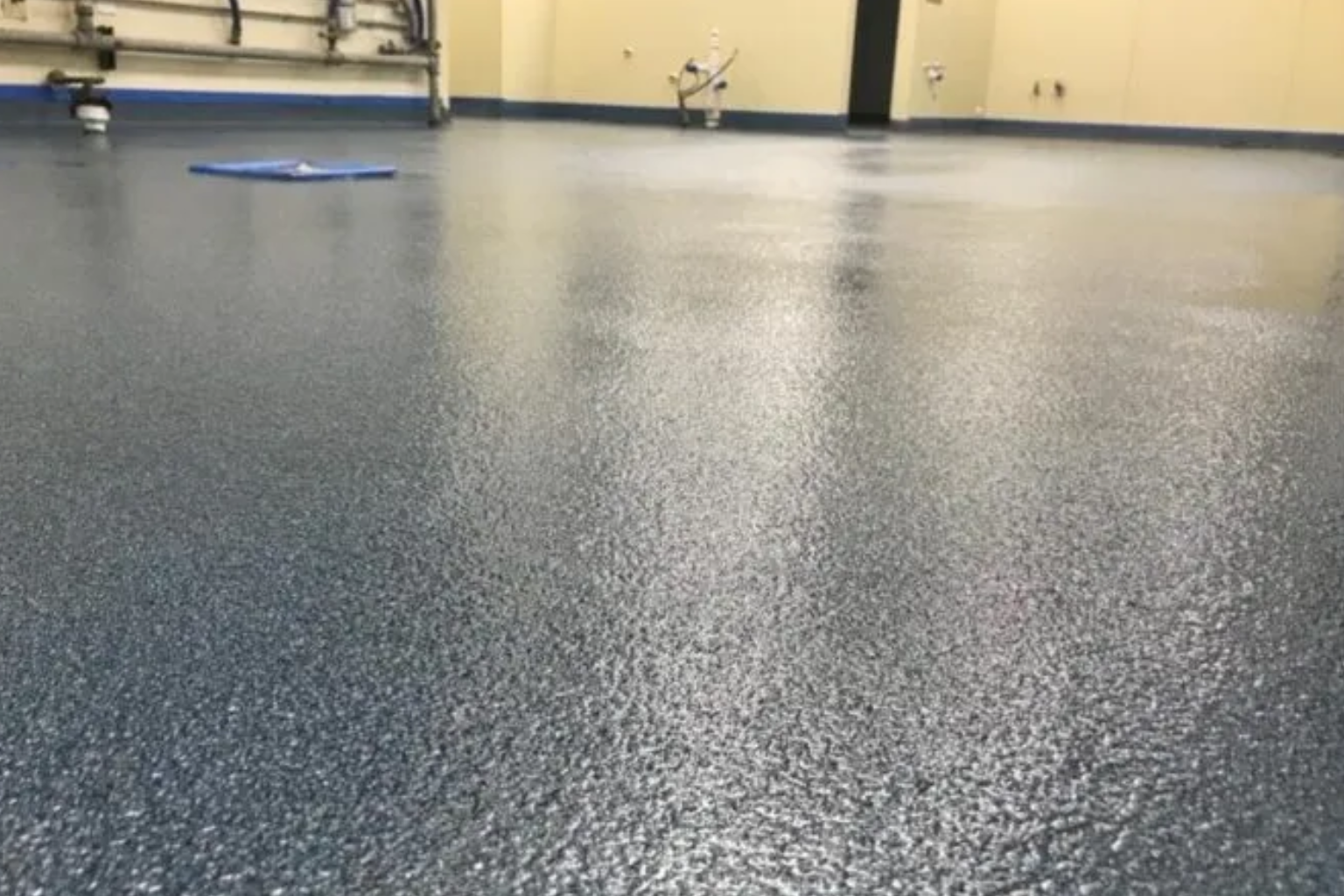
The following are a few of the different applications where quartz epoxy flooring makes a considerable impact:
Residential Spaces
Quartz epoxy floors enhance home garages, basements, and workshops. Garages withstand hot tire pickup and oil spills. Basements become moisture-resistant, tidy, and bright. These floors turn ordinary concrete into showroom-quality spots.
Commercial and Industrial Spaces
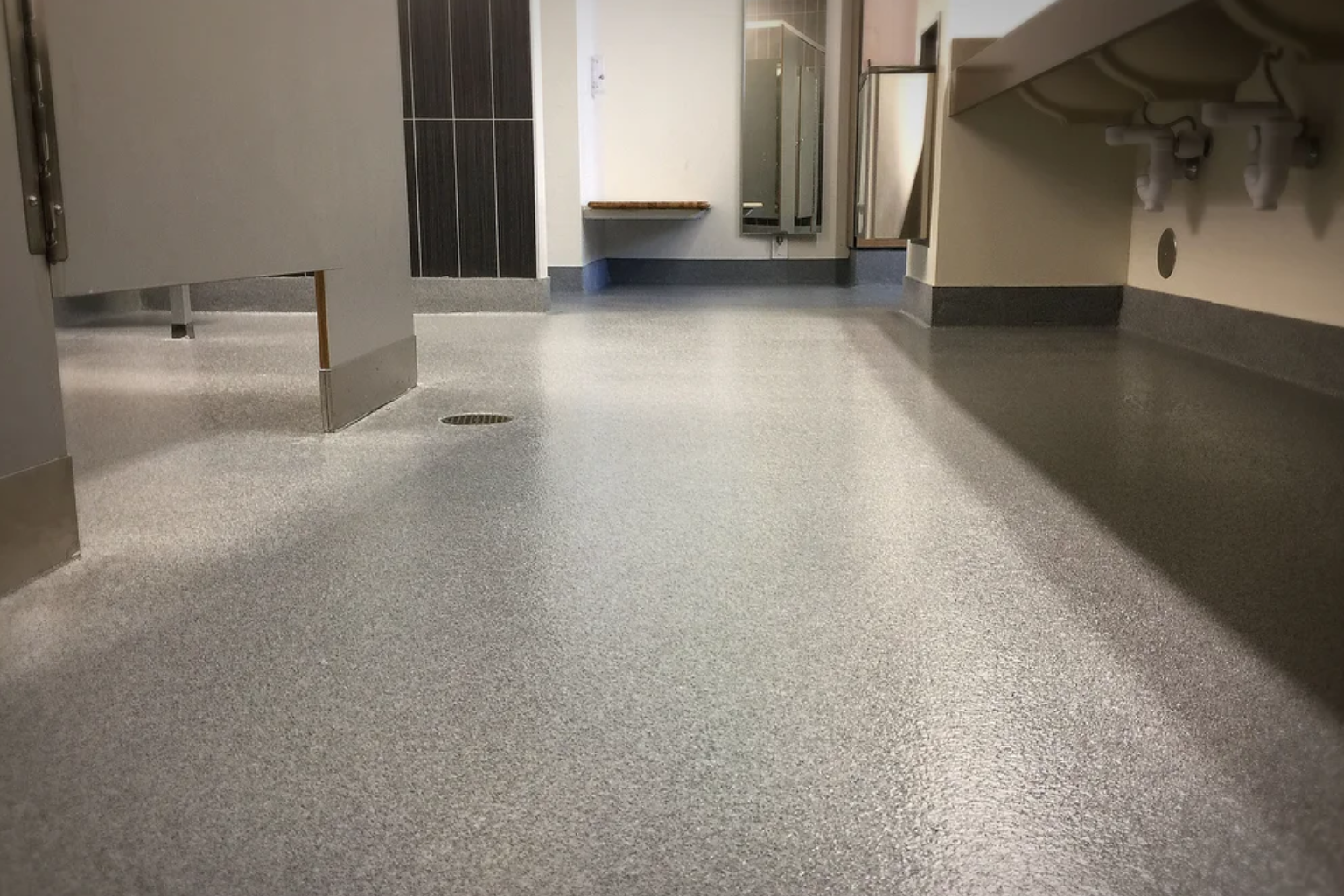
Commercial and industrial spaces in New Jersey get strength and hygiene with quartz epoxy. Hospitals, laboratories, and veterinary clinics take advantage of a smooth, sanitary surface. Commercial kitchens, breweries, and food processing areas endure chemicals and remain slip-resistant. Automotive showrooms stay spotless under heavy use.
Retail stores, schools, and hospitality venues maintain strength and aesthetic beauty. Industrial and manufacturing floors resist forklifts, heavy machinery, and chemical exposure without any harm.
Factors That Influence Epoxy Quartz Floor Cost
A vast majority of householders and business persons in New Jersey assume that there will be a fixed price for quartz epoxy. However, the truth is that there is no one-size-fits-all approach as the final price depends on a number of factors.
Let’s have a look:
Concrete Condition and Prep Work
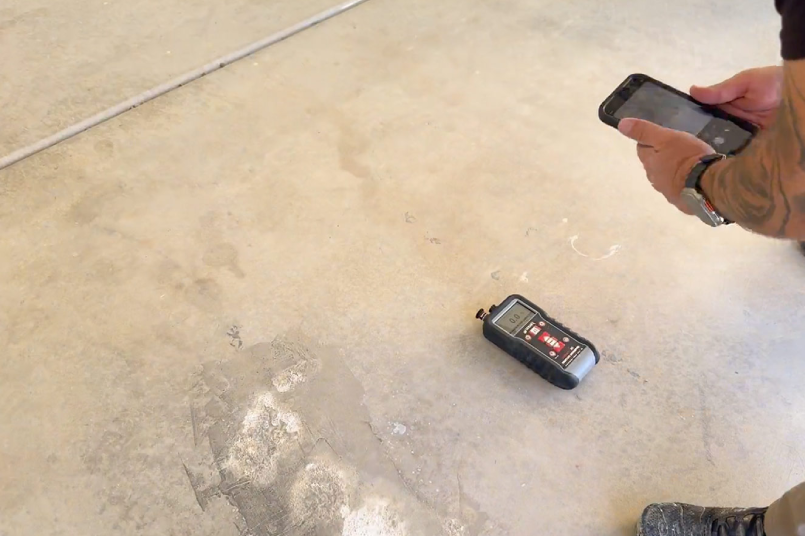
Concrete lays the foundation for the floor. Clean, level slabs require light prep, while older floors need grinding, crack repair, moisture checks, and leveling. This adds $1 to $5 per sq ft but guarantees a durable floor.
System Build and Personalization
Quartz epoxy uses numerous layers. Every coat adds durability, texture, and grip. Standard systems cost less. Superior polyaspartic topcoats safeguard against UV and chemicals. Custom color blends increase the cost because of special mixing.
Project Size and Layout
Bigger spaces generally decrease the quartz epoxy floor cost per square foot. Equipment, setup, and material delivery remain the same but spread across a bigger area. Open layouts are quicker to install than tight rooms. Smaller areas require more time and cost more per sq ft.
Installation Labor and Local Market Rates
Labor impacts the total priceExperienced installers handle prep, layering, and curing accurately. Rates depend on local demand, area, and proficiency needed.
Application Type
Quartz epoxy functions differently across spaces. The type of application influences material choice, thickness, and durability, which changes the quartz epoxy flooring installation cost.
Residential Quartz Epoxy Applications
Quartz epoxy fits most home areas, making it a strong choice for durable residential flooring. Let’s analyze it:
Garages
They require a sturdy and stain-resistant floor. Quartz epoxy functions well in garages and generally costs $5 to $10 per sq ft.
Basements
They leverage a bright and moisture-resistant surface, which is why they’re commonly used for basement flooring. A large number of installations typically cost between $4 and $8 per sq ft.
Wet Areas (Laundry Rooms & Utility Spaces)
Wet rooms need a firm grip and a safe texture. Quartz epoxy provides this at $6 to $10 per sq ft.
Home Gyms
They require a firm and impact-ready floor. Quartz epoxy offers this support for $6 to $12 per sq ft.
Commercial Quartz Epoxy Applications
Commercial spaces experience heavy traffic. Quartz epoxy offers efficient performance in these areas:
Restaurants & Commercial Kitchens:
Kitchens require a slip-resistant floor that manages spills. Quartz epoxy here costs $7 to $12 per sq ft.
Locker Rooms & Bathrooms
These rooms stay moist during the day. Quartz epoxy creates a secure surface for $6 to $11 per sq ft.
Public Buildings (Schools, Offices, Government Spaces)
Public buildings experience steady foot traffic. Quartz epoxy tackles this appropriately at $5 to $10 per sq ft.
Industrial Quartz Epoxy Applications
Industrial spaces require powerful and reliable flooring. Quartz epoxy blends well in these environments:
Warehouses & Distribution Centers
Warehouses need a durable and textured floor. Quartz epoxy in these areas costs $8 to $15 per sq ft.
Manufacturing Plants
Plants need surfaces that withstand abrasion. Quartz epoxy accomplishes this goal at $9 to $16 per sq ft.
Chemical Processing Areas & Labs
Chemical areas require solid protection from spills. Quartz epoxy offers this at $10 to $18 per sq ft.
Retail Quartz Epoxy Applications
Retail spaces require floors that look great and remain durable. Quartz epoxy supports both requirements:
Shops & Boutiques
Thops prefer a tidy and decorative finish. Quartz epoxy here costs approximately $6 to $10 per sq ft.
Malls & Large Retail Areas
Malls need flooring that remains stable under high traffic. Quartz epoxy generally ranges from $5 to $9 per sq ft.
Customer-Facing Spaces (Salons, Showrooms, Studios)
These spaces depend on immaculate and appealing floors. Quartz epoxy provides this appearance for $7 to $12 per sq ft.
Comprehending the above-mentioned factors makes it easier to plan your project and set logical expectations. So, how much does Quartz Epoxy Flooring cost? The answer varies by space. However, knowing what impacts pricing guarantees you invest in a floor that lasts and works well.
Quartz Epoxy Flooring Cost by Color Options
Quartz epoxy flooring comes in various color options, including natural shades, neutral colors, and vibrant hues, each with a varying cost. Here’s the complete cost guide for quartz epoxy based on Epoxy colors:
Natural Stone Shades
Earthy tones such as beige, taupe, and gray replicate natural stone textures. These shades match garages, basements, and entryways. They conceal small dirt and scratches efficiently. Quartz epoxy in natural stone shades typically costs $5–$10 per square foot.
Light and Neutral Colors
White, cream, and soft gray make spaces look bigger and brighter. They reflect light in kitchens, utility rooms, or concise retail areas. Light colors emphasize cleanliness and elegance. Standard quartz epoxy in these shades generally ranges from $5–$9 per square foot.
Bold and Vibrant Hues
Deep blue, forest green, and black create a dramatic impact. They fit the following:
- Modern Kitchens
- Commercial Spaces
- Poolside Decks
Bold shades make the floor a stunning centerpiece while retaining durability. Quartz epoxy in vivid colors generally costs $7–$12 per square foot.
Earthy Browns and Warm Tones
Brown, tan, and sandstone shades offer a warm, comfortable vibe. They suit the following:
- Rustic Kitchens
- Workshops
- Boutique Stores
These colors hide tiny stains and wear effectively. Standard quartz epoxy in warm tones costs approximately $5–$10 per square foot.
Dark and Sophisticated Options
Black, charcoal, or slate-gray floors add a glossy, modern touch. They highlight the following:
- Countertops
- Cabinetry
- Decor features.
Correct lighting guarantees the floor does not feel dim. Costs for dark quartz epoxy floors range from $6–$12 per square foot.
Custom Blends and Decorative Quartz
Custom color combinations match your home or brand palette. You can mix quartz granules for the distinctive textures or delicate designs. For homeowners and designers, using a quartz epoxy visualizer aids in previewing colors and patterns before installation, guaranteeing the ideal appearance for each space. Decorative quartz epoxy floors suit the following:
- Showrooms
- Offices
- kitchens
Custom finishes typically range from $8–$14 per square foot.
Quartz epoxy flooring offers different colors to match each space and style. Every option upgrades the floor’s elegance, strength, and ease of maintenance. Selecting the correct color guarantees an appealing and durable floor.
Comparing Epoxy Quartz Cost With Other Flooring Types
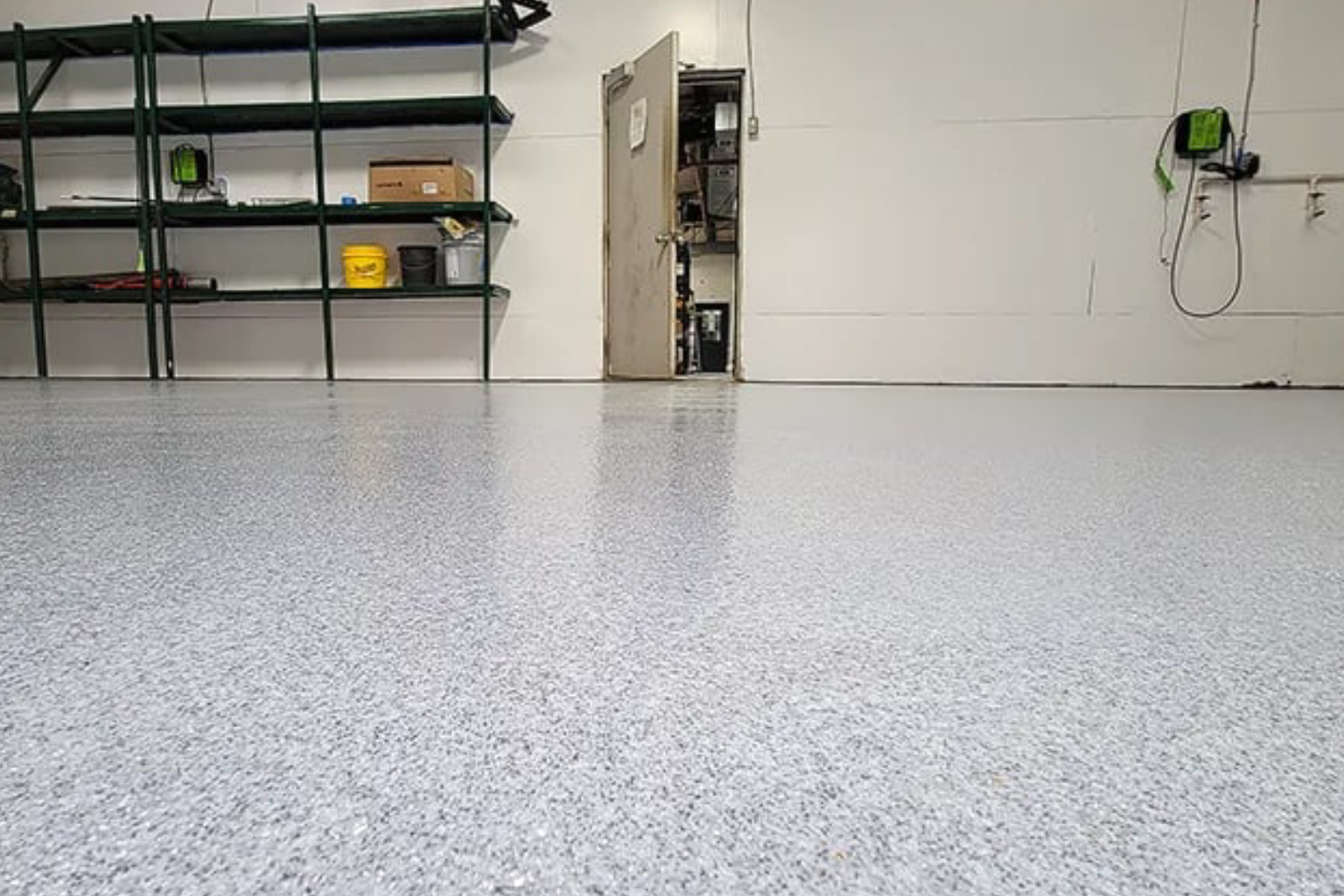
Selecting a floor means balancing cost, durability, and maintenance. Epoxy quartz provides a strong combination of these factors. Let’s compare it with other common systems.
Epoxy Flake vs Epoxy Quartz
Epoxy flake uses decorative vinyl chips for a speckled look. Prices range from $5 to $15 per square foot. It withstands impact, chemicals, and abrasion. The surface is smooth, which makes cleaning easy. Contrary to epoxy flake, quartz epoxy uses colored quartz granules for a textured, natural appearance. It costs $4 to $18 per square foot. Quartz is equally resilient but offers a more sophisticated finish.
Polished Concrete vs Epoxy Quartz
Polished concrete creates a streamlined, shiny surface with an industrial style. Costs differ from $3 to $12 per square foot, increasing with complicated finishes. It withstands abrasion but scratches easily and requires routine resealing. In contrast to polished concrete, epoxy quartz adds a protective layer that conceals cracks. It is slip-resistant and simple to clean. Epoxy remains maintenance-friendly for years, even under heavy use.
Tile Flooring vs Epoxy Quartz
Tile has several colors and patterns. It typically costs $5 to $15 per square foot. Grout lines can trap dirt and need scrubbing. Tiles might crack under big objects. On the contrary, quartz epoxy forms a smooth surface that withstands scratches and stains. Cleaning is straightforward, and the floor remains fresh for a longer time.
Vinyl Flooring vs Epoxy Quartz
Vinyl is soft underfoot and costs $2 to $7 per square foot. It installs swiftly and offers numerous styles. Big appliances or pots can scratch it, and water spills might warp the floor. Compared to vinyl, quartz epoxy is stronger. It withstands chemicals, dampness, and heavy use. It seldom dents and does not warp. Vinyl might require replacement in a few years, whereas quartz can last 15–20 years with low upkeep.
Concrete Staining vs Epoxy Quartz
Concrete staining provides a spotless, modern appearance at $2 to $5 per square foot. It does not shield the floor. Scratches and stains appear swiftly, and resealing is mostly required. Unlike stained concrete, quartz epoxy offers a durable surface that hides cracks and avoids damage. Floors can be made slip-resistant for safety. Maintenance and repair expenditures are lower as time goes by.
Quartz epoxy distinguishes itself across all flooring options because of its sturdiness and long service life. It withstands scratches, stains, and chemicals and remains simple to clean. Its little maintenance makes it a wise option for homes and businesses in New Jersey.
Advantages of Quartz Epoxy Flooring
When you choose quartz epoxy floor coating, it brings added value to residential, commercial, and industrial spaces. The surface remains sturdy and reliable for years.
The following are a few major advantages that quartz epoxy flooring offers:
Premium Durability and Strength
Quartz epoxy is created for sturdiness. It manages high foot traffic, forklifts, and equipment without harm. With high abrasion resistance, a Shore D hardness of 74, and compressive strength around 47.8 MPa (6,931 psi), the floor retains its structure and look for a very long time.
Exceptional Chemical and Stain Resistance
The non-porous surface stops liquids from seeping in. Spills of oils, acids, or chemicals do not stain or damage the floor. You just need a mop or a cloth for the cleanup. This makes it appropriate for kitchens, labs, automotive bays, and other tough environments.
Improved Safety with Slip Resistance
Quartz granules embedded in the epoxy offer great traction. The floor has a coefficient of friction of 1.16 when dry and 0.89 when wet. The texture can be personalized for heavy-slip areas, decreasing accidents in hospitals, kitchens, and industrial areas.
Health, Hygiene, and Environmental Benefits
The smooth surface has no grout lines, which avoids bacteria, allergens, and dirt from amassing. Floors are simple to sanitize and aid in retaining healthier indoor environments. Most quartz epoxy systems are zero VOC or low VOC, making them safe for indoor air and ecologically pure.
Design Adaptability and Personalization
Quartz epoxy provides a diverse range of color options and finishes. Standard colors include subtle earth tones and bold, vibrant shades. Custom blends match existing decor or brand colors. Finishes differ from shiny for bright spaces, satin for a soft sheen, and matte for a velvety look. The floor blends elegance and effectiveness, making it appropriate for the latest showrooms, workshops, or kitchens.
Seamless Surface
Quartz epoxy creates a streamlined floor. This avoids mold and bacterial growth. It also simplifies cleaning and maintenance, making it apt for the following:
- Hospitals
- Commercial Kitchens
- Busy Areas
Quartz epoxy flooring blends strength, safety, and elegance in a floor that lasts and looks appealing. It also makes cleaning and maintenance straightforward.
Disadvantages of Quartz Epoxy Flooring
Quartz epoxy does have a few limitations, but most of them can be tackled with adequate installation and planning.
Higher Cost
Quartz epoxy is more costly than other coatings. The upfront investment pays off in durability, low upkeep, and longevity.
Professional Installation Required
Appropriate surface preparation, primers, and application are mandatory. Experienced installers avoid peeling, bubbles, or uneven finishes, guaranteeing a perfect floor.
Surface Compatibility
Not all substrates are correct for quartz epoxy. A professional evaluation guarantees proper adhesion and effective performance.
Longer Installation Time
Quartz epoxy requires cleaning, drying, and curing before use. Planning the project with seasoned installers minimizes downtime and guarantees good results.
Quick Installation Not Feasible
The floor cannot be rushed. Fast installation might sacrifice durability. Hiring specialists guarantees correct application without shortcuts.
Sunlight Sensitivity
Direct UV exposure may slightly yellow the surface as time passes by. A UV-resistant topcoat shields the finish and keeps colors dynamic.
Quartz epoxy needs caution and professional installation, but delivers a reliable and durable floor. Proper planning guarantees you get the optimum results each time.
Mistakes You Should Avoid to Save on Quartz Epoxy Cost
Small mistakes during installation may increase the cost of quartz epoxy. These are the mistakes you should avoid that could save you some bucks when using quartz epoxy flooring:
Ignoring Surface Prep
Quartz epoxy needs a neat, level, and dry surface. Skipping prep may cause peeling, bubbles, or uneven patches. Fixing this later can cost $2–$6 per square foot, depending on the area. Adequate preparation shields your floor and guarantees the quartz adheres properly.
Using Inaccurate Thickness for the Space
Various spaces have various needs. Basements or residential garages might require thinner layers, while commercial kitchens or warehouse floors need thicker coatings. Using the incorrect thickness decreases durability and might cause early wear. Selecting the correct layer guarantees enduring strength.
Ignoring Moisture or Small Cracks
Areas susceptible to moisture, such as wet rooms and basements, must be dry before installation. Minor cracks should be filled or sealed. Neglecting this might result in lifting or bubbling. Simple patching before installation costs $1–$5 per square foot but guarantees a smooth and robust finish.
DIY Without Appropriate Knowledge
Quartz epoxy installation is a technical task. Errors in mixing, spreading, or curing may damage the floor, costing $300–$900 to fix. Experienced installers ensure a coherent surface that functions well under heavy use and looks refined.
Selecting Inferior Quality Quartz or Epoxy
Inexpensive quartz or epoxy might fade, chip, or wear swiftly in heavy-traffic ones. Recoating or replacement can cost $5–$12 per square foot. Choosing high-quality quartz guarantees the floor remains robust, stain-resistant, and visually pleasing for the coming years.
How to Save Money on Quartz Epoxy Flooring
Quartz epoxy floors blend durability, style, and performance. However, wise planning can also make them more budget-friendly. Sensible decisions regarding materials, design, and preparation aid you in attaining a durable floor without breaking the bank.
Select Standard Quartz for Most Areas
Residential areas such as garages, basements, or laundry rooms cost $4–$10 per square foot. Decorative or custom quartz blends can be reserved for heavy-visibility areas. This saves money while retaining a superior appearance.
Limit Bold or Decorative Blends
Apply metallic or bold quartz only in spots where style is most significant. This enables you to keep costs within reach while still creating appealing floors in entryways, kitchens, or showrooms.
Do Small Prep Yourself
Cleaning, sanding, or patching minor cracks before professional installation may decrease labor expenditures by $100–$200. This also helps the epoxy bond flawlessly and avoids future maintenance problems.
Buy Slightly More Material
Buying additional quartz or epoxy guarantees complete coverage and decreases per-unit cost. For small-scale residential floors, this can save $20–$50 and avoid gaps in the finished surface.
Plan Color and Layout Carefully
Select neutral quartz colors for big areas and bold or metallic tones for accents. This decreases visible wear and lessens yearly maintenance costs by $50–$150.
Use Trustworthy Brands
Premium quality quartz epoxy costs $5–$12 per square foot, depending on the application. Using reputable products avoids regular recoating or repair and guarantees the floor retains its shine and durability in the long run.
Cautious planning, sensible material selection, and professional installation make quartz epoxy floors a budget-friendly, durable, and elegant option. This approach ensures a robust, appealing surface for any residential or commercial space.
Quartz Epoxy Flooring Maintenance and Care Tips for Cost Saving
Quartz epoxy floors are created for durability, but adequate care guarantees they remain appealing and practical for years. Constant attention keeps your investment looking fresh and shields the floor from unnecessary damage.
Sweep Regularly
Dirt, sand, and debris may scratch the surface in the course of time. Sweep your quartz epoxy floor each day or at least a few times a week. A soft-bristle broom functions best to prevent damaging the quartz texture.
Mop with Mild Cleaners
Use a mop with warm water and a mild, pH-neutral soap. Refrain from harmful chemicals, bleach, or ammonia-based cleaners, as they may dull the surface and decrease slip resistance. Routine cleaning keeps the floor looking refined and retains its natural color.
Address Spills Instantly
Standing water, oils, or other liquids can harm any floor with the passage of time. Wipe spills immediately to avoid staining, retain traction, and safeguard the epoxy-quartz bond. This is particularly significant in kitchens, laundry rooms, and utility spaces.
Ensure Adequate Drainage
In wet areas such as bathrooms, commercial kitchens, or pool decks, correct drainage is vital. Standing water quickens wear and may cause slipperiness. Retain drains and make sure water flows away from the surface.
Reapply Topcoat Regularly
Quartz epoxy floors might require a fresh topcoat once every couple of years. This layer restores glow, strengthens protection, and prolongs the floor’s service life. Follow expert advice for timing and materials to preserve the floor’s sturdiness.
Routine maintenance of your quartz epoxy floor keeps it secure, glossy, and strong. Keeping in mind the above-mentioned tips will avoid damage and make full use of your investment.
Is Quartz Epoxy Flooring Worth It?
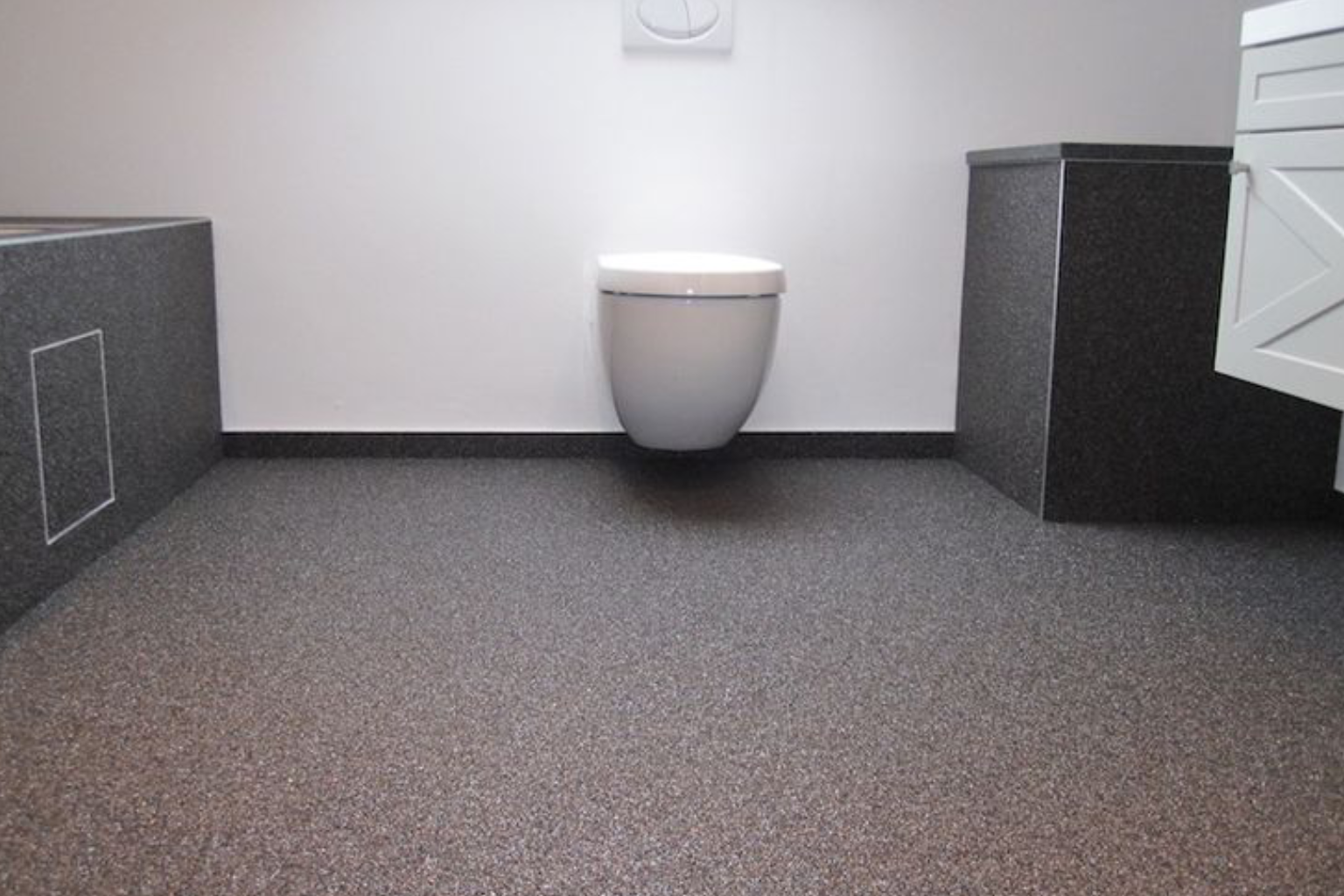
Quartz epoxy flooring is beyond a sleek upgrade. Its sturdiness and durability make it perfect for kitchens, garages, basements, and commercial spaces alike. The floor withstands scratches, stains, and heavy use, keeping your space looking fresh with the least amount of effort. Selecting quartz epoxy guarantees a surface that survives for decades. This decreases the requirement for frequent replacements.
Even though the initial cost might be greater than other flooring options, the long-term value is unparalleled. Quartz epoxy eradicates ongoing repair and maintenance expenditures that mostly accumulate with the following:
- Tile
- Vinyl
- Concrete
Investing in quartz epoxy means a floor that remains practical and captivating for a very long time.
Conclusion
Quartz epoxy flooring offers a durable, elegant, and low-maintenance solution for residential, commercial, and industrial spaces. Its strength, chemical resistance, and slip-resistant surface guarantee sustained performance. With a broad spectrum of colors and finishes, it upgrades the look and practicality of any area.
Homeowners and businesses in New Jersey can have a smooth, simple-to-clean floor that retains its style for years. Correct planning, professional installation, and regular care magnify the advantages of this flooring.
For top-notch installation and expert guidance, feel free to contact our team at Epoxy Shine. We deliver premium quartz epoxy floors that blend performance, safety, and aesthetics.
Frequently Asked Questions
Is epoxy quartz flooring slippery?
Quartz epoxy flooring provides splendid traction. The textured quartz particles create a natural grip. Anti-slip additives can increase safety for wet or busy zones.
How long does an epoxy quartz installation take?
Installation generally takes 2–4 days. Surface prep takes the most time. Every epoxy layer requires curing to guarantee a resilient floor.
Is it possible to install epoxy quartz in a basement?
Yes. Specialized primers prevent moisture. The smooth quartz epoxy floor tackles heavy storage, occasional water, and keeps basements neat and bright.
Are quartz epoxy floors simple to maintain?
Quartz epoxy is maintenance-friendly. Sweep and mop occasionally. Its non-porous surface withstands stains and chemicals. This makes the floor look new for years.
Is quartz epoxy flooring appropriate for high-traffic areas?
Yes. Quartz epoxy is robust and durable. It resists high foot traffic and adds slip resistance for safe use in residential or commercial spaces.