
Basements in New Jersey are often underused because of one main issue with the floor. Raw concrete surfaces tend to feel cold, absorb moisture, and wear down over time. This makes the space less inviting and limits how it can be used.
Many homeowners look for ways to improve their basements, but not all flooring options perform well in below-grade conditions. Some materials fail when exposed to moisture, while others require constant upkeep.
Basement epoxy flooring has become a reliable solution for many New Jersey homeowners. Instead of covering the surface, it transforms it into a sealed, durable, and easy-to-maintain floor. If you are planning to upgrade your basement, understanding these epoxy basement floor benefits will help you make a more informed decision.
For a complete overview of how epoxy works, you can also explore the basement epoxy flooring guide, which explains the full process and options in detail.
Key Takeaways
- Epoxy forms a protective layer that strengthens concrete
- Helps manage moisture exposure in basement conditions
- Reduces cleaning effort and ongoing maintenance
- Improves lighting and overall space usability
- Suitable for both storage and finished living areas
- Adds long-term value when professionally installed
Why Basement Floors Need More Protection Than Other Areas
Basement floors are exposed to constant pressure from below. Moisture can travel through concrete, and temperature changes can affect the surface over time. Unlike upper floors, basements do not have the same level of ventilation or sunlight. This creates conditions where damage builds slowly and becomes noticeable only after it spreads.
Without proper protection, the floor may develop cracks, stains, or surface breakdown that affects both appearance and usability. This is why choosing the right flooring system matters more in basements than in other parts of the home.
Creates a Strong Protective Surface Over Concrete Floor
Epoxy flooring forms a bonded layer that strengthens the concrete repair rather than simply covering it. Once applied, the material integrates with the surface and creates a solid structure that resists wear. This makes the floor more stable and reduces the impact of everyday use.
Over time, this protective layer helps prevent surface erosion and keeps the concrete from weakening. For homeowners who want a long-term solution, this benefit becomes one of the most important factors. If you are comparing options, you can also review the epoxy basement floor pros and cons to understand how this benefit compares with other flooring choices.
Improves Resistance to Moisture and Damp Conditions
Moisture is one of the most common challenges in New Jersey basements. Even when there is no visible water, humidity can affect the concrete and lead to long-term issues.
Epoxy flooring creates a sealed surface that reduces moisture movement through the slab. This helps maintain a more stable environment and prevents the floor from absorbing dampness.
For homeowners looking for a waterproof epoxy basement floor, this system provides an added level of surface protection when combined with proper moisture preparation and testing.
Enhances Basement Durability for Everyday Use
Basements are often used for multiple purposes, from storage to living areas. Epoxy flooring is designed to handle these changing needs. It resists impact, supports weight, and maintains its structure even under regular use.
This makes it a practical option for homeowners who want a reliable basement floor coating New Jersey properties can depend on. Choosing the best epoxy type for basement floor further improves performance based on how the space is used.
Reduces Maintenance Effort Over Time
Concrete surfaces tend to trap dust, absorb stains, and require regular upkeep to stay clean. Epoxy flooring changes how the surface behaves. It creates a smooth layer where dirt and spills remain on top instead of penetrating the material.
This makes cleaning more straightforward and reduces the need for deep maintenance. Over time, this benefit saves both effort and cost, especially in frequently used basements.
Improves Lighting and Makes the Space More Usable
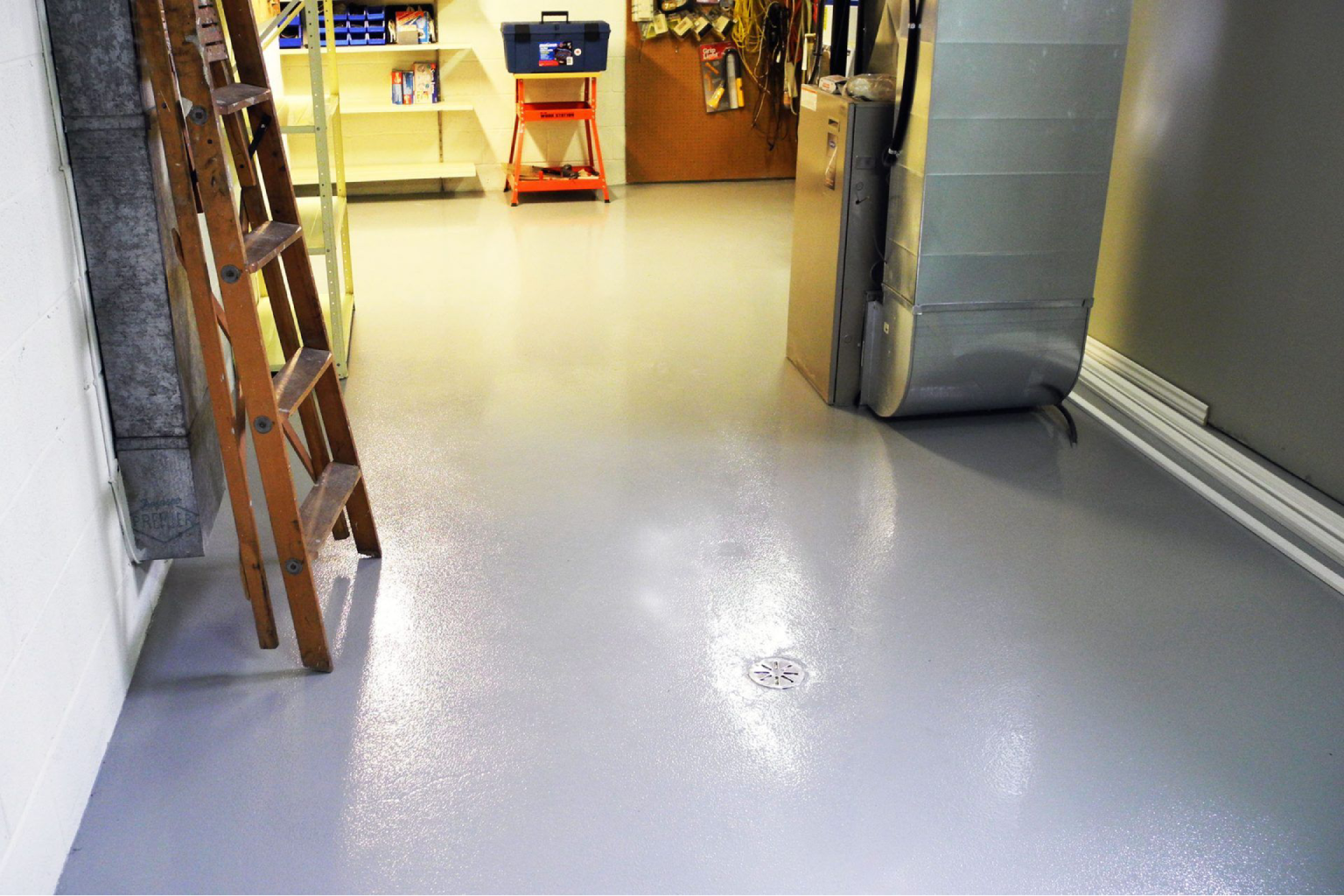
Basements often feel dark due to limited natural light. Flooring plays a key role in how light moves within the space. Epoxy finishes, especially lighter tones, reflect available light and make the basement feel more open. This can change how the space is used, turning it from a storage area into a more active part of the home.
For homeowners exploring design options, reviewing epoxy basement floor color ideas can help in selecting a finish that improves brightness while maintaining practicality.
Supports Different Basement Uses Without Changing Flooring
One of the biggest advantages of epoxy flooring is its ability to adapt. The same floor can support different uses over time without requiring replacement. A basement used for storage today can later become a living area, and the flooring will still perform effectively. This flexibility allows homeowners to plan long-term without needing to change materials as their needs evolve.
Adds Long-Term Value to the Property
Upgrading a basement floor is not just about appearance. It improves how the space functions and how it is perceived. A clean and durable basement can increase overall property appeal. For homeowners considering resale or rental opportunities, this becomes an added advantage.
Because epoxy flooring reduces maintenance and improves usability, it contributes to long-term value rather than short-term improvement.
Creates a Cleaner and More Controlled Environment
Unsealed concrete can release dust and contribute to poor air quality in enclosed spaces. Epoxy flooring helps control this by sealing concrete surface and reducing particle movement. This creates a more stable environment, especially in basements that are used regularly.
For families using the basement as a living or working space, this benefit improves comfort and usability.
How to Maximize the Benefits of Basement Epoxy Flooring
Getting the full value from epoxy flooring is not just about choosing the material. The results depend on how well the basement is assessed, how the system is selected, and how carefully each step is executed. A properly planned installation ensures the floor performs consistently under real basement conditions instead of just looking good initially.
Start with Proper Surface Evaluation
Before any coating is applied, understanding the condition of the concrete is essential. A detailed evaluation goes beyond visible cracks or surface damage. It includes checking how the slab responds to moisture, identifying weak areas in the concrete, and assessing whether the surface has been previously treated or sealed.
Older basements in New Jersey may have hidden issues such as uneven curing, minor structural shifts, or past repairs that affect how well epoxy bonds to the surface. Newer basements, on the other hand, may still be settling, which can influence long-term performance.
A proper evaluation helps determine whether the surface is ready for coating or if additional preparation steps are required. This ensures the epoxy system is applied to a stable base rather than trying to compensate for underlying issues.
Choose the Right System for Your Needs
Not every basement requires the same type of epoxy system. The choice depends on how the space will be used, how much traffic it will handle, and what level of finish is expected. A basement used for storage may need a simple, durable coating, while a finished living space may require a more refined look with added design elements.
Environmental factors also play a role. Basements that experience temperature changes or higher humidity levels may benefit from systems designed to handle those conditions more effectively. Selecting the right system ensures that the floor performs as expected without unnecessary upgrades or limitations. It also helps avoid overdesigning the space, which can increase cost without adding real value.
Follow a Structured Installation Process
The installation process is where the long-term performance of epoxy flooring is defined. Each stage builds on the previous one, and the final result depends on how well these steps are executed. Surface preparation ensures proper bonding, repair work creates a stable foundation, and the application layers provide strength and protection.
Timing also plays an important role. Environmental conditions such as temperature and humidity must be controlled during installation to ensure proper curing. Rushing the process or applying layers too quickly can affect the final finish and durability.
A structured approach ensures that the system develops its full strength and maintains consistency across the entire surface. This is what separates a professional result from a short-term coating.
Avoid Common Installation Mistakes
Many issues with epoxy flooring come from small mistakes that are easy to overlook during installation. For example, applying epoxy on a surface that appears clean but still contains fine dust or residue can weaken the bond. Similarly, uneven application or inconsistent layer thickness can affect both the appearance and performance of the floor.
Another common issue is underestimating environmental factors. Changes in temperature or humidity during installation can alter how the epoxy cures, leading to surface imperfections or reduced durability.
Avoiding these mistakes requires attention to detail and a clear understanding of how each step affects the final result. This is why professional installation often leads to more reliable outcomes compared to quick or unstructured approaches.
Plan for Long-Term Use, Not Just Immediate Results
One of the most overlooked aspects of epoxy flooring is planning for how the basement will be used over time. A floor that works well today should still perform if the space changes in the future. For example, a basement used for storage may later be converted into a living area or workspace.
Choosing a system that can adapt to different uses helps avoid the need for future modifications. It also ensures that the floor continues to perform without additional upgrades. Thinking long-term allows homeowners to make decisions that support both current needs and future flexibility.
Work with Professionals Who Understand Local Conditions
Basement conditions can vary depending on location, and New Jersey homes often face specific challenges related to moisture, soil conditions, and seasonal changes. Working with professionals who understand these local factors ensures that the flooring system is selected and installed with those conditions in mind.
This includes knowing how to handle moisture variations, choosing materials that perform well in the local climate, and applying techniques that improve long-term durability.
Local experience adds an extra layer of reliability to the installation process and helps avoid issues that may not be immediately visible.
Real Performance in New Jersey Basement Conditions
Epoxy flooring is not just a theoretical solution. It has been widely used across New Jersey in homes where basements face humidity, seasonal moisture changes, and long-term wear.
In real-world applications, properly installed epoxy systems continue to perform for years without peeling, cracking, or surface breakdown. This is especially important in older homes where concrete conditions are less predictable.
Homeowners who invest in professionally installed systems often notice consistent performance even under heavy use, whether the space is used for storage, living, or mixed purposes. This practical reliability is what makes epoxy a preferred basement floor coating New Jersey property owners trust.
Why Homeowners in New Jersey Choose Epoxy Shine
Choosing the right contractor is just as important as choosing the material. The long-term performance of epoxy flooring depends on proper preparation, correct system selection, and precise installation.
Epoxy Shine works with homeowners across New Jersey to deliver basement epoxy flooring NJ solutions that are built for real conditions. Each project starts with a detailed surface evaluation, followed by a structured installation process designed to ensure strong bonding and long-term durability.
With experience handling different basement conditions, including moisture-prone environments and older concrete surfaces, the focus remains on delivering consistent, reliable results.
Whether the project involves a simple upgrade or a full basement transformation, the goal is to provide a floor that performs well over time without ongoing issues.
Final Thoughts
Basement epoxy flooring offers a practical way to improve both the performance and appearance of your space. Creating a durable, sealed surface helps protect the floor while making the basement easier to use and maintain.
For homeowners looking for long-term results, epoxy stands out as one of the most reliable solutions available. When installed correctly, it becomes a permanent upgrade rather than a temporary fix.
If you are planning to improve your basement, the first step is understanding your floor condition and choosing the right system. Epoxy Shine provides professional basement epoxy flooring NJ services, helping homeowners create durable and reliable spaces designed for real use.
FAQs
What are the main benefits of basement epoxy flooring?
Epoxy flooring strengthens the concrete surface, protects it from wear and moisture exposure, and creates a clean, sealed finish. It also reduces long-term maintenance while improving how the basement looks and functions.
Is epoxy flooring suitable for all basements?
Epoxy works well in most basements, but it depends on the condition of the space. If there are ongoing water leaks or structural issues, those problems should be fixed before installation to ensure proper performance.
Does epoxy help with moisture problems?
Epoxy helps protect the surface from moisture by sealing the concrete, but it does not eliminate water issues coming from below. Proper moisture testing and preparation are required before applying the system.
How does epoxy compare to other flooring options?
Compared to paint, vinyl, or tile, epoxy offers stronger bonding and better durability. It forms a seamless surface that resists wear and handles basement conditions more effectively than many traditional flooring materials.
Can epoxy flooring be customized?
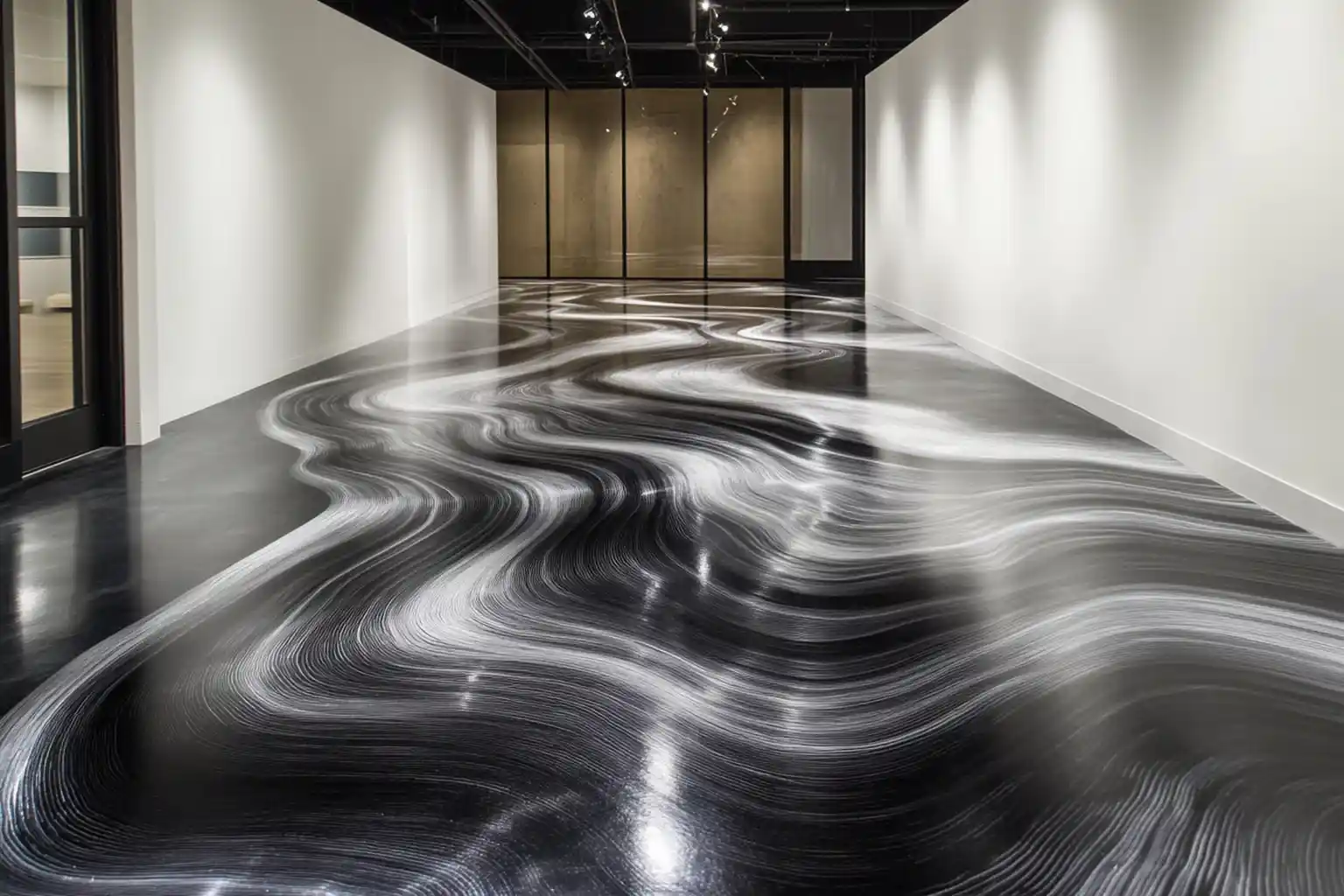
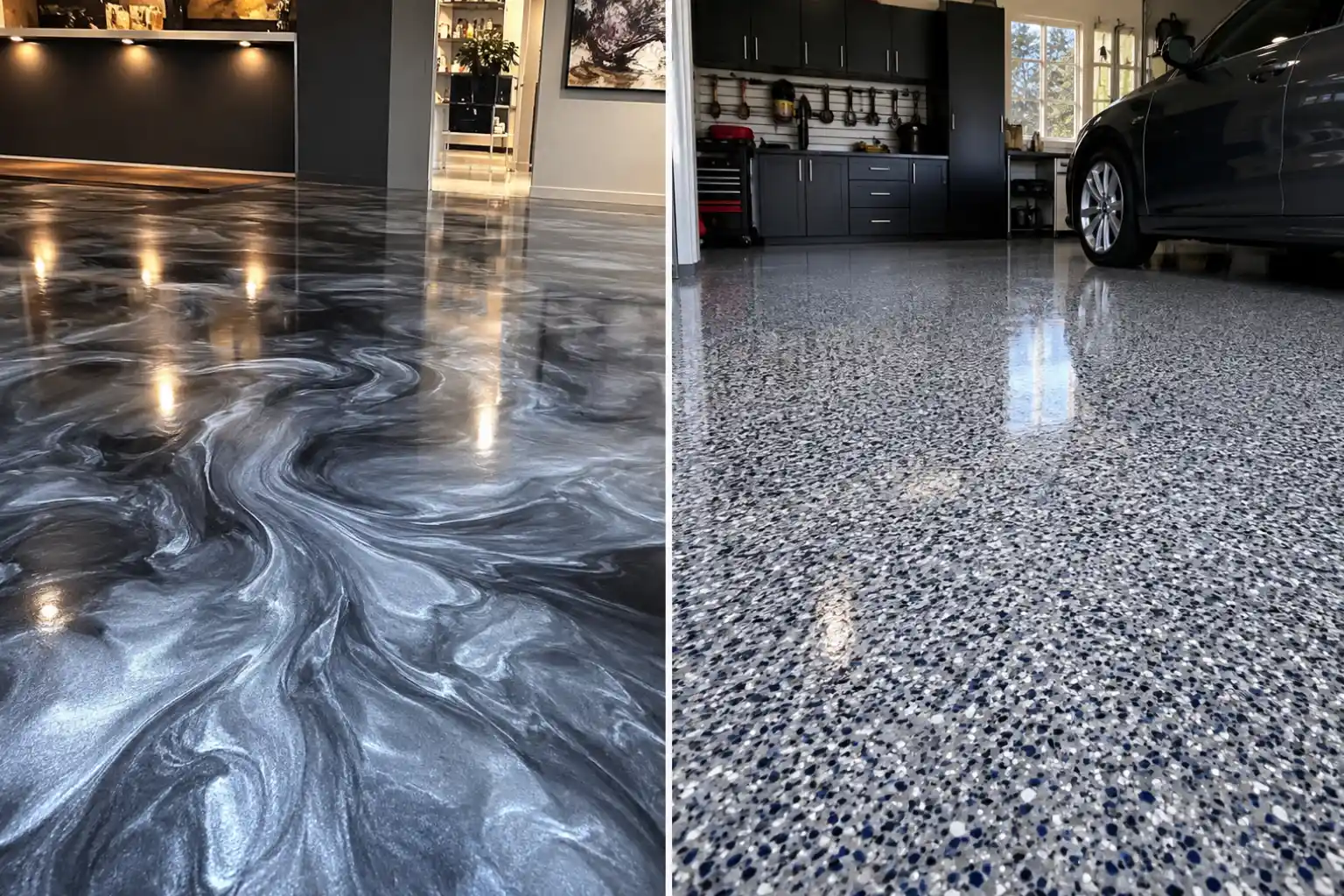
Yes, epoxy flooring offers a wide range of customization options, including colors, flake blends, metallic finishes, and different surface textures. This allows homeowners to match the flooring with their basement design and functional needs.
Is professional installation necessary?
Yes, professional installation is strongly recommended because epoxy flooring depends on proper surface preparation, moisture control, and precise application. Even small mistakes during installation can affect durability, bonding, and the overall finish of the floor over time.