

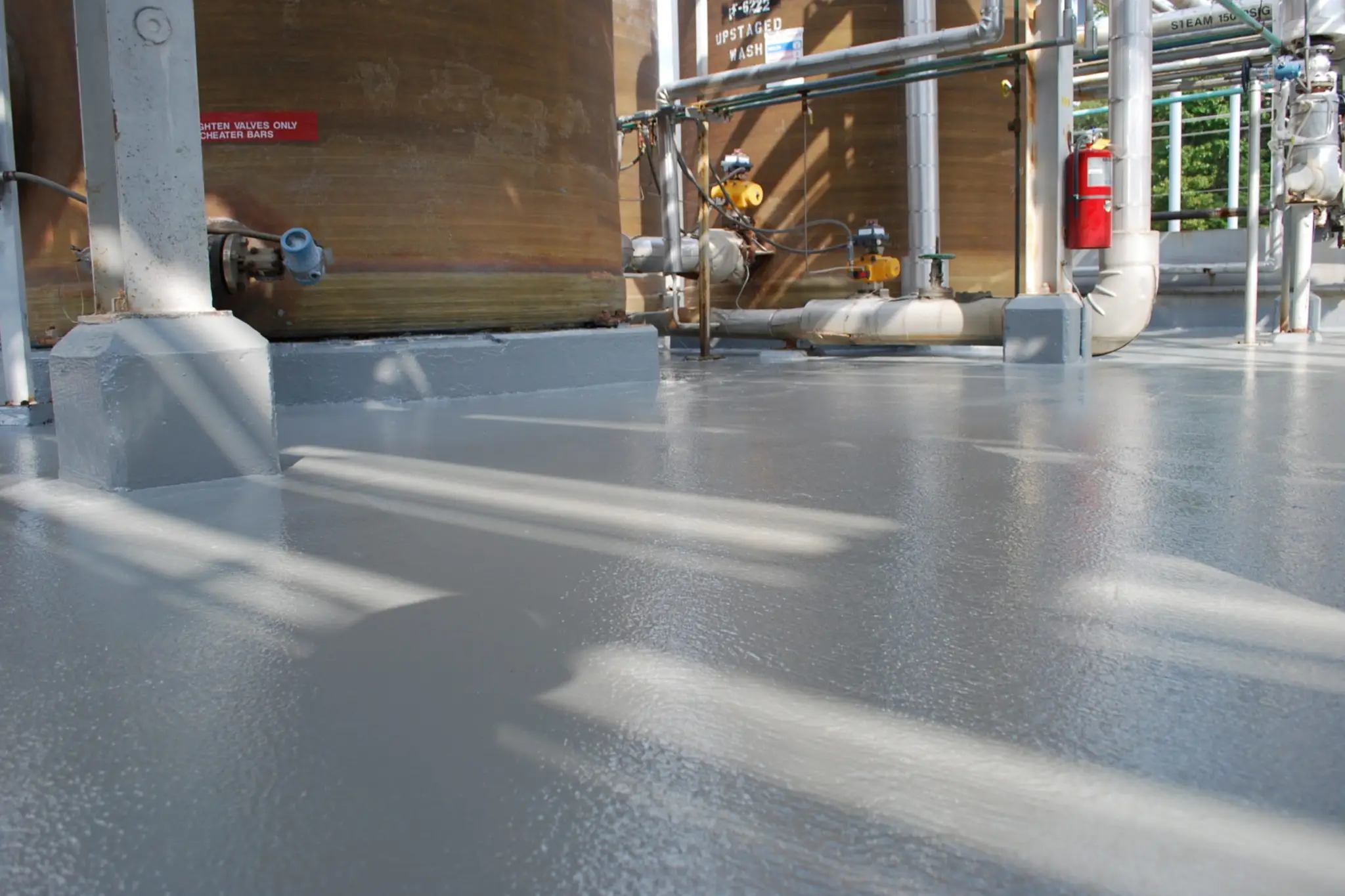
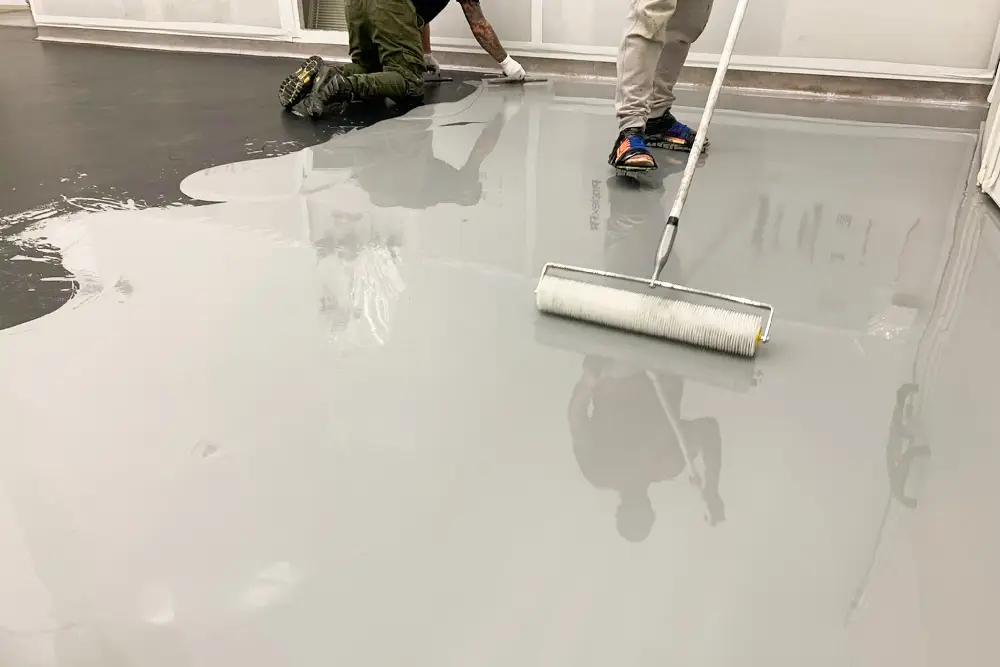

Pharmaceutical Epoxy Flooring in Woodland Park, NJ

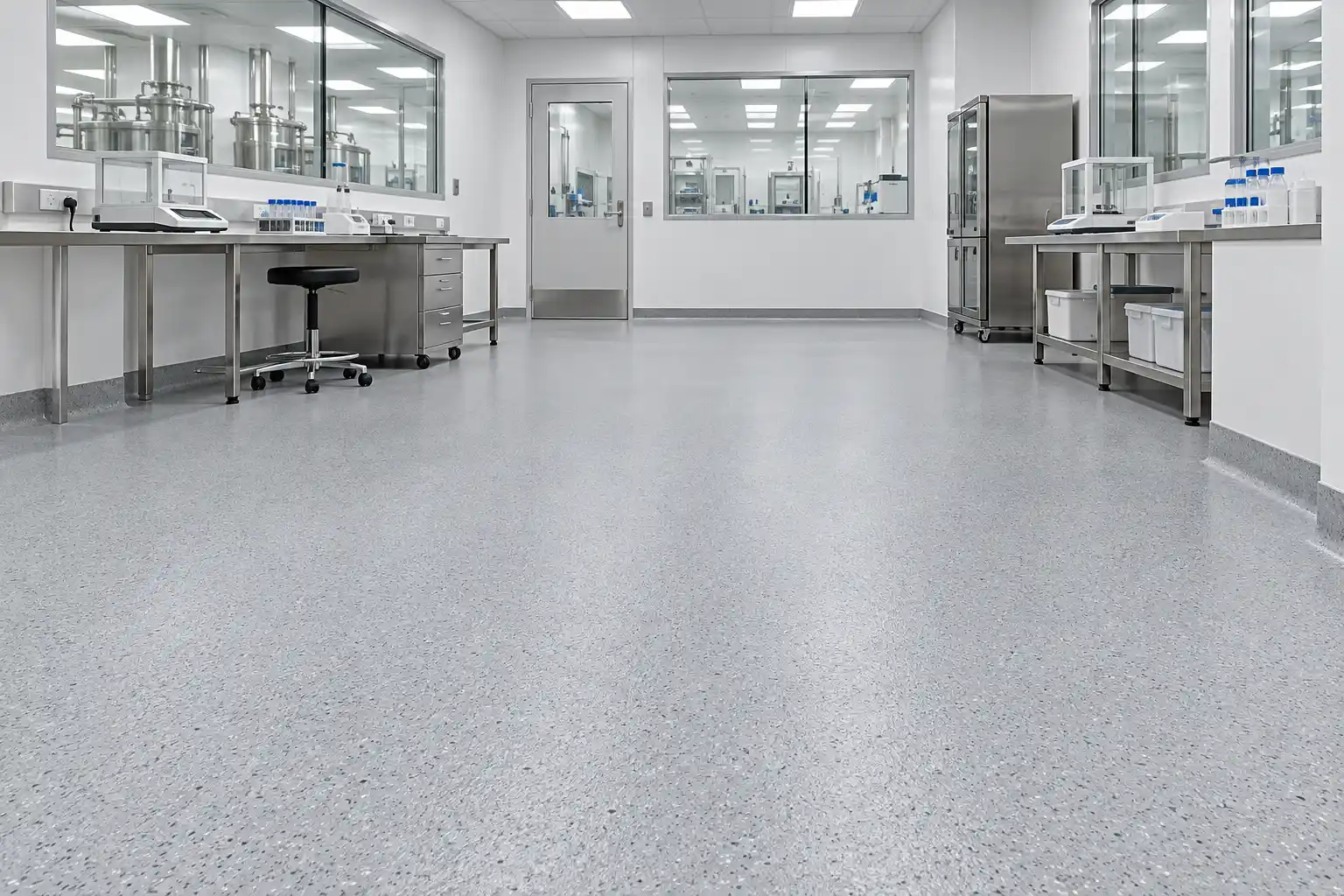
Pharmaceutical facilities require flooring that supports sanitation, controlled operations, chemical resistance, and dependable daily use. Epoxy Shine installs seamless pharmaceutical flooring systems in Woodland Park, NJ for laboratories, clean production areas, packaging rooms, corridors, storage spaces, and other regulated facility environments.
Flooring Systems for Pharmaceutical Facilities

Seamless Flooring Systems for Pharmaceutical Facilities

Pharmaceutical manufacturing, research, packaging, and laboratory spaces place demanding requirements on concrete floors. Surfaces may be exposed to frequent cleaning, chemical contact, wheeled equipment, controlled hygiene procedures, and continuous personnel traffic. Epoxy Shine installs pharmaceutical epoxy flooring in Woodland Park, NJ using resinous systems selected around the conditions of each room rather than applying one coating specification throughout the facility. Depending on the application, flooring can be designed for seamless coverage, chemical resistance, slip control, static dissipation, abrasion resistance, and easier sanitation. Proper concrete preparation, joint treatment, coating thickness, finish texture, and transition detailing are considered before installation so the completed floor supports both operational performance and ongoing facility maintenance.
Flooring Systems for Pharmaceutical Facilities

Why Pharmaceutical Facilities Use Resinous Flooring

Pharmaceutical flooring must perform as part of the facility environment, not simply improve the appearance of concrete. Seamless resin systems can reduce difficult-to-clean joints, withstand repeated operational use, and provide specialized surface characteristics for production, laboratory, cleanroom, packaging, and support areas.

Pharmaceutical Flooring Systems We Install

Methyl Methacrylate (MMA) Flooring Solutions

Methyl methacrylate systems Flooring

MMA flooring is a rapid-curing resin system that can be particularly valuable in pharmaceutical facilities with limited shutdown windows. Methyl methacrylate systems cure much faster than many traditional resin coatings, allowing properly planned flooring projects to return to service sooner. MMA flooring can be considered for production spaces, laboratories, corridors, packaging areas, storage sections, and other rooms where extended downtime could interfere with operations. The system also offers strong wear and chemical resistance when specified for the environment. Because MMA installation requires specialized handling and controlled application procedures, Epoxy Shine evaluates ventilation, substrate condition, room use, and operating schedules before recommending it.
Polyaspartic Flooring

Polyaspartic Flooring

Polyaspartic flooring is well suited to pharmaceutical facilities where durability and shorter installation or return-to-service times are important. The system provides strong resistance to abrasion, repeated traffic, and many common facility chemicals while producing a continuous surface that is easier to maintain than untreated concrete. It can be useful in corridors, packaging areas, storage rooms, laboratories, and operational spaces where project downtime needs to be carefully managed. Polyaspartic materials can also be used as protective finish coats over compatible resin systems. Epoxy Shine selects the coating build according to the concrete condition, traffic level, maintenance procedures, and performance requirements of each pharmaceutical area.
Quartz Epoxy Designs

Quartz Epoxy Flooring

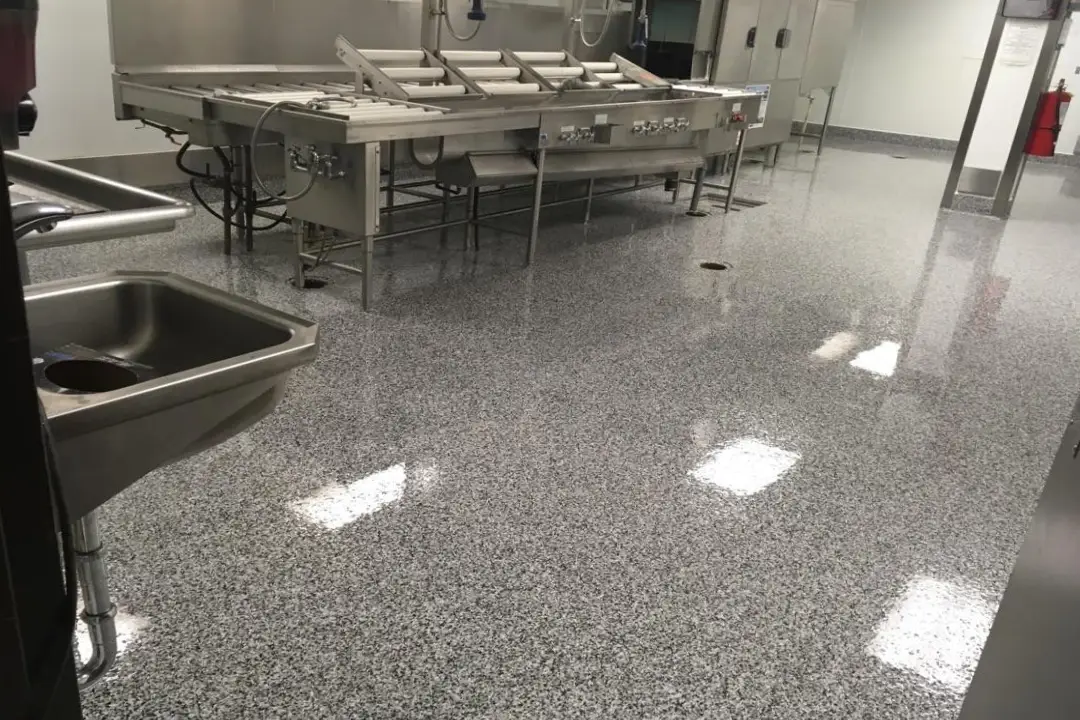
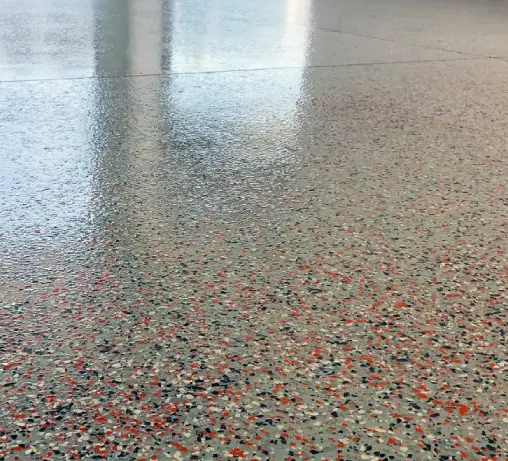
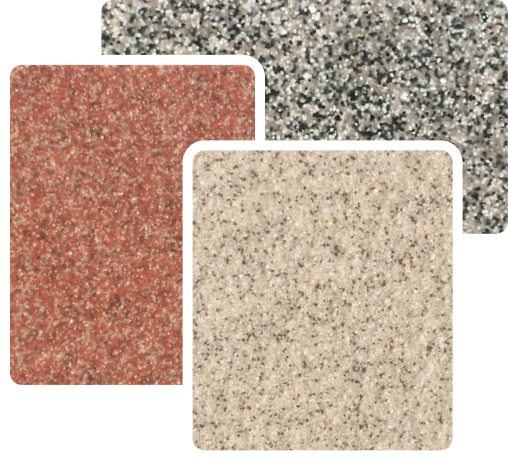
Quartz epoxy flooring combines durable resin with quartz aggregate to create a seamless, hard-wearing surface suitable for pharmaceutical production rooms, corridors, laboratories, wash areas, changing rooms, and other high-traffic spaces. The aggregate adds texture and improves wear resistance while allowing the level of slip resistance to be adjusted for the intended environment. Its seamless construction also reduces exposed joints and grout lines that can complicate routine cleaning. Quartz epoxy can be installed in different system builds depending on traffic, moisture exposure, cleaning procedures, and surface requirements, making it a practical choice for both controlled work areas and supporting pharmaceutical spaces.

Chemical Resistant Flooring Services

Chemical-Resistant Flooring

Chemical-resistant flooring is designed for pharmaceutical areas where the surface may encounter cleaning agents, disinfectants, solvents, process chemicals, or accidental spills. These systems are especially relevant to laboratories, manufacturing rooms, formulation areas, sanitation spaces, utility rooms, and chemical storage zones. The correct resin formulation depends on the specific substances used within the facility because resistance can vary considerably between coating chemistries. Epoxy Shine considers chemical type, concentration, contact duration, cleaning methods, traffic, and substrate conditions when specifying the system. A properly selected chemical-resistant floor helps protect the concrete beneath while providing a durable, seamless surface for demanding pharmaceutical operations.

ESD Flooring Solutions in Woodland Park, NJ

Electrostatic Discharge Flooring

ESD flooring is intended for pharmaceutical environments where uncontrolled static electricity could interfere with sensitive equipment, electronic components, instrumentation, or specialized processes. These resinous systems are engineered to dissipate electrical charge through the flooring assembly rather than allowing static buildup at the surface. ESD flooring may be appropriate for laboratories, testing rooms, electronics-related production spaces, clean manufacturing areas, and other controlled environments with defined electrostatic requirements. Successful installation depends on more than applying a conductive coating; grounding, substrate preparation, system thickness, and electrical performance requirements must all be considered. Epoxy Shine designs the flooring installation around the facility’s specific operational and static-control needs.

Why Choose
Epoxy Shine?

Epoxy Shine approaches pharmaceutical flooring as a technical concrete protection system rather than a basic coating job. We evaluate room use, substrate condition, sanitation demands, traffic, chemical exposure, and finish requirements before recommending a resin system for facilities in Woodland Park, NJ.

Premium Materials

We use only high-quality, industry-approved epoxy products for lasting results.

Quick Installation

Skilled team with years of experience in epoxy flooring applications.

Cost-Effective

With a quick turnaround time, we make sure the flooring stays within your budget.

Expert Support

Dedicated support service during and after installation, with knowledge of your needs.
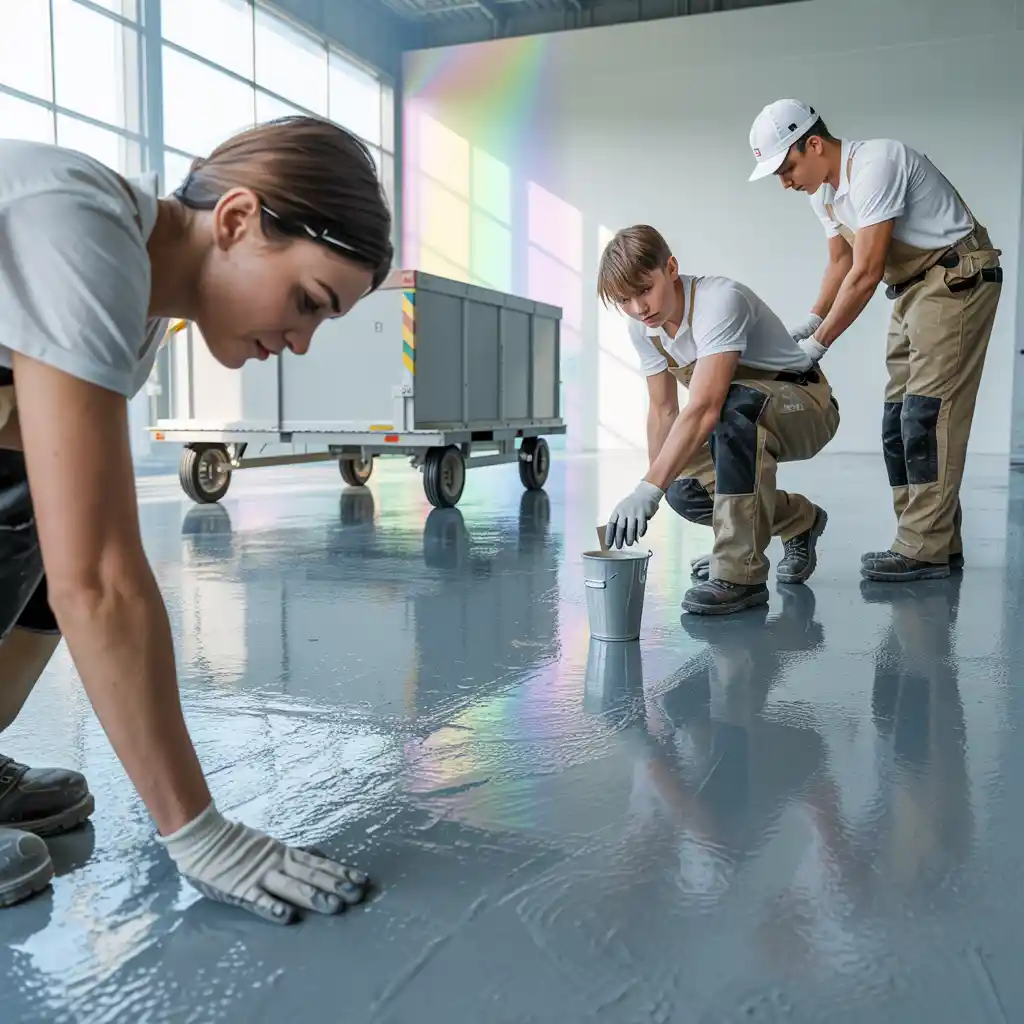
Why Choose Us Epoxy Services

Our Pharmaceutical Flooring Installation Process

Every pharmaceutical flooring project begins with the concrete slab and the operating conditions above it. We coordinate preparation, repair, coating selection, installation thickness, finish texture, and curing requirements so each flooring system is matched to the specific production, laboratory, storage, or support space.

Consultation & Site Assessment

Expert Assessment

We inspect the concrete, existing coatings, cracks, joints, moisture concerns, traffic patterns, cleaning procedures, and chemical exposure. The assessment helps determine which resin system and surface profile are appropriate for each facility area.

Surface Preparation

Surface Preparation

Concrete is mechanically prepared to remove weak surface material, contamination, previous coatings, and other bonding obstacles. Cracks, spalls, joints, and damaged sections are addressed before the pharmaceutical flooring system is installed.

System Design & Material Selection:

System Design & Material Selection

We select the coating build based on sanitation needs, traffic, chemical contact, slip requirements, static-control needs, and maintenance procedures. Different rooms can receive different epoxy, urethane cement, mortar, quartz, or specialty resin systems where operating conditions vary.

Professional Installation:

Professional Installation

Primer, body coats, aggregates, coves, conductive components, and topcoats are installed according to the selected flooring specification. Application is sequenced carefully to maintain consistent coverage, transitions, thickness, texture, and finish throughout the designated area.

Curing & Project Handover:

Curing & Project Handover

The finished floor is allowed to cure according to the resin system and environmental conditions before being released for service. We review completed areas and provide relevant guidance regarding initial use, cleaning, and ongoing floor care.

Book Now

Make An Appointment

We’re delighted to hear from you. Any questions, suggestions, or feedback you have are valuable to us. We’re here to provide you with better service and respond to your inquiries as quickly as possible.

Follow Us

Customer's Testimonials

Frequently Asked Questions

Here are some things you might be wondering. Have another question? Just get in touch.

Quartz epoxy, polyaspartic, MMA, chemical-resistant, and ESD flooring are suitable options for pharmaceutical environments. The right system depends on the room’s traffic, cleaning procedures, chemical exposure, downtime limits, and static-control requirements.
Yes. Seamless epoxy flooring can work well in cleanroom and controlled environments when the system is properly specified for sanitation, surface finish, chemical exposure, and facility requirements.
Yes, when the correct resin system is selected. Chemical-resistant and other resinous flooring systems can be specified to handle repeated exposure to disinfectants, cleaning agents, and routine sanitation procedures.

Yes. ESD flooring can be installed in laboratories, testing areas, and controlled production spaces where static electricity needs to be managed around sensitive equipment or processes.

Installation time depends on the size of the area, condition of the concrete, selected flooring system, repair work, number of coating layers, and curing requirements. MMA and some polyaspartic systems may be useful where faster return-to-service is a priority.