
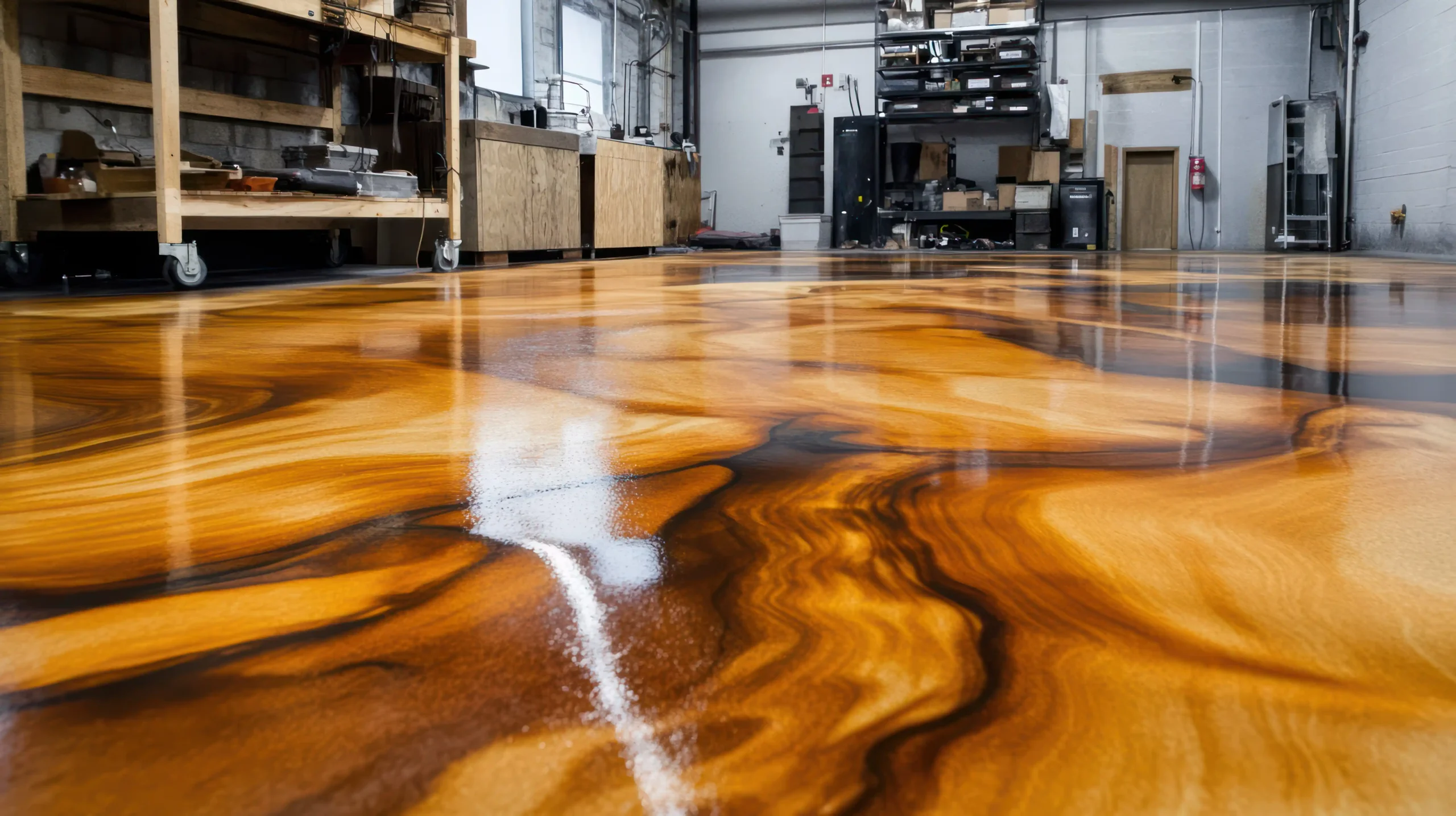
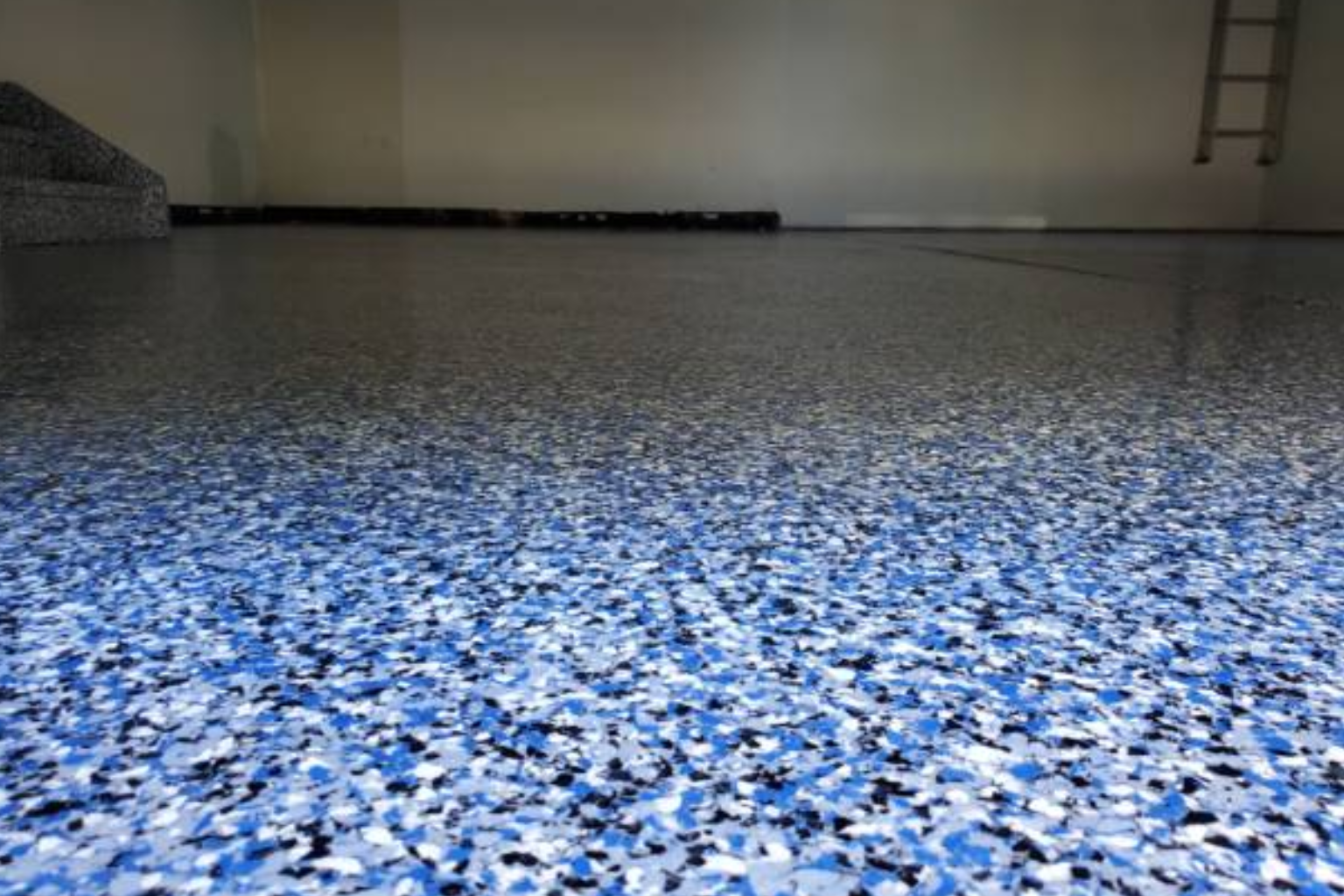
Basement floors in New Jersey homes often face ongoing issues. Moisture, cracks, peeling coatings, and dull concrete surfaces make the space hard to use and maintain.
Many homeowners look for a solution that not only improves appearance but also protects the floor from long-term damage. Epoxy flooring is one of the most considered options, but before moving forward, it is important to understand both its advantages and limitations.
This guide breaks down the real pros and cons of epoxy basement flooring, so you can make a clear and informed decision based on your space.
Key Takeaways
- Epoxy creates a sealed surface that helps protect against moisture
- It lasts longer than paint and most traditional basement flooring options
- Proper surface preparation is critical for long-term performance
- Not suitable for basements with active water problems
- Works best when installed by experienced professionals
- Offers both functional and visual improvements for basement spaces
What Is Epoxy Basement Flooring and Why It’s Popular
Epoxy flooring is a coating system that bonds directly with concrete and forms a sealed, durable surface. Unlike paint or basic coatings, it becomes part of the floor instead of sitting on top of it.
How Epoxy Bonds with Concrete
When epoxy is applied, it penetrates the surface of the concrete and creates a strong bond as it cures. This bond helps prevent peeling and allows the floor to handle pressure, weight, and daily use without breaking down.
Why Homeowners in New Jersey Are Choosing Epoxy
New Jersey basements often deal with humidity and seasonal moisture. Epoxy helps control these conditions by sealing the surface and reducing water penetration.
It also gives the basement a clean, finished look, which makes the space more usable for different purposes.
Where Epoxy Works Best in Basements
Epoxy performs best in basements that are structurally sound but need protection and improvement. It works well in both unfinished and finished spaces where durability and low maintenance are important.
Pros of Epoxy Basement Flooring
Epoxy flooring offers several advantages that make it a strong choice for basement environments.
Strong Moisture Resistance in Damp Basements
One of the biggest benefits is its ability to resist moisture. The sealed surface prevents water from entering the concrete, which helps reduce dampness and protects the floor from damage.
This is especially useful in New Jersey homes where basements are often exposed to humidity.
Long-Term Durability and Load Resistance
Epoxy floors are designed to handle heavy use. They resist scratches, impacts, and wear, making them suitable for storage areas, home gyms, and multi-use basements.
With proper installation, the floor can last for many years without needing major repairs.
Easy Maintenance and Cleaning
Epoxy creates a smooth surface that does not absorb dirt or spills. This makes cleaning simple and reduces the effort needed to maintain the space.
Most of the time, regular sweeping and occasional mopping are enough to keep the floor clean.
Improves Basement Appearance and Brightness
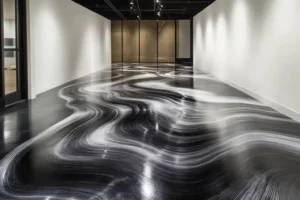
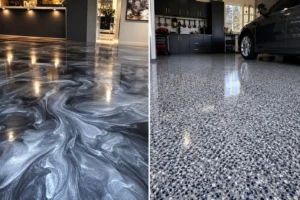
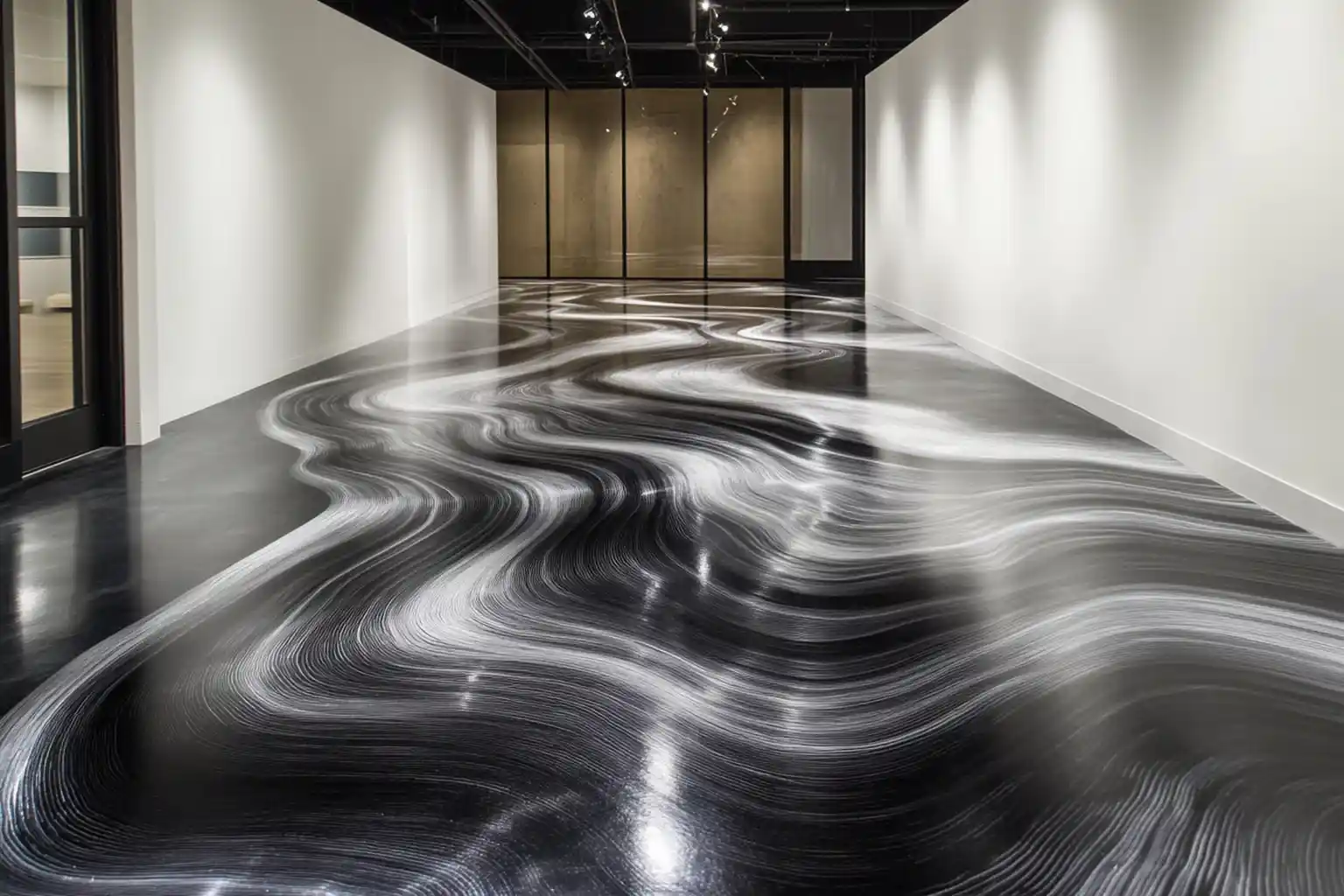
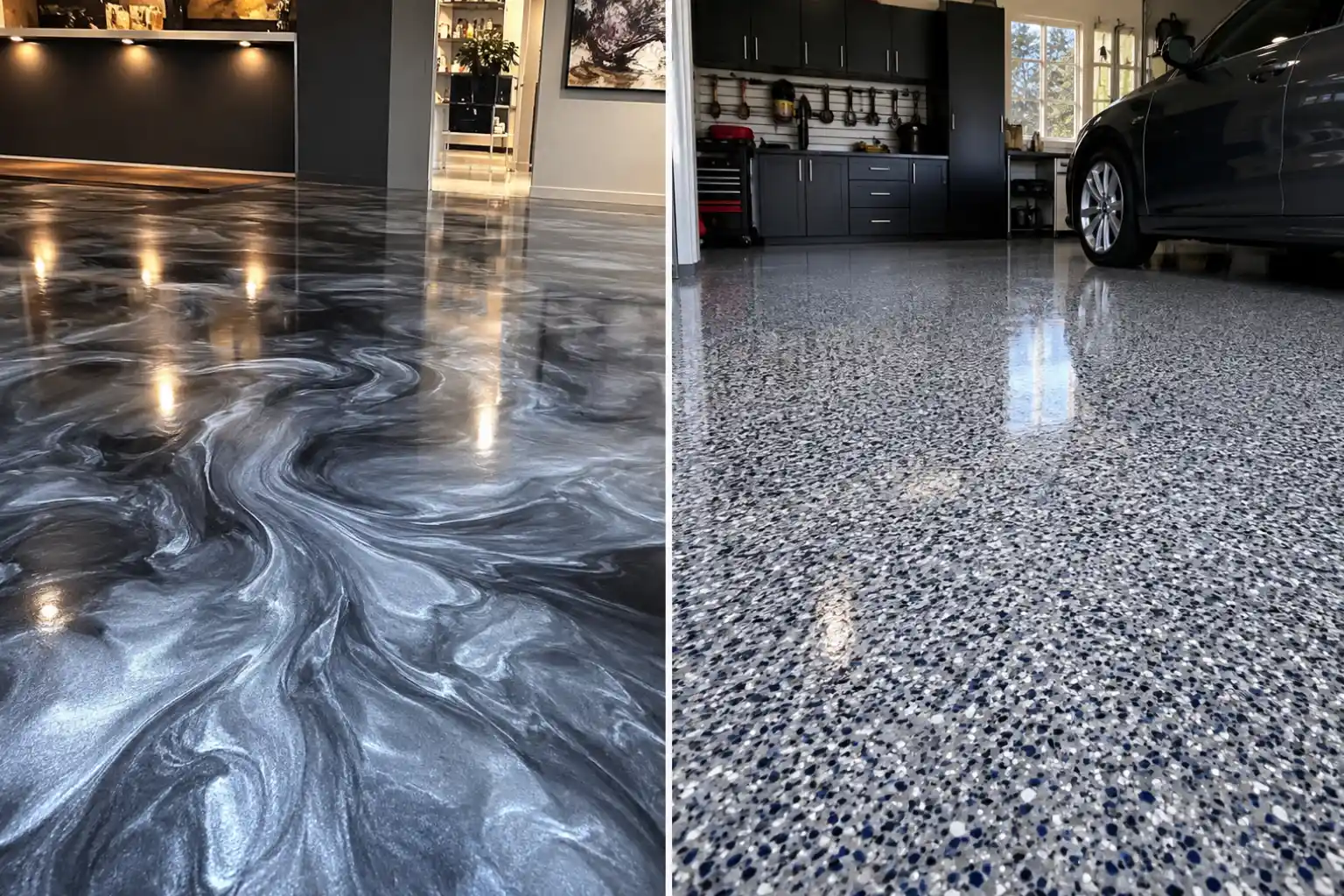
A well-installed epoxy floor can completely change how a basement looks. Lighter finishes reflect light and make the space feel more open, while decorative options add character.
This makes the basement feel less like a storage area and more like a usable part of the home.
Suitable for Multiple Uses
Epoxy adapts well to different uses. Whether the basement is used for storage, work, or living, the floor provides a clean and durable surface that supports everyday activities.
Cons of Epoxy Basement Flooring
While epoxy has many benefits, it is important to understand its limitations.
Moisture Issues Can Affect Performance
Epoxy performs well against surface moisture, but it cannot fix major water problems. If there is ongoing water intrusion or high moisture pressure beneath the slab, the coating can fail over time. This is why proper testing is required before installation.
Requires Professional Surface Preparation
Epoxy is highly dependent on preparation. The concrete must be cleaned, repaired, and properly ground before application.
If this step is skipped or done incorrectly, the floor may not bond well, leading to peeling or uneven surfaces.
Installation Time and Curing Period
Unlike quick flooring options, epoxy requires time to install and cure properly. The process may take a few days, depending on the size and condition of the basement. During this time, the space cannot be used.
Higher Upfront Cost Compared to Basic Options
Epoxy costs more than simple solutions like paint or DIY coatings. However, these lower-cost options often fail quickly, which leads to additional expenses over time. Epoxy requires a higher initial investment but offers longer-lasting results.
Surface Can Be Slippery Without Additives
A smooth epoxy surface can become slippery, especially when wet. This issue is usually addressed by adding slip-resistant materials during installation, which improves safety without affecting appearance.
Epoxy vs Other Basement Flooring Options
Choosing the right flooring often involves comparing different options.
Epoxy vs Concrete Paint
Concrete paint is a short-term solution. It is easy to apply but tends to peel and wear down quickly. Epoxy, on the other hand, bonds with the surface and provides long-term durability.
Epoxy vs Vinyl Plank Flooring
Vinyl flooring can look appealing, but it may lift or warp when moisture builds underneath. Epoxy eliminates this issue by sealing the concrete and preventing moisture from affecting the surface.
Epoxy vs Tile Flooring
Tile is durable but can crack if the foundation shifts. It also requires grout maintenance. Epoxy provides a seamless surface without joints, which reduces maintenance and improves durability.
When Epoxy Basement Flooring Is the Right Choice
Epoxy works best in basements where the structure is stable and moisture levels are controlled. It is a good choice for homeowners who want a durable, low-maintenance floor that improves both function and appearance.
It is also ideal for spaces that are used regularly and need a surface that can handle daily activity.
When You Should Avoid Epoxy Flooring
Epoxy is not suitable for every situation. If the basement has ongoing water intrusion, flooding issues, or major structural damage, those problems must be fixed first.
It is also not the best choice for temporary flooring needs, as it is designed to be a long-term solution.
How to Maximize the Benefits and Avoid the Drawbacks
The performance of epoxy flooring depends heavily on how it is installed. The way you install basement epoxy flooring decides how beneficial it is going to be. Here’s how you can get the most out of epoxy flooring:
Importance of Moisture Testing
Testing the concrete for moisture ensures that the surface is ready for coating. This step helps prevent future issues and improves long-term results.
Why Professional Installation Matters
Professional installers follow a structured process that includes preparation, repair, and proper application. This reduces the risk of failure and ensures that the floor performs as expected.
Choosing the Right Epoxy System
Different basements require different types of epoxy systems. Selecting the right system based on usage and conditions helps achieve better results and longer performance.
Cost vs Value: Is Epoxy Worth It in New Jersey?
Although the cost of basement epoxy flooring is initially higher, it provides long-term value. When installed correctly, basement epoxy provides excellent ROI, making it worth it in the long run:
Initial Investment vs Long-Term Savings
While cheaper options may cost less upfront, they often require repairs or replacement within a short time. Epoxy lasts longer, which reduces the need for repeated expenses.
Maintenance Cost Comparison
Epoxy floors require minimal maintenance compared to other materials. This reduces ongoing costs and makes it easier to maintain the basement over time.
ROI for Homeowners and Property Managers
A clean and durable basement floor increases the usability of the space. For property owners, this can improve rental value or overall property appeal.
Why Homeowners in New Jersey Choose Epoxy Shine
Choosing the right installer is key to getting the best results. Epoxy Shine works with New Jersey homeowners to deliver flooring solutions that match the condition and use of each basement.
With a focus on proper preparation, quality materials, and consistent results, the goal is to provide floors that last and perform well over time.
Final Thoughts
Epoxy basement flooring offers a balance of durability, protection, and improved appearance. The key is understanding both its strengths and limitations, and making sure the installation is done correctly.
For many New Jersey homeowners, it becomes a long-term solution that improves how the basement is used and maintained.
If you are considering epoxy flooring, the best first step is to evaluate your basement condition and choose the right system. Epoxy Shine helps homeowners across New Jersey create durable and reliable basement floors designed for real use. Schedule your inspection today and take the first step toward a better basement space.
FAQs
Is epoxy flooring good for basements?
Yes, it is a strong option when the basement is properly prepared and moisture levels are controlled.
How long does epoxy last in a basement?
With proper installation, it can last for many years without major issues.
Can epoxy fail in a basement?
It can fail if moisture problems are not addressed or if the installation is not done correctly.
Is epoxy better than vinyl or tile?
In many cases, yes, because it bonds directly with concrete and handles moisture better.
What are the biggest problems with epoxy flooring?
Most problems come from poor preparation or ignoring moisture conditions.
Does epoxy stop basement moisture?
It helps protect the surface, but it does not fix major water issues.