
Choosing the best type for basement floor upgrades is not just about appearance. Basements need flooring that can handle moisture, cold concrete, limited airflow, and regular use. Many homeowners compare different basement flooring materials before making a decision. While carpet, vinyl, tile, paint, and basement epoxy flooring each offer advantages, not every option performs well in below-grade environments.
Epoxy is one of the strongest basement flooring options because it bonds with concrete and creates a sealed, durable surface. This guide explains the main epoxy types, how they compare with other basement floor material types, and which option makes the most sense for New Jersey homes.
Key Takeaways
- Flake epoxy is one of the most practical choices for daily-use basements.
- 100% solid epoxy is often the strongest option for long-term durability.
- Metallic epoxy works best for finished basements with a design focus.
- Water-based epoxy is lower cost but may not offer the same lifespan.
- Moisture testing should always come before coating.
- The right basement floor material depends on use, condition, and budget.
Why the Right Basement Floor Material Matters
Basement floors deal with conditions that regular rooms do not. Moisture can move through concrete, temperatures can shift, and the surface may already have cracks, stains, or old coatings. If the wrong material is used, the floor may peel, lift, smell musty, or require frequent repair. This is why choosing the best flooring type for basement use should be based on performance, not just looks.
A good basement floor should protect the concrete, support daily use, and reduce maintenance. It should also fit the purpose of the space, whether the basement is used for storage, a home gym, a family room, a rental area, or a workspace.
What Is the Best Epoxy Type for Basement Floors?
For most New Jersey basements, flake epoxy and 100% solids epoxy are the best choices. Flake epoxy provides excellent durability, slip resistance, and easy maintenance, making it ideal for storage areas, family rooms, and multi-purpose basements. A solid epoxy system offers the highest durability and long-term performance, making it a strong option for workshops, home gyms, and high-traffic spaces. The best choice depends on moisture levels, concrete condition, budget, and how the basement will be used.
1. Flake Epoxy Systems
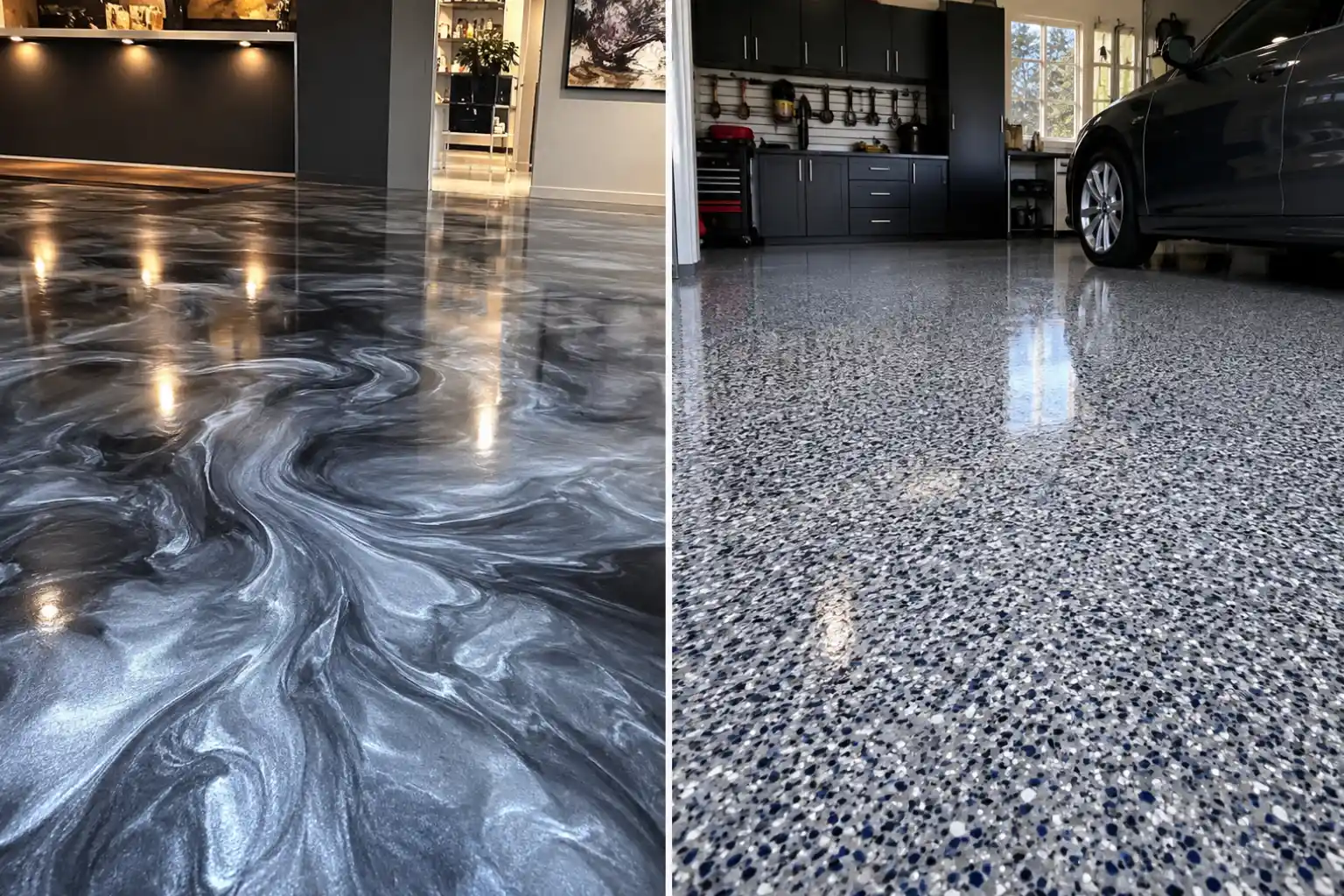
Flake epoxy is one of the most popular basement flooring options because it balances strength, style, and practicality. The system includes an epoxy base, decorative flakes, and a protective topcoat. The flake epoxy flooring adds texture and helps hide dust, small marks, and minor surface imperfections. This makes flake epoxy a smart choice for often-used basements.
Why Flake Epoxy Works Well in Basements
Flake epoxy provides better grip than a smooth, glossy surface. This matters in basements where moisture may sometimes be present. It also gives the floor a finished appearance without making it too delicate. For homeowners comparing epoxy basement floor options, flake systems are often among the most practical choices.
2. Metallic Epoxy
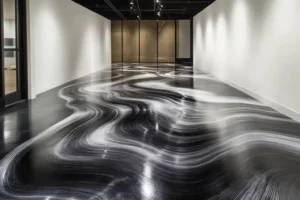
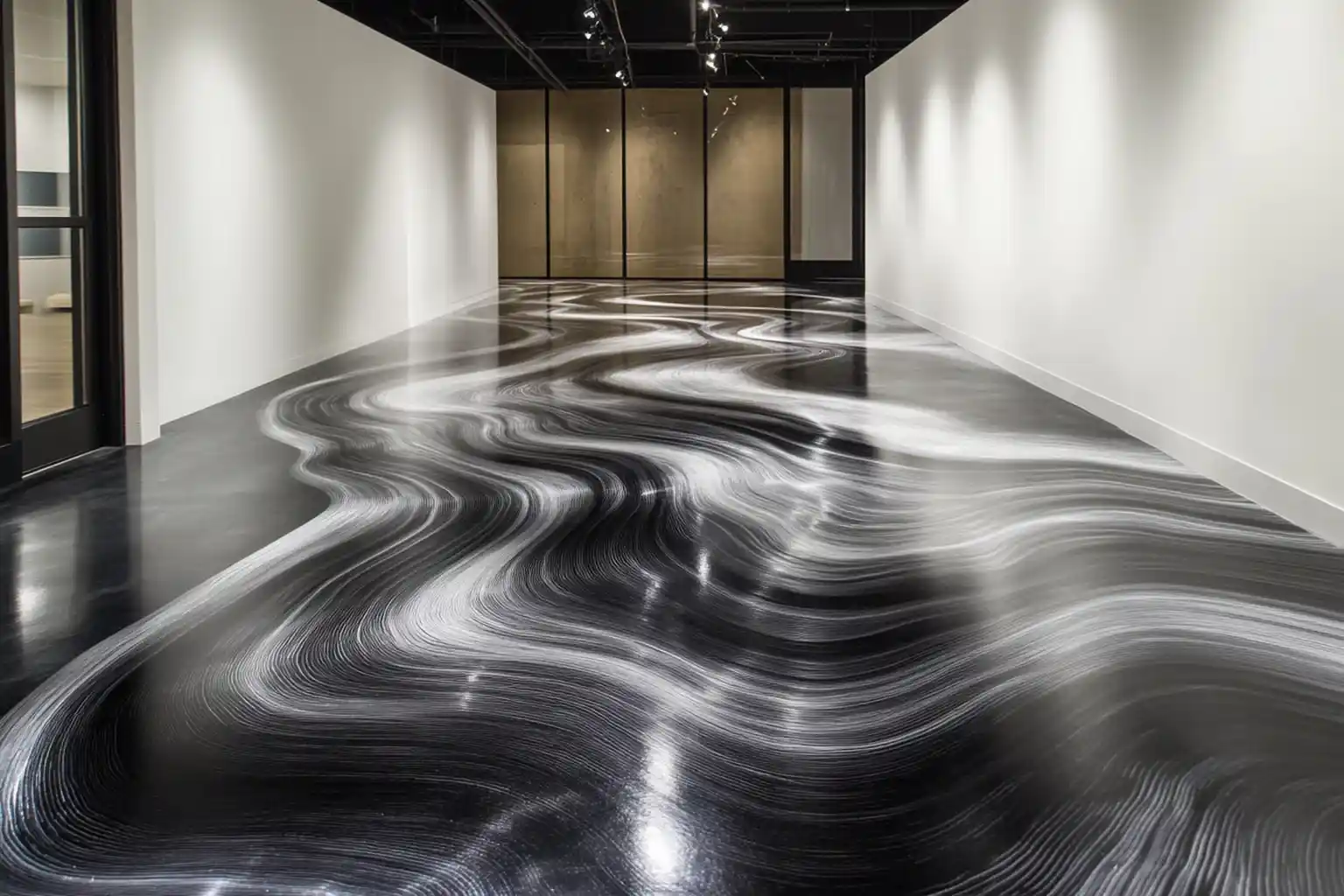
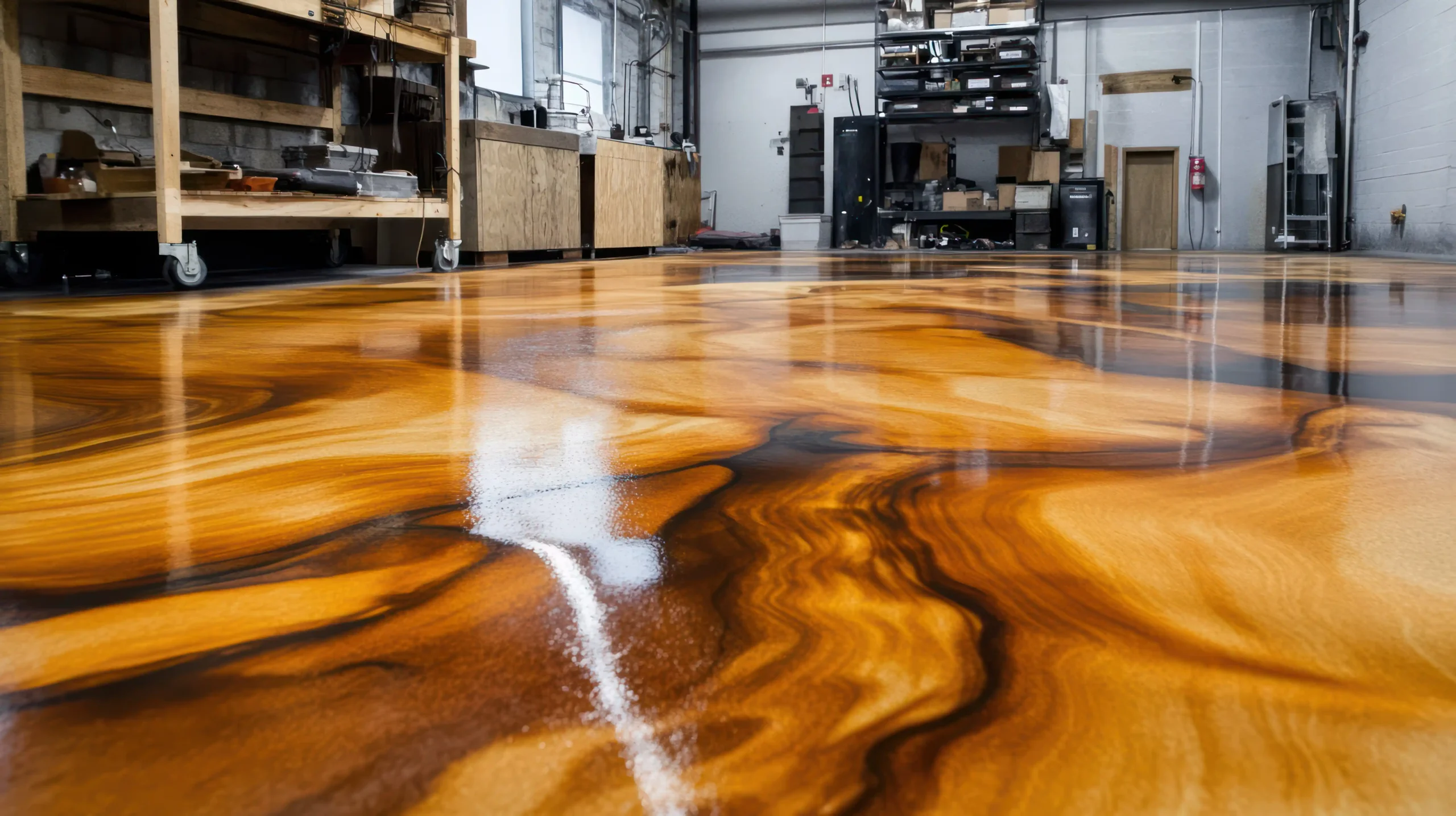
It is a decorative option for homeowners who want a more custom look. Metallic epoxy creates depth, movement, and a polished finish that can resemble marble, stone, or flowing patterns. This makes it ideal for finished basements where design matters. However, it is not always the best option for heavy storage or utility spaces. It requires skilled installation and performs best in areas where the floor is part of the room’s design.
Best Uses for Metallic Epoxy
Metallic epoxy works well in entertainment rooms, lounges, offices, game rooms, and modern finished basements. If your goal is a high-end look, this option can make the basement feel more like a designed living space.
3. Water-Based Epoxy
Water-based epoxy is thinner than professional-grade systems. It is often used for lighter applications or budget-friendly projects. It may improve the look of the concrete, but it usually does not provide the same strength or lifespan as thicker systems. For basements with regular use, moisture concerns, or long-term performance goals, water-based epoxy may not be the best choice.
When Water-Based Epoxy May Be Enough
This option may work in a clean, dry, low-use basement where the main goal is simple surface improvement. However, homeowners should understand that lower cost often comes with lower durability.
4. Polyaspartic Topcoat Protection
A strong topcoat can improve the performance of an epoxy floor. Polyaspartic topcoats are often used to add wear resistance, stain protection, and easier maintenance. They also help protect the surface from scratches and daily use. For basements that will be used regularly, a quality topcoat can make a noticeable difference in how long the floor performs.
5. Moisture-Resistant Epoxy Systems
Moisture is one of the biggest concerns with basement floors. Even when concrete looks dry, vapor can still move through the slab. A moisture-resistant system may include special primers or vapor-control layers. These help reduce the risk of peeling, bubbling, or coating failure.
For homeowners looking for a waterproof epoxy basement floor, it is important to understand that epoxy helps protect the surface, but it should not replace proper waterproofing. Moisture testing should come first.
Signs Your Basement Floor Is Ready for Epoxy Coating
Before applying any basement floor coating, the concrete should be evaluated to ensure proper adhesion and long-term performance.
Signs your basement floor may be ready for epoxy include:
- No active water leaks or flooding issues
- Moisture testing results within acceptable limits
- Surface cracks have been repaired
- Existing coatings or sealers have been removed
- Concrete is structurally sound and stable
Proper preparation helps reduce the risk of peeling, bubbling, and coating failure.
Best Epoxy Type Based on Basement Use
Your basement serves various purposes. The best option for epoxy flooring for a basement depends on how the space will be used.
- For storage basements, flake epoxy is often the most practical. It hides marks, adds texture, and handles regular use well.
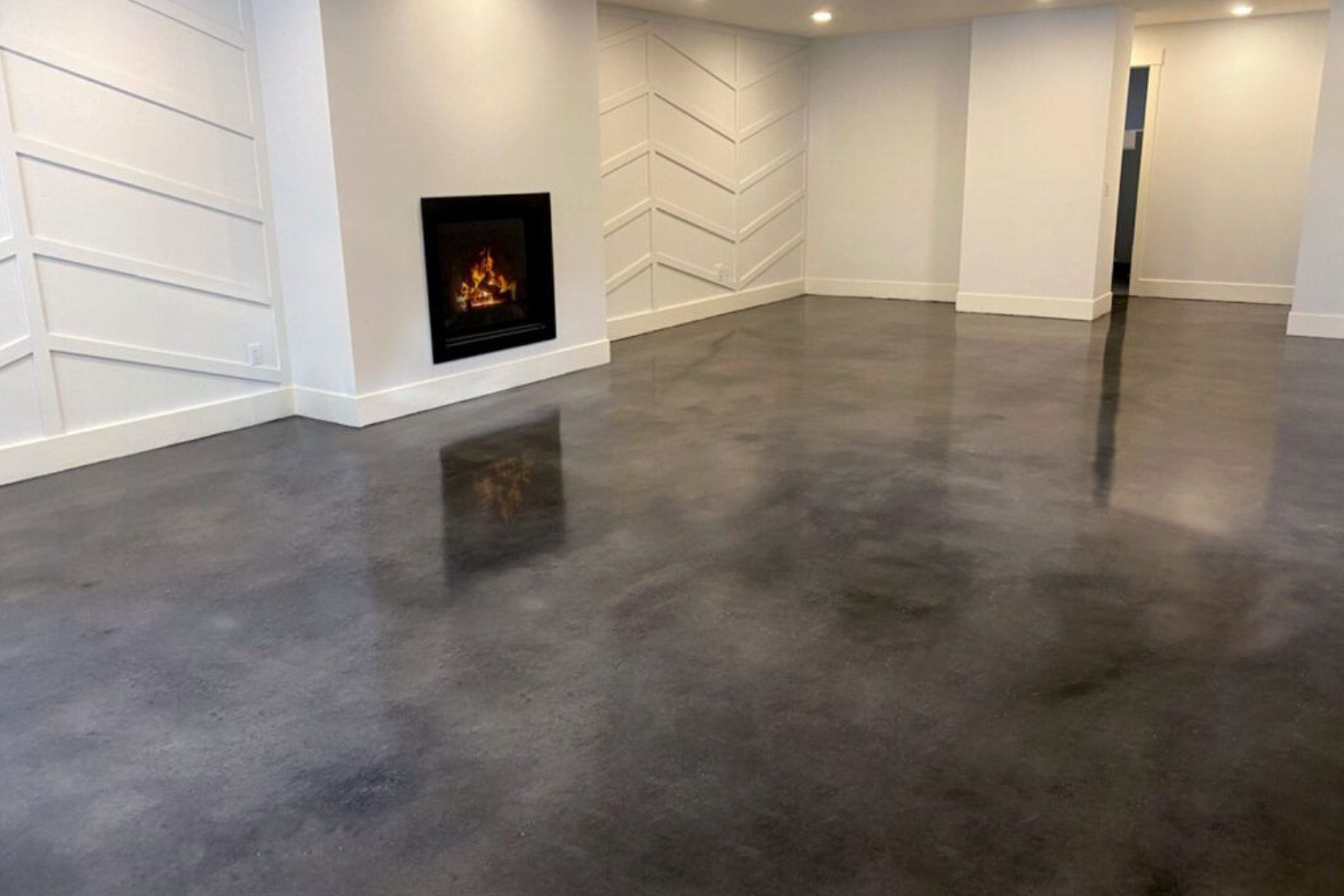
- For finished basements, metallic epoxy or a clean solid-color system may be better because appearance matters more.
- For home gyms, workshops, or high-traffic areas, solid epoxy with a durable polyaspartic topcoat is usually the better choice.
Epoxy vs Other Basement Flooring Options
When comparing concrete floor coatings, epoxy often performs better than many traditional materials in below-grade conditions. Concrete paint is low-cost, but it usually wears down quickly. Vinyl can look good, but moisture beneath the surface may cause lifting. The carpet can feel warm, but it absorbs moisture and odors.
Tile is durable, but grout maintenance and cracking can become concerns. Epoxy creates a seamless surface over concrete. This makes it easier to clean and more resistant to wear than many other basement flooring options.
Basement Epoxy Flooring Cost Considerations
Cost is an important part of choosing the right floor. In most cases, professionally installed epoxy basement flooring costs around $4 to $10 per square foot, while decorative, repair-heavy, or customization-focused projects may reach $12 per square foot or more. Cost of basement epoxy flooring projects can also range widely by total size, with basement installations often estimated from about $1,200 to $20,000 depending on square footage and scope.
Basic coatings usually cost less upfront, but they may need repairs or replacement sooner. Stronger epoxy systems cost more at the beginning but often provide better long-term value. A clean, dry basement may stay closer to the lower range, while a floor with cracks, moisture issues, old coatings, or uneven concrete may cost more because of grinding, patching, primer, or moisture-control work.
The final cost depends on basement size, concrete condition, repair needs, coating type, and finish selection. For most homeowners, the best decision is not the cheapest material. It is the basement floor material that gives the best balance of performance, lifespan, and maintenance.
Common Mistakes When Choosing Basement Flooring
| Common Mistake | What Happens | Better Approach |
| Choosing based only on price | The floor may look good but not handle moisture, traffic, or cleaning | Focus on quality and long-term performance, not just cost |
| Selecting design without considering usage | The floor may look good, but not handle moisture, traffic, or cleaning | Choose flooring based on real basement usage needs |
| Skipping moisture testing | Moisture can cause bubbling, peeling, or coating failure | Always test moisture before installation |
How to Choose the Best Flooring Type for Basement Spaces
Choosing the best flooring type for basement spaces starts with understanding how the area is used and what condition the concrete is in. A good basement floor should support daily use, handle moisture concerns, and stay easy to maintain over time.
- Check the condition of the concrete first: Before selecting any basement flooring option, review the surface carefully. Cracks, stains, old coatings, uneven spots, dusting concrete, and moisture marks can affect which material will work best. If the concrete is weak or damaged, it may need repair or resurfacing before any new floor system is installed.
- Consider moisture and basement conditions: Basements are more likely to deal with dampness than other rooms. If the floor shows signs of moisture, peeling paint, musty smells, or water near the walls, testing should be done before choosing a coating. This helps prevent future problems like lifting, bubbling, or poor bonding.
- Match the floor to how the space will be used: A finished family room may need a cleaner, more decorative finish, while a storage area or workshop may need something stronger and easier to clean. A home gym, laundry area, or rental space may also require better grip, impact resistance, and long-term durability.
- Think about maintenance before choosing: The right floor should make the basement easier to manage, not harder. Choose a material that resists stains, cleans easily, and does not require constant repairs or replacement.
- Focus on long-term value, not just upfront cost: A cheaper floor may save money at first, but it can cost more later if it fails early. The best choice should balance cost, durability, appearance, and performance.
Local Basement Flooring Guidance for New Jersey Homes
New Jersey basements can experience varying moisture levels due to seasonal humidity, groundwater pressure, and soil conditions. Older homes may have uneven concrete, existing repairs, or moisture-related issues that should be addressed before installing epoxy flooring. Epoxy Shine helps determine the best coating system based on the condition of the concrete and the specific needs of the space.
A professional installer can help compare basement floor material types and recommend the best option based on the condition of your space. For homeowners considering basement floor coating in New Jersey, expert guidance can help avoid costly mistakes and improve long-term performance.
Conclusion
The best epoxy type for basement floors depends on moisture conditions, usage, and long-term expectations. For most New Jersey homes, high solids epoxy and flake epoxy systems offer the best balance of durability, protection, and value.
Not sure which epoxy system is right for your basement? A professional floor evaluation can help identify moisture concerns, concrete issues, and the best coating option for long-term performance. Contact Epoxy Shine, the epoxy flooring specialists in New Jersey, to discuss your basement flooring project and receive expert recommendations.