
Basement epoxy flooring can last for many years when installed correctly, but even high-quality coatings can fail if important preparation steps are skipped. Many basement epoxy floor problems begin long before the epoxy is applied, often due to moisture, surface contamination, old coatings, or hidden concrete damage.
In New Jersey homes, basements often deal with damp concrete, peeling paint, uneven slabs, and floors that are difficult to clean. If these issues are not handled before coating, they can lead to weak bonding, epoxy floor bubbling, or epoxy floor peeling in basement spaces.
This guide explains the most common basement epoxy flooring mistakes homeowners should avoid before investing in a new floor. Understanding these issues can help protect your concrete, reduce repair costs, and support a longer-lasting basement epoxy floor.
Key Takeaways
- Moisture causes most epoxy failures.
- Proper surface prep is very important.
- Repair cracks before coating.
- Use the right epoxy type for the space.
- Allow proper curing time.
- Good installation improves durability.
Basement Epoxy Flooring Mistakes and Better Solutions
| Common Issue | What Can Go Wrong | Better Solution |
| No moisture testing | Bubbling or peeling | Test the slab first |
| Poor preparation | Weak bonding | Grind the concrete |
| Unrepaired cracks | Visible defects | Patch damage first |
| Wrong epoxy type | Short lifespan | Match the system to use |
| Rushed curing | Marks or soft finish | Allow proper cure time |
| Low quote selection | Missing key steps | Review what is included |
Not Checking Moisture Before Epoxy Installation
Moisture is one of the main reasons basement epoxy floors fail. Concrete may look dry on the surface, but moisture can still exist deep inside the slab. During inspections, hidden moisture issues are often found even when the floor appears ready for coating.
Because basements sit below ground level, moisture vapor can rise through the concrete and create pressure under the epoxy. This can lead to bubbling, lifting, weak bonding, or peeling months after installation. Moisture testing before coating helps prevent costly removal, grinding, and recoating later.
Treating Epoxy Like Regular Paint
Epoxy should not be treated like regular concrete paint. Paint sits on the surface, while epoxy works as a complete flooring system that depends on proper preparation, repair, mixing, application, and curing.
When epoxy is applied without the right process, it may peel, wear unevenly, or fail to bond with the concrete. Incorrect resin and hardener mixing can also cause soft, sticky, or uneven areas that never cure properly.
Skipping Surface Preparation Before Applying Basement Coating
Surface preparation is one of the most important stages of any epoxy flooring project. Even high-quality products can fail quickly if the concrete is not prepared correctly beforehand. Many basement floors contain hidden contaminants that interfere with bonding. Dust, oil stains, old paint, sealers, adhesive residue, and weak concrete layers can all prevent epoxy from attaching properly to the surface.
Some homeowners believe sweeping or pressure washing the floor is enough preparation, but epoxy requires much more than simple cleaning. Mechanical grinding is typically used to prepare the slab correctly. This process removes weak surface material and opens the pores of the concrete so the epoxy can penetrate and bond effectively. Grinding also creates an even texture across the floor, helping the coating cure consistently.
Ignoring Cracks, Chips, and Uneven Concrete Before Installation
Concrete damage should always be repaired before epoxy flooring is installed. Cracks, low spots, chipped areas, and uneven sections weaken the final surface and affect the overall appearance of the floor. Many homeowners assume epoxy will simply cover imperfections, but coatings often highlight defects instead of hiding them. Once the finish cures, cracks and surface damage may remain visible beneath the coating.
In some cases, untreated cracks continue to shift underneath the epoxy layer. This movement can eventually create stress lines or separation in the coating itself.
Repairing the surface beforehand helps create a stable and level foundation. Fillers and repair compounds are used to strengthen damaged areas before the coating system begins. This improves both the appearance and structural consistency of the finished floor. Uneven concrete can also affect how the coating spreads during installation. Some areas may become too thick while others remain thin, creating an inconsistent finish across the basement.
Choosing the Wrong Epoxy Type for Basement Floor Conditions
Not every epoxy product is designed for basement use. Some coatings are made for light residential applications, while others are built for heavy traffic, moisture resistance, or decorative finishes.
Choosing the wrong system is one of the biggest reasons basement floors fail prematurely. Thin water-based coatings may look attractive at first, but they often wear down faster in high-use spaces. Some low-cost products cannot handle moisture-prone environments and may lose adhesion over time.
On the other hand, heavy-duty systems designed for garages or industrial spaces may not always fit finished basements where appearance matters more. The best epoxy system depends on several factors:
- Basement condition
- Moisture exposure
- Foot traffic
- Storage weight
- Design goals
- Lighting conditions
- Maintenance expectations
Selecting a Smooth Finish Without Considering Basement Safety
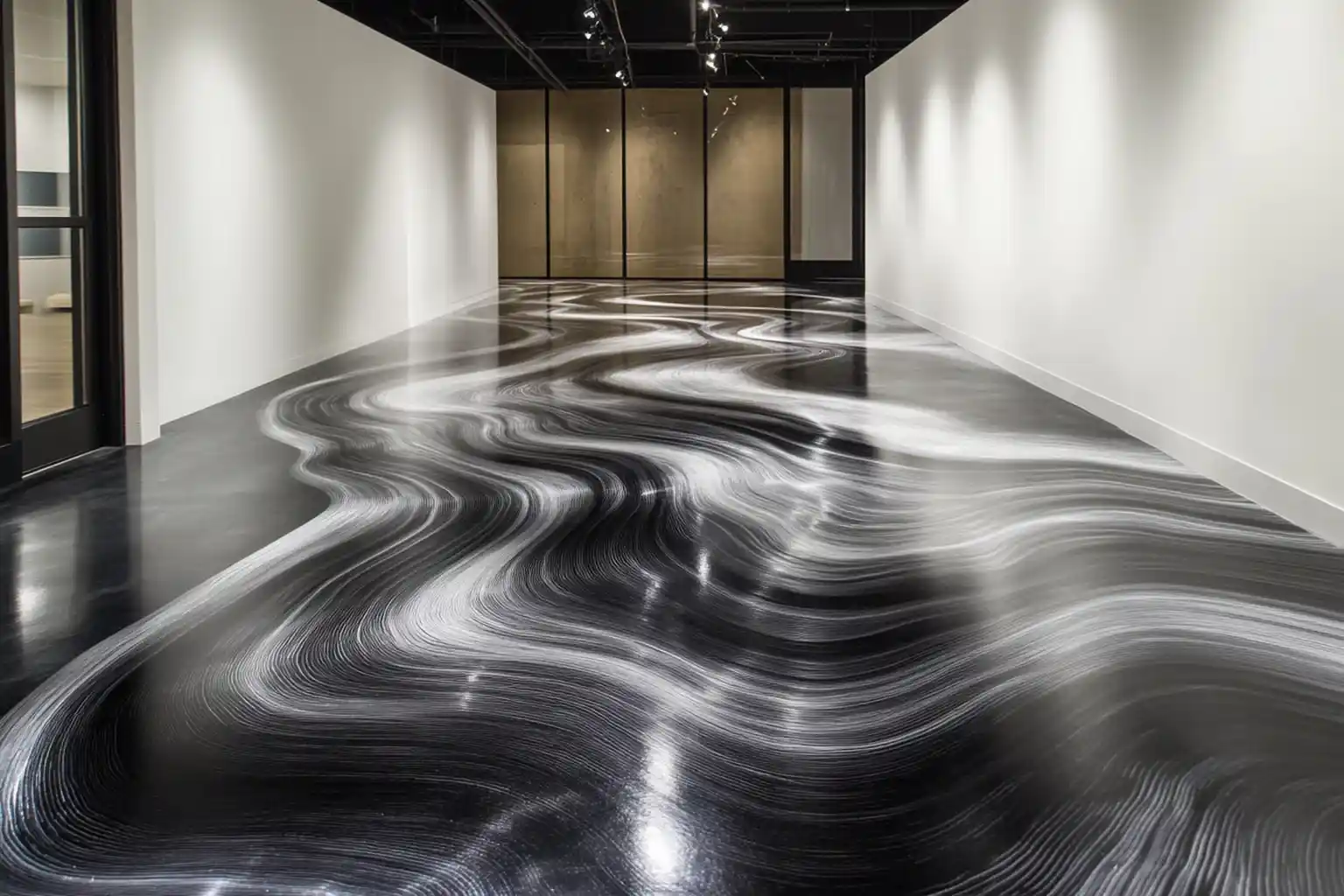
A glossy epoxy finish can look clean and modern, but appearance should not be the only factor when selecting a basement floor texture. Some basements experience occasional moisture, laundry activity, storage movement, or regular foot traffic. In these spaces, a completely smooth finish may become slippery when wet. This becomes especially important for families with children, pets, or elderly homeowners.
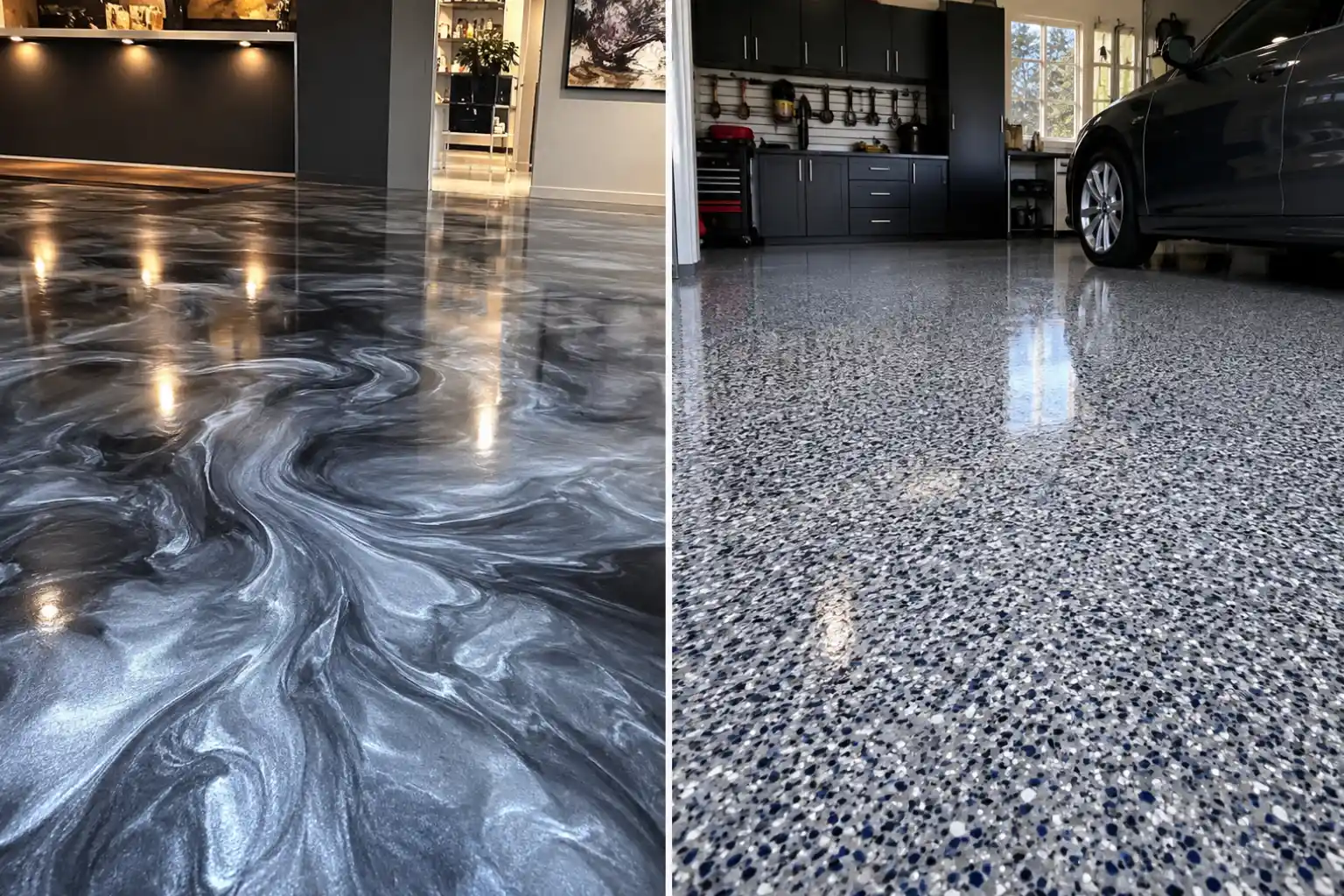
Textured finishes and flake systems often provide better traction while still maintaining a clean appearance. These systems reduce slipping risk without sacrificing durability or visual appeal. The floor finish should match how the basement is actually used rather than focusing only on showroom appearance. A practical finish often performs better long-term than one selected only for design purposes.
Allowing Foot Traffic Before Epoxy Fully Cures
One common mistake homeowners make is using the basement floor too soon after installation. Epoxy may feel dry to the touch before it has fully cured, but that does not mean the surface is ready for normal use.
Dry-to-touch means the coating surface is no longer wet. Full curing means the epoxy has reached the strength needed to handle foot traffic, furniture, storage bins, appliances, and regular basement use.
Basement humidity can also affect cure times. In damp or poorly ventilated basements, epoxy may need more time to harden properly. Moving heavy furniture or stored items back too early can leave marks, dents, or pressure damage on the coating.
Homeowners should always follow the manufacturer-recommended cure period or the installer’s guidance. Rushing this step can weaken the finish and reduce the life of the floor.
How to Fix Epoxy Mistakes Often Costs More Than Doing It Right
Trying to save money by skipping preparation can lead to higher costs later. Failed epoxy is not always easy to fix because the damaged coating usually needs to be removed before the floor can be recoated.
Repairing failed epoxy may require grinding off the old coating, cleaning the concrete again, repairing damaged areas, retesting moisture, and applying a new system. This adds labor, time, and material costs.
Common repair costs come from:
- Removing peeling or bubbling epoxy
- Regrinding the concrete surface
- Repairing cracks or coating damage
- Applying primer again
- Recoating the full basement floor
- Losing access to the basement during repairs
This is why proper epoxy flooring preparation is more valuable than choosing the cheapest installation option. Doing the work correctly the first time usually costs less than fixing a failed floor later.
Conclusion
Most basement epoxy flooring mistakes are preventable when the installation process is followed correctly from start to finish. Moisture testing, surface preparation, crack repair, product selection, and curing time all affect how well the floor performs.
If you are planning a basement epoxy flooring project, professional moisture testing and surface preparation can help prevent costly failures and extend the life of your floor. Understanding the condition of the concrete before installation is one of the most important steps toward achieving long-term results.
A well-installed epoxy floor is not just about appearance. It helps protect the concrete floor, improves basement usability, reduces maintenance, and creates a cleaner surface for daily use. Epoxy Shine helps New Jersey homeowners identify basement moisture and epoxy risks before installation begins. Schedule a basement floor inspection to learn whether your concrete needs moisture testing, crack repair, surface grinding, or a complete epoxy flooring system before small problems become expensive repairs.