
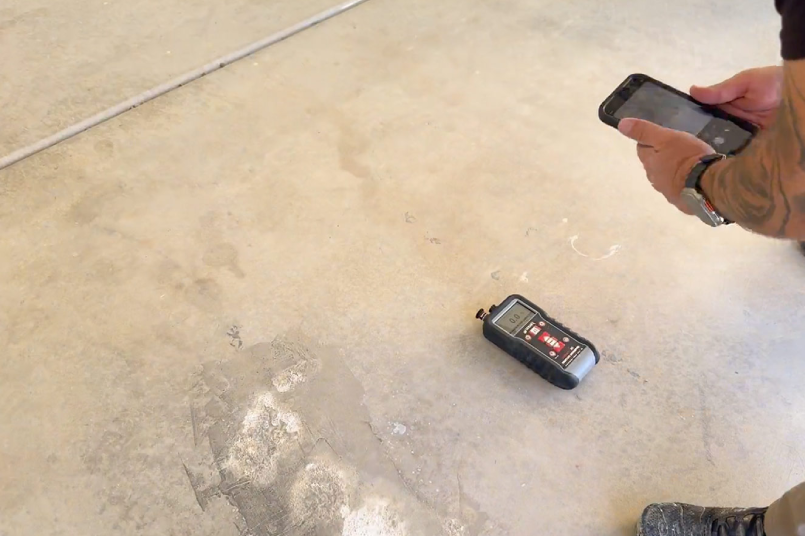
Before installing epoxy on a basement floor, moisture should always be checked. Many basement epoxy flooring failures begin because the concrete was coated too quickly without proper testing. Moisture testing and waterproofing are important because hidden vapor, damp concrete, and water seepage can cause coating failure. A basement floor may look clean and dry, but moisture can still move through the slab and affect the bond between the concrete and the coating.
In New Jersey homes, basements can be affected by humidity, rainfall, drainage issues, foundation cracks, and underground moisture. These problems are not always visible. A floor may appear dry on the surface while still releasing moisture vapor from below. This guide explains why moisture testing and waterproofing matter before basement epoxy flooring, what warning signs to look for, and when additional preparation may be needed before coating begins.
Key Takeaways
- Basement concrete can hold hidden moisture even when it looks dry.
- Moisture testing helps reduce the risk of peeling, bubbling, and weak bonding.
- Waterproofing should be completed first if water is actively entering the basement.
- Vapor-control primers may be needed when moisture vapor is present.
- Proper testing and preparation help improve the life of the epoxy floor.
- New Jersey basements often need careful moisture evaluation due to humidity, rain, and older concrete conditions.
Why Moisture Testing Is Essential Before Basement Epoxy Flooring
Moisture testing is a crucial step before Basement epoxy installation because it confirms whether a concrete surface is truly ready for coating. Even when a basement looks clean and dry, the slab can still hold hidden moisture due to its naturally porous structure.
If epoxy is applied without checking moisture levels, trapped vapor can build up beneath the coating over time. This pressure may lead to issues such as bubbling, peeling, poor adhesion, or premature coating failure.
According to industry guidance from concrete and coatings organizations, moisture vapor transmission is one of the most common causes of coating adhesion problems in concrete flooring systems. Hidden moisture beneath the slab can create pressure that weakens the bond between the concrete and the epoxy coating over time.
By testing the concrete in advance, installers can detect hidden dampness early and ensure the floor is properly prepared, resulting in a stronger and longer-lasting epoxy finish.
Common Signs of Moisture Problems in Basement Floors
Some moisture problems are easy to see, while others remain hidden beneath the surface. Homeowners should inspect the basement carefully before planning any epoxy flooring project.
Common warning signs include:
- Dark patches on the concrete floor
- White powder or mineral deposits (efflorescence)
- Peeling paint or old floor coatings
- Damp corners near walls or foundation edges
- Water seepage along wall-floor joints
- Standing water after heavy rain
- A musty odor caused by excess moisture or poor airflow
Even when these signs are not visible, moisture testing is still recommended because water vapor can move through the concrete slab without leaving obvious surface evidence.
Moisture Warning Signs and What They May Mean
Moisture warning signs help identify hidden dampness or seepage in the concrete before epoxy flooring is installed. Recognizing these early signs ensures proper preparation and reduces the risk of coating failure later
| Warning Sign | What It May Indicate | Why It Matters Before Epoxy |
| White powder on concrete | Moisture-carrying minerals upward | Surface may need cleaning and testing |
| Dark floor patches | Dampness inside the slab | Coating may not bond properly |
| Musty smell | Poor airflow or hidden dampness | The basement may need moisture correction |
| Peeling old paint | Vapor pressure under coating | New coating may fail too |
| Water near walls | Seepage or drainage issue | Waterproofing may be needed first |
| Damp corners | Moisture movement near foundation edges | Floor and wall joints should be checked |
| Soft or dusty concrete | Surface weakness | Concrete may need grinding and repair |
When Waterproofing Is Needed Before Epoxy
Epoxy can help protect the surface, but it should not be used to cover active water problems. If water is entering the basement, that issue should be corrected before coating begins. Water may come through foundation cracks, wall-floor joints, basement windows, or poor exterior drainage.
If these issues remain active, moisture can continue pushing against the floor system after epoxy is installed. Waterproofing may be needed when there is visible seepage, repeated dampness after rain, water pooling near walls, or cracks that allow moisture movement. Once the source is controlled, the epoxy system has a better chance of performing correctly.
Moisture Resistance vs Waterproofing
Moisture resistance and waterproofing are not the same thing. Moisture-resistant flooring helps reduce surface moisture absorption and protects the floor from normal damp conditions. Epoxy coatings can create a protective barrier that limits moisture penetration through the surface of the concrete.
Waterproofing, on the other hand, addresses active water intrusion entering the basement through cracks, wall-floor joints, foundation issues, or drainage problems. Waterproofing solutions may include crack sealing, drainage improvements, foundation repairs, or other measures designed to stop water from entering the space.
This distinction is important because epoxy can help protect against moisture, but it cannot replace proper waterproofing when active leaks or water seepage are present.
How Moisture Test Results Affect Epoxy Flooring Selection
Moisture test results help guide the full coating plan. If the slab is stable and moisture levels are acceptable, the floor may be ready for standard epoxy preparation. If moisture vapor is moderate, a vapor-control primer may be recommended before coating. If active water is present, waterproofing should be completed first. This is why choosing the best epoxy type for the basement floor should happen after moisture evaluation, not before. The right system depends on the actual condition of the concrete.
Why Skipping Moisture Testing Can Cost More Later
Skipping moisture testing may save time at the beginning, but it can create bigger problems later. If epoxy fails because of hidden moisture, the coating may need to be removed. The concrete may then require grinding, repair, testing, primer, and a new coating. This usually costs more than preparing the floor correctly the first time. Testing helps prevent early failure and protects the investment in the basement floor coating.
How Moisture Affects Basement Flooring Options
Moisture can damage many basement flooring materials, not just epoxy.
Here’s how different flooring types respond to moisture:
- Carpet: Absorbs moisture easily, leading to dampness, odors, and possible mold growth
- Vinyl flooring: Can lift or separate if water becomes trapped underneath
- Concrete paint: May peel or flake when moisture vapor rises through the slab
- Tile flooring: Performs better in damp areas, but grout lines can still absorb moisture and require maintenance
- Epoxy flooring: Performs well in basements when properly tested, prepared, and installed using correct moisture control methods
Epoxy flooring can perform very well in basements, but only when the concrete is properly tested, prepared, and coated using the correct installation methods.
When Should Basement Moisture Testing Be Performed in New Jersey?
Moisture levels can change throughout the year. In New Jersey, basements may show more moisture after heavy rain, snowmelt, or humid summer weather. Testing during or after damp weather can sometimes reveal issues that may not appear during dry conditions. If a basement has a history of dampness, moisture testing should be done before any installation date is confirmed. A local flooring professional can help decide when testing will provide the clearest result based on the home’s condition and recent weather.
Local Basement Moisture Testing Services in New Jersey
Homeowners in New Jersey can get basement moisture testing before installing epoxy flooring. This service helps determine whether the floor is ready for coating or needs additional preparation. A local inspection is especially useful for homes with older slabs, previous coatings, musty basements, or visible damp areas. It helps reduce the risk of future peeling, bubbling, or coating separation. Epoxy Shine provides basement floor evaluations and epoxy coating services for New Jersey homeowners who want the project done correctly from the start.
Basement Waterproofing Preparation for New Jersey Homes
Waterproofing preparation should be considered when a basement has active water entry or signs of past moisture damage. Some homes may need foundation crack repair, drainage improvements, concrete sealing, or floor-wall joint treatment. Others may only need moisture testing, surface grinding, and primer support. The right preparation depends on the condition of the basement. This is why homeowners should not choose an epoxy coating based only on color or appearance. The floor should first be checked for moisture behavior and surface stability.
Preparing the Basement Before Epoxy Installation
Before coating begins, the basement should be cleared, inspected, and evaluated. The concrete should be checked for cracks, damp areas, old coatings, stains, and weak surface layers. Any active water issue should be corrected before moving into the coating process. Once moisture concerns are handled, the project can move forward with surface grinding, repair, primer, epoxy coating, and topcoat.
Professional Guidance for Basement Floors in New Jersey
Basement conditions vary from home to home. Some properties have older concrete, previous coatings, poor drainage, or seasonal dampness. A professional evaluation helps identify these risks before installation begins. It also helps homeowners choose the right preparation method and epoxy system based on the real condition of the floor. Epoxy Shine helps New Jersey homeowners inspect basement floors, identify moisture concerns, and install coating systems designed for long-term use.
Conclusion
Moisture testing and waterproofing are key parts of a successful basement epoxy flooring project. A basement floor must be stable, dry enough, and properly prepared before coating begins. When moisture issues are handled first, epoxy has a better chance to bond, cure, and last. If your basement has damp spots, peeling old paint, musty smells, or cracks near the floor, testing should happen before choosing any coating.
Ready to Protect Your Basement Floor Before Coating?
Not sure whether your basement is ready for epoxy flooring? Contact Epoxy Shine for a professional moisture evaluation and basement floor inspection. We’ll identify hidden moisture issues before they turn into costly coating failures.