
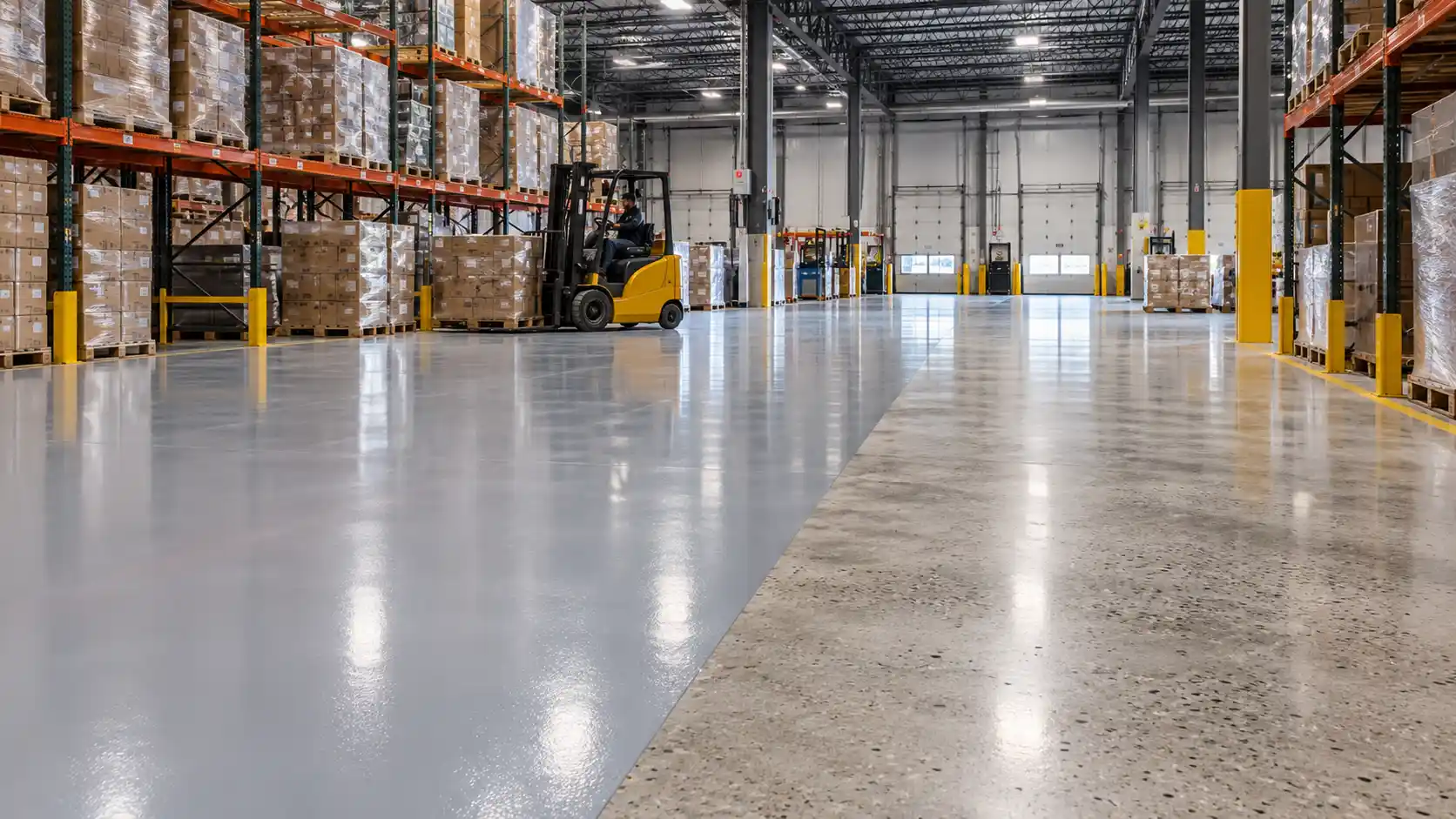
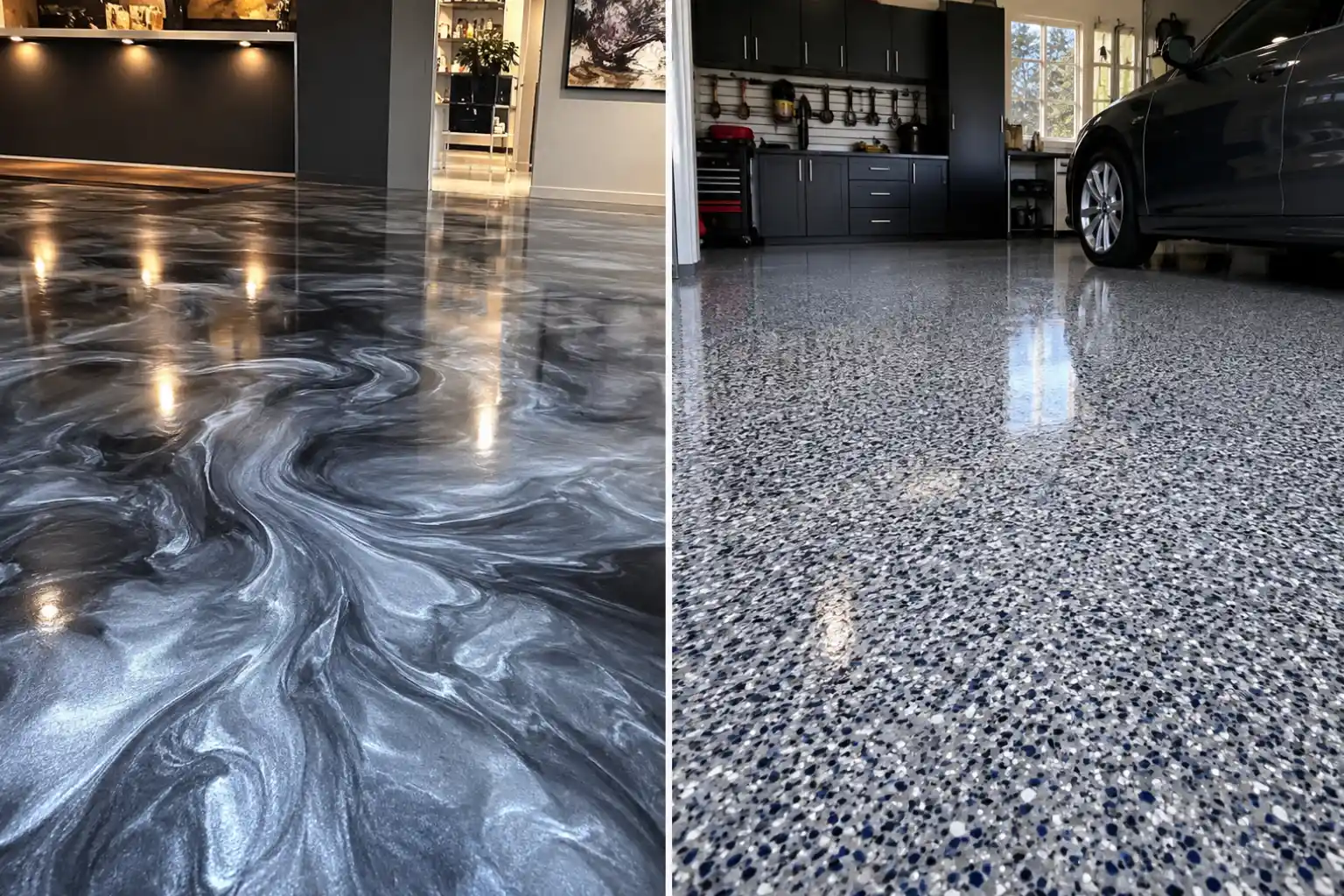
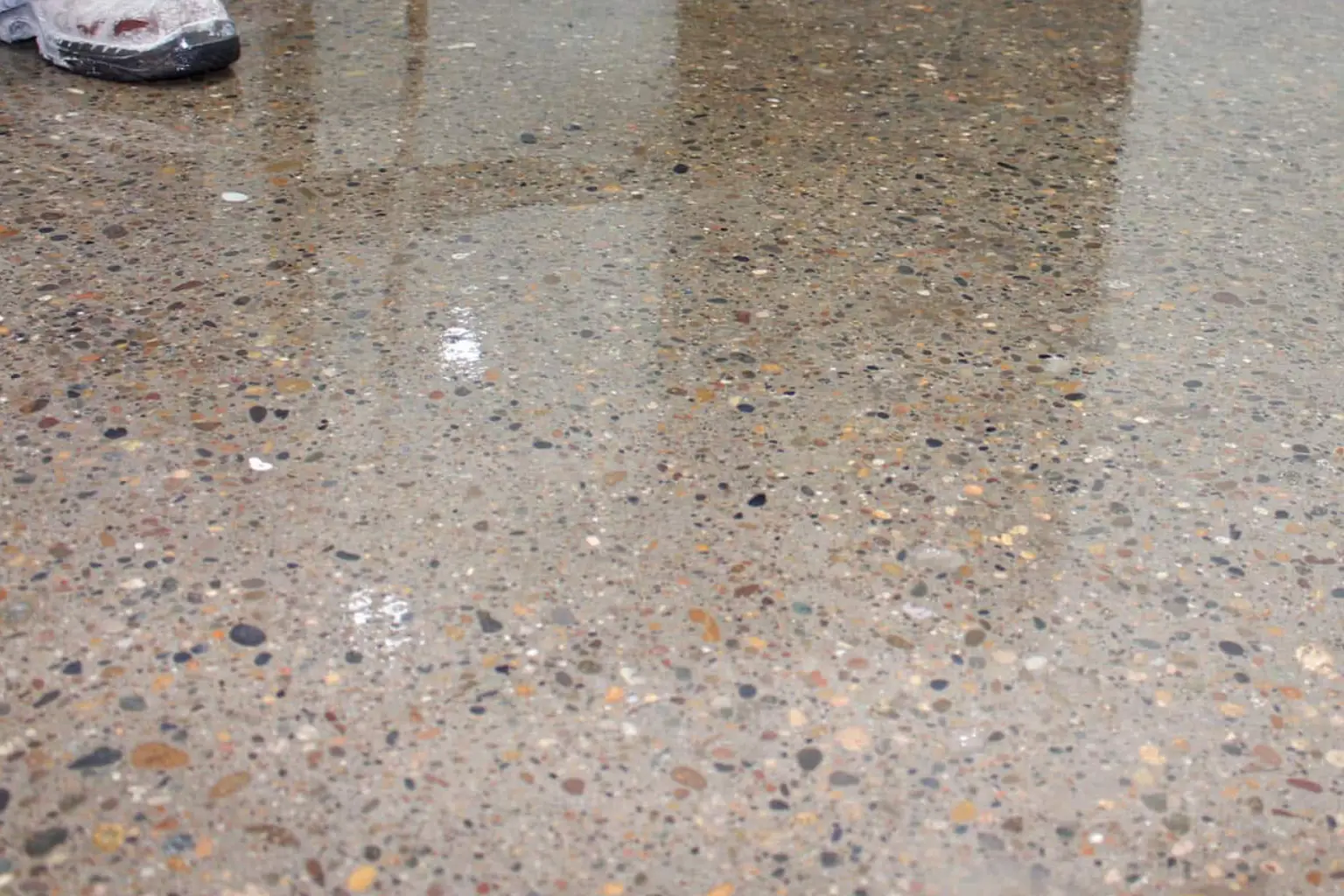
Industrial concrete floors experience daily wear from heavy machinery, foot traffic, and spilled chemicals. Over time, the surface can become damaged without proper protection, leading to costly repairs. That’s why sealing concrete floors is so important.
In warehouses, factories, and other commercial spaces in New Jersey, a quality industrial concrete floor sealer helps keep floors strong, safer, and easier to maintain. In this guide, we will explain how to seal an industrial concrete floor and why proper sealing matters.
Why Your Concrete Floor Needs Sealing
Concrete appears strong, but it is actually porous and can absorb water, oils, dirt, and chemicals. Over time, this may lead to stains, cracks, surface dusting, and serious floor damage. Sealing industrial concrete floors provides a protective layer that helps reduce these issues and keeps the surface in better condition.
A sealed floor is stronger, easier to clean, and better protected against moisture and stains. It also improves the overall appearance of the space, making it look cleaner, more professional, and better maintained.
How to Seal an Industrial Concrete Floor: Step-by-Step Process
Sealing a concrete floor may look simple, but it requires the right preparation, product selection, and application method to get lasting results.
Below is a step-by-step guide to help you understand the process.
1. Prepare the Floor for Sealing
Before sealing, you must ensure the floor is clean, dry, and properly prepared. Clean the surface thoroughly with a suitable cleaner to remove dirt, dust, oil, grease, and other contaminants. If there are cracks, holes, or damaged areas, repair them before applying any sealer.
Once the surface is prepared, allow it to dry fully before starting the sealing process. In industrial spaces, concrete grinding or surface profiling may also be needed to help the sealer bond properly.
2. Select the Proper Sealer
Not all sealers are the same, so it is important to choose one that works best for your space. Acrylic sealers are simple to apply and can improve the appearance of the floor. Penetrating sealers are useful for moisture protection because they absorb into the concrete pores. Epoxy sealers are strong and work well in high-traffic areas such as warehouses. Polyurethane sealers provide strong wear resistance and can add a glossy finish.
The right industrial concrete floor sealer depends on traffic level, moisture exposure, chemical spills, cleaning needs, and the condition of the concrete.
3. Apply the Sealer
When applying the sealer, make sure the surface is covered evenly. You can use a roller or sprayer to achieve smooth coverage. Apply the sealer in thin layers instead of one thick layer. Allow each layer to dry properly before applying the next one.
This method helps create a stronger and more durable finish. Always follow the manufacturer’s instructions for drying time, coverage rate, and curing time.
4. Allow It to Dry and Maintain It Properly
After sealing, allow the floor to dry before regular use. In many cases, sealed concrete floors need at least one to two days before light use, but the exact time depends on the type of sealer, temperature, humidity, and project conditions.
To keep your sealed floor in good condition, clean it with mild cleaning solutions and avoid harsh chemicals unless the floor system is designed for them. With proper maintenance, your floor can remain strong, safe, and clean for years.
Choosing the Right Industrial Concrete Floor Sealer
Not all concrete floors require the same type of sealer. The correct choice depends on how your facility uses the floor and what level of protection is needed. For example, if your space has heavy equipment, such as warehouses or factories, epoxy or polyurethane sealers are often better options for industrial flooring because they can handle constant wear and load.
Penetrating sealers are better for areas with high moisture exposure or frequent spills because they absorb into the concrete pores and help reduce water damage. If you are working with a smaller budget but still want basic protection and improved appearance, acrylic sealers can be a practical option.
Although this may sound easy, selecting the right sealer can be difficult without professional guidance. Professional concrete sealing services help ensure you get the right solution for your floor requirements. They also make sure the application is done correctly for long-term results.
Benefits of Professional Concrete Sealing Services
While it may seem tempting to seal concrete floors on your own, DIY results often do not last. Applying a sealer the wrong way can leave uneven coverage, weak spots, or peeling. Professional concrete sealing services help ensure that your floor is sealed correctly and protected for long-term use.
Key Benefits of Hiring Professionals
- Professionals check which sealer works best for your facility, traffic level, and environment.
- With the right tools and techniques, they provide smooth and even coverage.
- Professional sealing lasts longer and reduces the need for frequent reapplication.
- Proper sealing helps prevent costly repairs by protecting the floor the right way from the start.
- Many professional services include clear workmanship standards and quality checks.
If you are serious about protecting your industrial floors, Epoxy Shine can help. Our team provides concrete floor sealing services for warehouses, factories, commercial spaces, and industrial facilities that need durable, safe, and clean-looking floors.
Cost of Sealing Industrial Concrete Floors
Sealing an industrial concrete floor does not cost the same for every project. The price depends on several factors, including the type of sealer, the size of the floor, the surface condition, and whether repairs are needed before sealing. Labor, preparation work, and application method also affect the final concrete floor sealing cost.
In general, sealing concrete floors can cost around $2 to $7 per square foot. Although this may seem like a high cost at first, it can save money in the long run. A sealed floor is more durable, requires fewer repairs, and helps reduce damage from cracks, stains, moisture, and chemical exposure.
| Type of Sealer | Cost per sq. ft. | Features |
| Acrylic Sealers | $2 – $4 | Budget-friendly and provides basic protection |
| Penetrating Sealers | $3 – $5 | Good for moisture and water resistance |
| Epoxy Sealers | $4 – $7 | Strong option for heavy traffic areas |
| Polyurethane Sealers | $5 – $7 | Durable finish with good wear resistance |
Common Mistakes to Avoid When Sealing Concrete Floors
Even the best concrete sealer may fail if the floor is not prepared or sealed correctly. Avoiding common mistakes can help improve durability, appearance, and long-term performance.
Applying Sealer to a Dirty Surface
Dust, oil, grease, and debris can prevent the sealer from bonding properly to the concrete. Always clean the floor thoroughly before starting the sealing process.
Skipping Crack and Surface Repairs
Small cracks, holes, and damaged areas should be repaired before sealing. Applying a sealer over damaged concrete may lead to poor results and a shorter lifespan.
Choosing the Wrong Type of Sealer
Different facilities have different requirements. Using a sealer that is not designed for your traffic levels, moisture conditions, or chemical exposure can reduce performance and durability.
Applying Thick Coats
Many people assume that a thicker coat provides better protection, but this can cause uneven drying, bubbling, or peeling. Thin, even coats usually provide better results.
Ignoring Moisture Issues
Concrete can contain moisture that rises through the slab. If moisture problems are not identified before sealing, the coating or sealer may fail prematurely. Moisture testing is recommended for many industrial flooring projects.
Not Allowing Proper Curing Time
Using the floor before the sealer has fully cured can damage the finish and reduce its effectiveness. Always follow the manufacturer’s recommended curing times before returning the floor to service.
By avoiding these common mistakes, facility owners can help ensure their concrete floor sealing project delivers long-lasting protection and reliable performance.
Conclusion
Sealing concrete floors is one of the smartest ways to protect your facility from wear, chemicals, moisture, and costly repairs. By understanding how to seal an industrial concrete floor and choosing the right industrial concrete floor sealer, you can improve durability, safety, and long-term floor performance.
While DIY sealing is possible, professional concrete sealing services usually provide better results, especially for warehouses, factories, garages, and commercial facilities. With Epoxy Shine concrete sealing solutions, you can protect your industrial floors and keep your facility looking clean and professional for years.
If you are looking for professional industrial concrete floor sealing in New Jersey or nearby areas, Epoxy Shine is ready to help.
FAQs
Why should I seal an industrial concrete floor?
Sealing industrial concrete floors helps protect against cracks, stains, moisture, dusting, and surface damage. With proper concrete sealing, you can reduce maintenance costs, avoid costly repairs, and extend the lifespan of your floor.
How do I prepare and apply a concrete sealer?
To seal a concrete floor, first clean the surface, remove oil and dust, and repair cracks or damaged areas. After the floor is fully dry, choose the right industrial concrete floor sealer. Apply thin, even coats using a roller or sprayer, and allow each layer to cure properly.
What is the cost of sealing an industrial concrete floor?
The cost of sealing concrete floors usually ranges from $2 to $7 per square foot. The final price depends on the sealer type, floor condition, surface preparation, repair needs, and whether you hire professional concrete sealing services.
How long does a sealed floor last?
A properly sealed concrete floor can last 3 to 10 years, depending on traffic levels, maintenance, surface preparation, and the type of concrete sealing system used. Epoxy and polyurethane sealers usually provide stronger protection for industrial spaces.
Does epoxy make a concrete floor slippery?
Epoxy can feel slippery when wet if it is applied as a smooth finish. Professional concrete sealing services can add slip-resistant additives to improve traction, making epoxy floor sealing more suitable for warehouses, factories, and other industrial spaces.