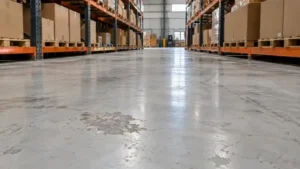

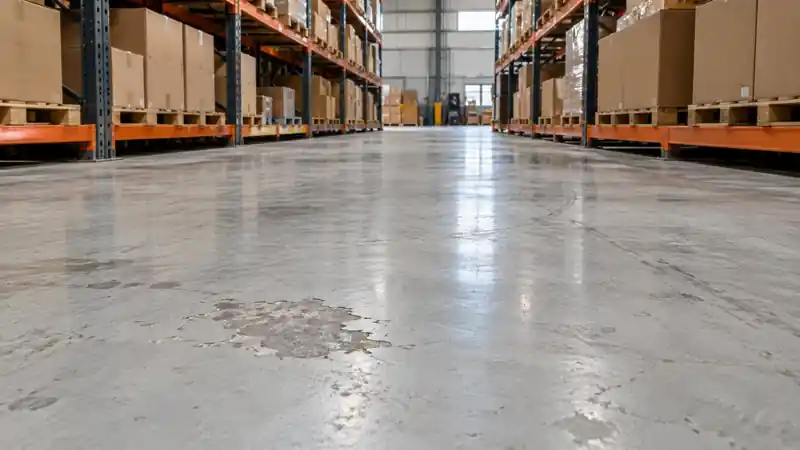

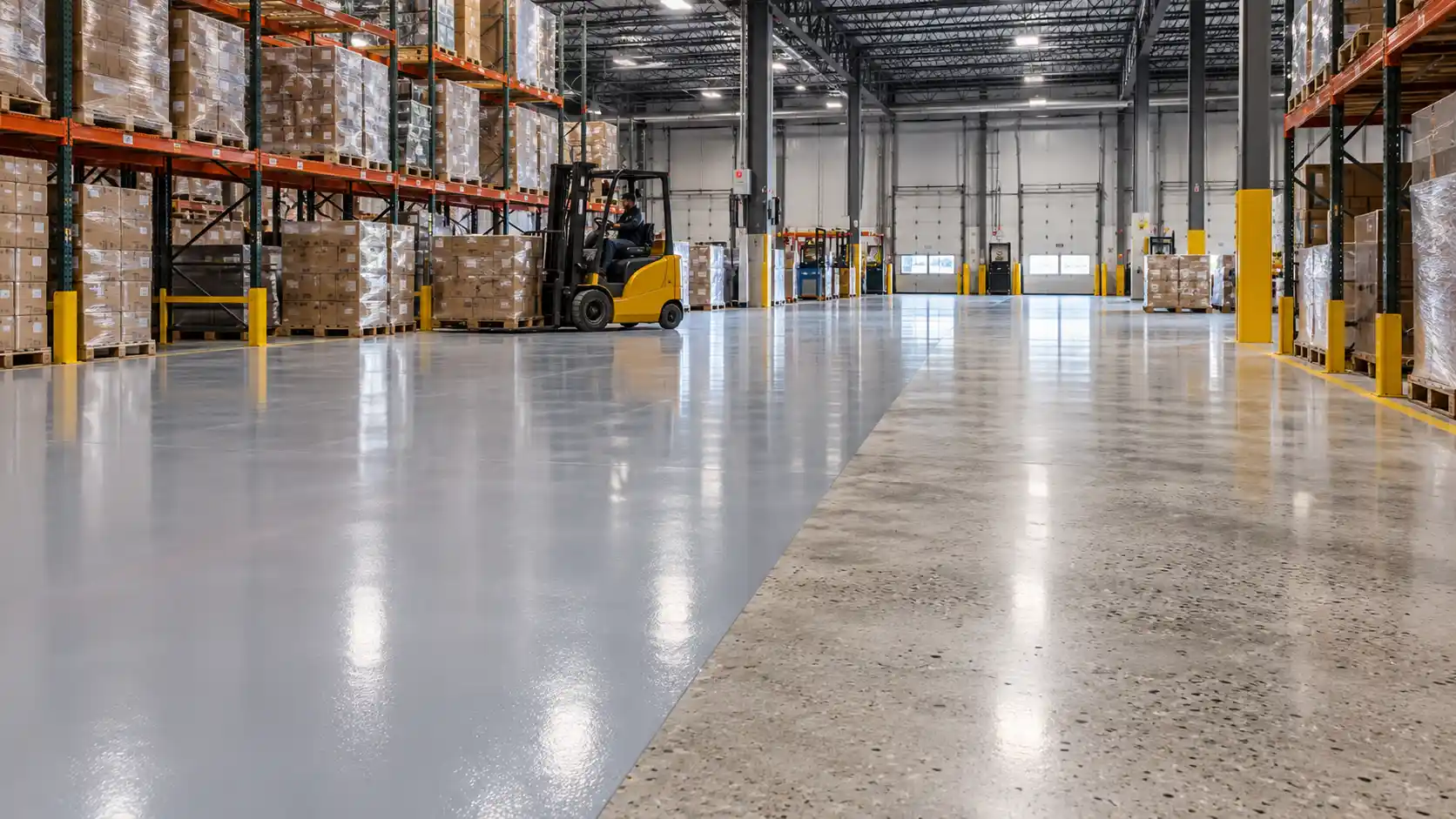
Warehouse floor repair does not always require removing the entire coating. Isolated cracks, damaged joint edges, or small areas of spalling may be repairable while the surrounding floor remains in place. Recoating may be an option when the existing finish is firmly bonded, compatible with the proposed system, and suitable for proper preparation. Loose coatings or recurring damage need further investigation before another layer is applied.
For New Jersey warehouse managers, the decision also involves access: which aisles can close, where stock can move, and when forklifts must return. When planning repairs with Epoxy Shine, evaluate the floor’s condition and daily use to determine the right repair approach and whether a larger warehouse flooring solution is needed to address ongoing damage and operational demands.
Key Takeaways
- Concrete damage, coating failure, and damaged joints require different assessments.
- Localized defects do not automatically mean the whole floor needs removal.
- Recoating requires a sound, properly prepared, compatible underlying surface.
- Joint repairs must account for the joint’s purpose and expected movement.
- Work windows need to cover preparation, repairs, coating, and return to traffic.
- A useful proposal separates repair quantities, coating removal, and recoating areas.
First, Identify What Is Failing: Concrete, Coating, or Joints
A peeling finish and a crumbling concrete edge can appear in the same aisle, but they describe different problems. Before deciding on warehouse concrete repair, establish which material is failing and how far the damage extends.
Cracks in the concrete
A crack may be confined to one area or continue beneath the coating. Its width matters, but so do its history, surrounding condition, and whether the edges sit at different heights. A crack that has reopened after previous repairs deserves a closer assessment before the same treatment is repeated.
Filling can address suitable cracks as part of a repair plan, but it does not automatically correct ongoing movement. If a crack is widening, accompanied by settlement, or creating a change in level, further evaluation may be needed before selecting a surface repair.
Spalling and broken surface edges
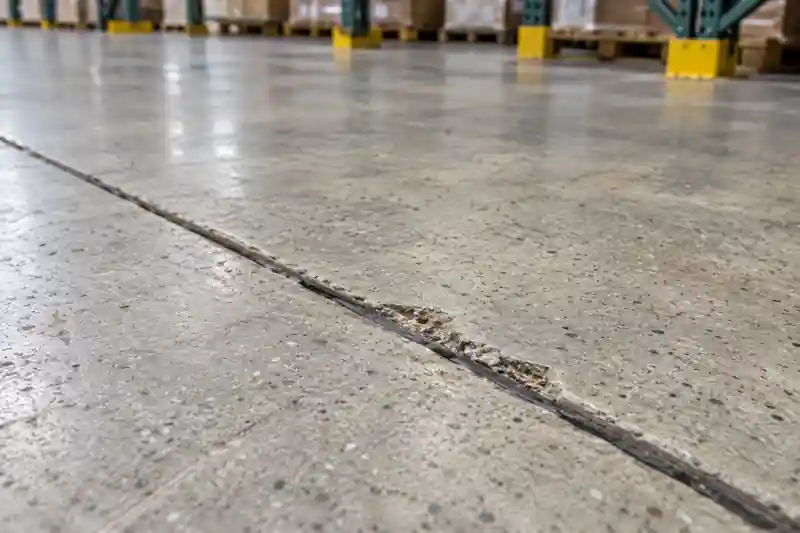
Warehouse floor spalling involves concrete breaking away, leaving shallow depressions, rough patches, or damaged edges. The repair scope depends on the extent and depth of unsound material, rather than just the size of the visible mark.
Pay particular attention to spalling beside joints and along equipment routes. A surface patch may look straightforward, but damaged edges can require more preparation than an isolated shallow defect. Appropriate concrete floor repairs begin by establishing what can remain and what needs removing.
Peeling or lifting epoxy
Epoxy floor peeling can occur where the coating separates from the concrete or where one coating layer separates from another. Contamination, moisture-related conditions, inadequate preparation, and application or compatibility problems are possible causes.
The important distinction is between a finish that is worn and one that is losing adhesion. Applying a fresh coating over a loose layer leaves that weak layer beneath the new work. The assessment should establish the extent of failure and whether the apparently intact surrounding coating is suitable to retain.
Damaged joints
Concrete joint repair needs a different approach from filling a random crack. Joints serve different purposes, and their treatment must account for movement as well as equipment traffic.
Where forklift wheels repeatedly cross a joint, inspect the edges as well as the filler. Missing filler and broken concrete edges are different repair items. A proposal should explain whether the work involves replacing filler, rebuilding edges, or another specified treatment.
Repair, Recoat, or Remove: Which Approach Fits the Floor?
The right scope follows the assessment. A warehouse with isolated damage may need targeted work, while a floor with widespread loss of adhesion may require substantial coating removal.
| Observed condition | Possible approach | What needs confirming |
| Isolated damage surrounded by sound material | Localized repair | Repair depth, surrounding condition, and likely cause |
| Worn but firmly bonded coating | Preparation and recoating | Adhesion, compatibility, and suitability for intended traffic |
| Loose or peeling coating | Removal of unsound coating before further work | Extent of failure and condition beneath it |
| Recurring cracks or changes in level | Further evaluation before selecting repairs | Whether movement or underlying conditions remain unresolved |
When localized repairs may be enough
Localized repairs may suit a floor where the defects are limited and the surrounding concrete and finish remain serviceable. The scope could involve patching a damaged area or repairing a particular joint while retaining the rest of the floor.
For example, an isolated damaged joint crossing does not by itself establish that an entire warehouse needs recoating. Equally, a small visible patch should not be assumed to represent the full extent of the problem. Inspection determines the repair boundaries.
When warehouse floor recoating may be appropriate
Warehouse floor recoating may be appropriate when the existing finish remains well bonded but needs renewal. The retained coating must be suitable for the new material, and preparation must follow the selected system’s requirements.
The proposed finish should also suit how the space now operates. If equipment routes or spill exposure have changed since installation, restoring the old appearance alone may not address current requirements. The warehouse flooring specification should reflect the traffic, cleaning, and working conditions the restored surface will face.
When removal or further evaluation comes first
Loose coatings need removing before they become the base for further work. More extensive removal may be necessary where the existing layers are unsuitable, failure is widespread, or the underlying condition cannot otherwise be assessed adequately.
Coating removal and concrete slab replacement are separate decisions. A failed finish does not automatically mean the slab needs replacing. Likewise, installing a new coating does not establish structural capacity or resolve settlement.
What Must Happen Before a New Coating Goes Down?
Preparation determines what the replacement coating will bond to. A proposal that simply says “clean and recoat” may leave important questions unanswered.
The contractor should establish which existing materials can remain, remove unsound material, and address contamination that could interfere with adhesion. Suitable concrete repairs and joint treatments also need coordinating with the coating work.
Mechanical preparation may be required to produce the surface profile specified for the selected system. Different industrial flooring systems have different preparation and application requirements, so a single preparation method should not be assumed suitable for every floor.
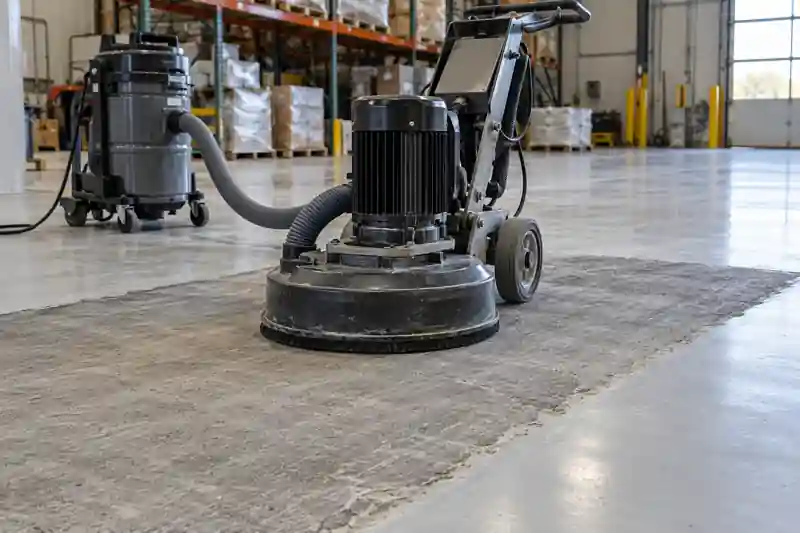
Moisture-related concerns also need evaluating against the proposed products and site conditions. A surface that looks dry does not, by itself, establish that it meets the coating system’s requirements. Ask how suitability will be assessed and what happens if the findings change the proposed work.
Planning Repairs Around Forklifts, Stock, and Loading Routes
A repair schedule needs to account for the entire work sequence. Preparation, patching, coating application, and curing may each affect access, and completing one stage does not necessarily make the area ready for equipment.
Before agreeing on dates, identify the routes that receiving, picking, and dispatch depend on. Then establish whether stock can move and whether another route can remain available while work proceeds. Phasing may be possible, but it depends on the building layout and whether work areas can be properly separated.
Consider a damaged crossing that connects several otherwise usable aisles. Its repair area may be small, yet closing it could interrupt a large part of the operation. Flagging that crossing during the assessment helps the contractor plan around its importance.
Find Out What Your Warehouse Floor Needs Before Recoating
A practical repair plan should identify what can stay, what needs removing, and how the work fits around warehouse operations. That gives you a clearer basis for choosing the scope and comparing proposals.
Request a warehouse floor repair quote with Epoxy Shine. Share your New Jersey location, affected floor area, equipment traffic, and available work windows so the discussion can focus on the damaged areas and the next steps for your building.
Frequently Asked Questions
What if we do not know which coating is already on the floor?
Old invoices, product names, specifications, or installation records can help identify it. If those records are unavailable, the existing finish needs evaluating before a compatible recoating approach can be selected. Appearance alone is not enough to identify the coating or establish that a new system will adhere.
Will repaired areas match the existing warehouse floor?
Localized repairs may differ in color, texture, or sheen. Matching the original color does not guarantee an invisible repair, particularly where the surrounding floor has aged or worn. If appearance is important, discuss a sample and the visual boundaries of the proposed work before proceeding.
Which photographs help a contractor assess warehouse floor damage?
Provide close views of the defect and wider photographs showing its position within the warehouse. For damaged joints, include the joint edges and adjoining concrete. Note where equipment crosses the area and whether previous repairs have failed. Photographs help the initial discussion, but repair depth, adhesion, and underlying conditions may still require an on-site assessment.